Senegal's SORAM Afrique raises $1.36m to expand its equipment business
SORAM Afrique, a Senegalese company that sells, repairs and refurbishes professional printing equipment, has raised $1.36 million from Saviu Ventures and its management team.
SORAM Afrique
SORAM Afrique, a Senegalese company that sells, repairs and refurbishes professional printing equipment, has raised $1.36 million from Saviu Ventures and its management team.
AI-generated summary. It can miss nuance — read the full story above for the complete picture.
SORAM Afrique, a Senegalese company that sells, repairs and refurbishes professional printing equipment, has raised $1.36 million from Saviu Ventures and its management team. The investment was made through Saviu's Saviu II fund and is the firm's first investment in climate tech.
SORAM supplies equipment from brands such as Konica Minolta, Kyocera and Canon. Its customers include private companies, government departments and schools. The company operates in Senegal, The Gambia and Guinea and plans to expand into more West African markets.
What SORAM sells
“A machine that is repaired and used for several more years does not need to be replaced as quickly.”
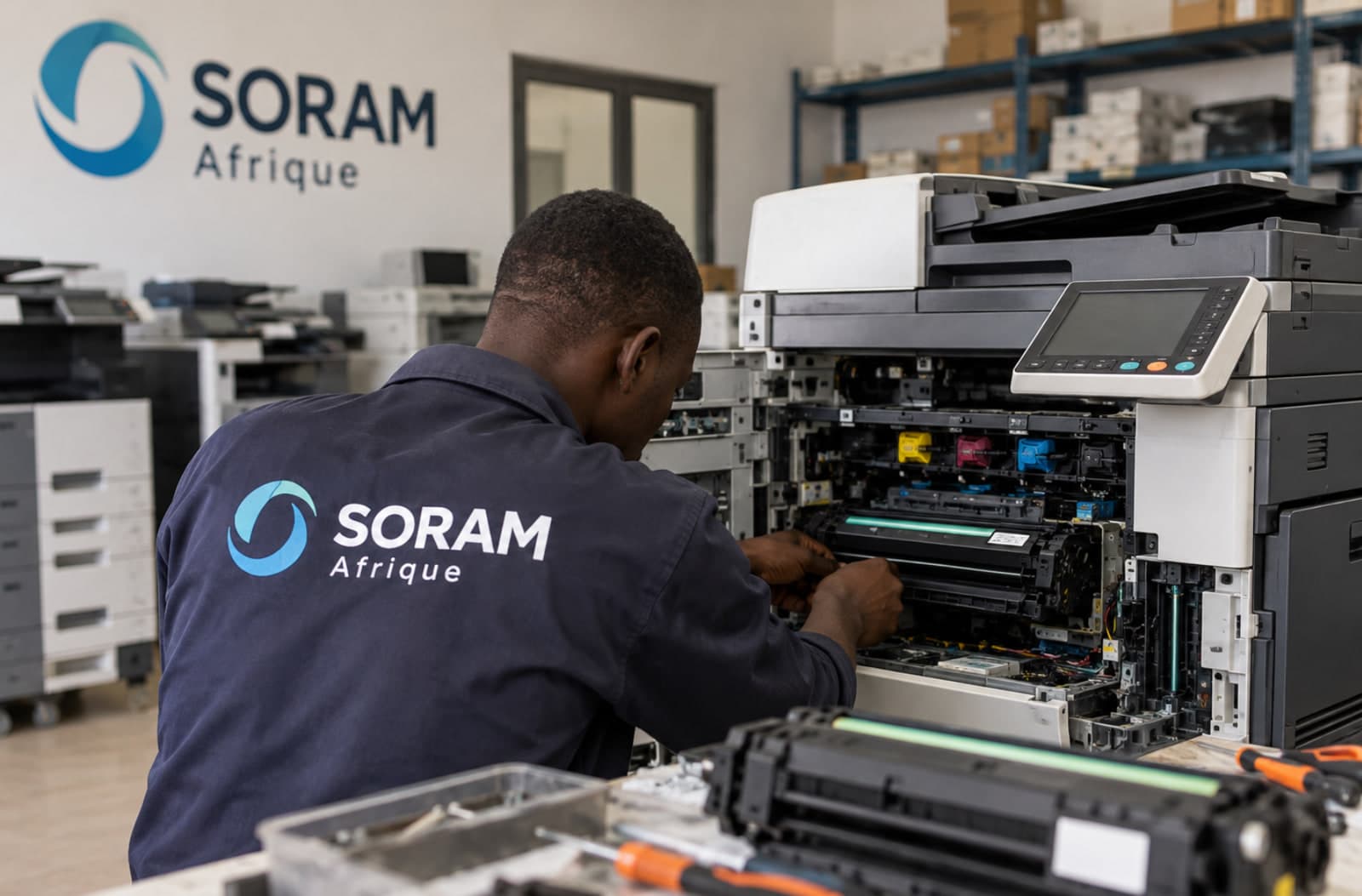
SORAM is not focused on selling the newest printing equipment. It also buys, repairs and refurbishes machines that can still be used. The company checks the equipment, carries out repairs and prepares it for another customer. It also installs the machines and provides maintenance and technical support. That gives customers an option between buying a new machine and continuing to use equipment that needs repairs. According to SORAM, it has worked with more than 1,000 customers and deployed around 4,000 machines across three countries.
Why the investment is classed as climate tech
Saviu's investment is based partly on SORAM's refurbishment business. A machine that is repaired and used for several more years does not need to be replaced as quickly. That can reduce the amount of equipment being discarded and the need to manufacture and transport replacement machines. For customers, there is a cost consideration as well.
Professional printing equipment can be expensive, particularly for smaller businesses and organisations that need the machines but cannot justify buying new equipment. A refurbished machine can give them access to the same type of equipment at a lower upfront cost.
Where the money is going
SORAM is part of OLU 360, a group that also includes IRIS Afrique and SIS. The group has around 60 employees, about FCFA 1.3 billion in revenue and more than 2,000 machines under management, according to information released about the investment. The new funding will support expansion across West Africa.
SORAM already has operations in Senegal, The Gambia and Guinea, with Côte d'Ivoire among the markets it plans to enter. Expanding this type of business requires more than finding customers. The company needs technicians, spare parts and equipment that can be moved and installed across different countries. Those costs will become more important as the company moves into new markets.
A business built around equipment
The investment is notable because SORAM's business is tied to physical equipment rather than software. Its customers need printers and related equipment to carry out their day to day work. SORAM makes money from selling and refurbishing the machines, as well as installation, maintenance and other services.
The $1.36 million gives the company more capital to take that business beyond its existing markets in West Africa. The investment also puts more money behind a type of business that extends the useful life of equipment rather than replacing it every time a newer model becomes available.