Orb Energy raises $2m as East African businesses buy more rooftop solar
A factory does not stop production because the electricity bill has gone up. A hotel still needs to run its kitchens and refrigeration. An agro-processor cannot simply switch off its equipment.
Orb Energy
A factory does not stop production because the electricity bill has gone up. A hotel still needs to run its kitchens and refrigeration. An agro processor cannot simply switch off its equipment.
AI-generated summary. It can miss nuance — read the full story above for the complete picture.
A factory does not stop production because the electricity bill has gone up. A hotel still needs to run its kitchens and refrigeration. An agro processor cannot simply switch off its equipment. That is the type of customer Orb Energy is selling rooftop solar to in East Africa.
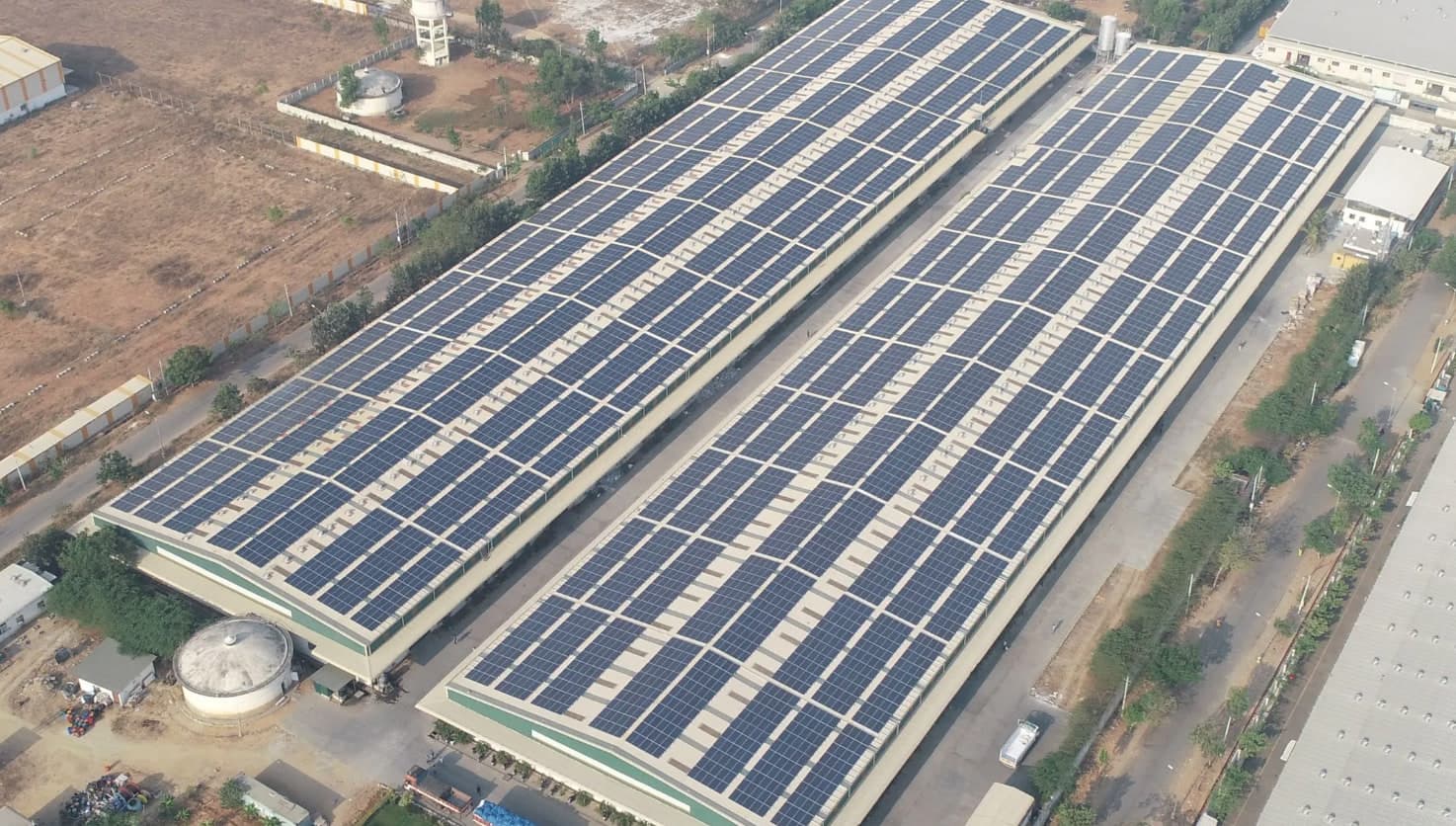
The company has raised $2 million from KawiSafi Ventures to grow its commercial and industrial solar business. Orb says it has installed almost 15MW of rooftop solar across more than 60 business sites. Its customers include manufacturers, agro-processors, healthcare companies and hotels. The new funding will help it take on more projects, starting with its business in Kenya and other East African markets.
The expensive part comes first
“For the customer, the calculation is fairly practical: what is the electricity bill today, and what will the solar system cost?”
Solar can cut a company's electricity bill, but there is a catch. Someone has to pay for the equipment first. A commercial installation can include hundreds or thousands of panels, inverters, wiring and installation work. For a small or medium-sized business, finding that money upfront can be difficult.
Orb offers financing alongside its solar systems, allowing customers to spread the cost instead of paying for everything at once. That changes the decision for a business owner. The company can compare the monthly cost of the solar system with what it is already spending on electricity. If the numbers work, the business can go ahead.
Who is buying?
Orb's customer base gives some indication of where rooftop solar is making sense. A manufacturer can use solar power during the working day when its equipment is running. An agro processor may have similar needs, particularly if it operates machinery or refrigeration.
Hotels have another reason to look at solar. Their electricity use does not stop when guests leave the rooms. Kitchens, water heating, cooling, lighting and other equipment continue to use power. Hospitals have an even more basic requirement: electricity has to be available.
The solar system therefore has to match the way each business uses power. A company that operates mainly during the day can make more direct use of rooftop solar than one whose biggest electricity demand comes at night.
Orb has to fund the projects too
There is another financing problem on the other side of the deal. Orb needs money to get projects moving before it starts collecting payments from customers. A typical project requires site assessments, system design, equipment, installation and testing.
The new $2 million investment from KawiSafi Ventures gives Orb more capital to develop that pipeline. The company also plans to expand its team and work with more financing partners. KawiSafi invests in African companies working in areas such as energy and climate-related infrastructure.
Kenya is the base
Orb was founded in India in 2006 and has its African headquarters in Nairobi. Kenya is its main base for the East African business. The company has already installed nearly 15MW for more than 60 businesses, so the latest investment is going into a business that already has paying customers and operating projects.
Getting more systems installed will depend on two things: finding businesses that can make the numbers work and finding ways to finance those installations. For the customer, the calculation is fairly practical. What is the electricity bill today? What will the solar system cost? How much power will it produce? And how long will it take to pay for itself? Those are the numbers Orb will have to make work as it takes the business into more East African companies.