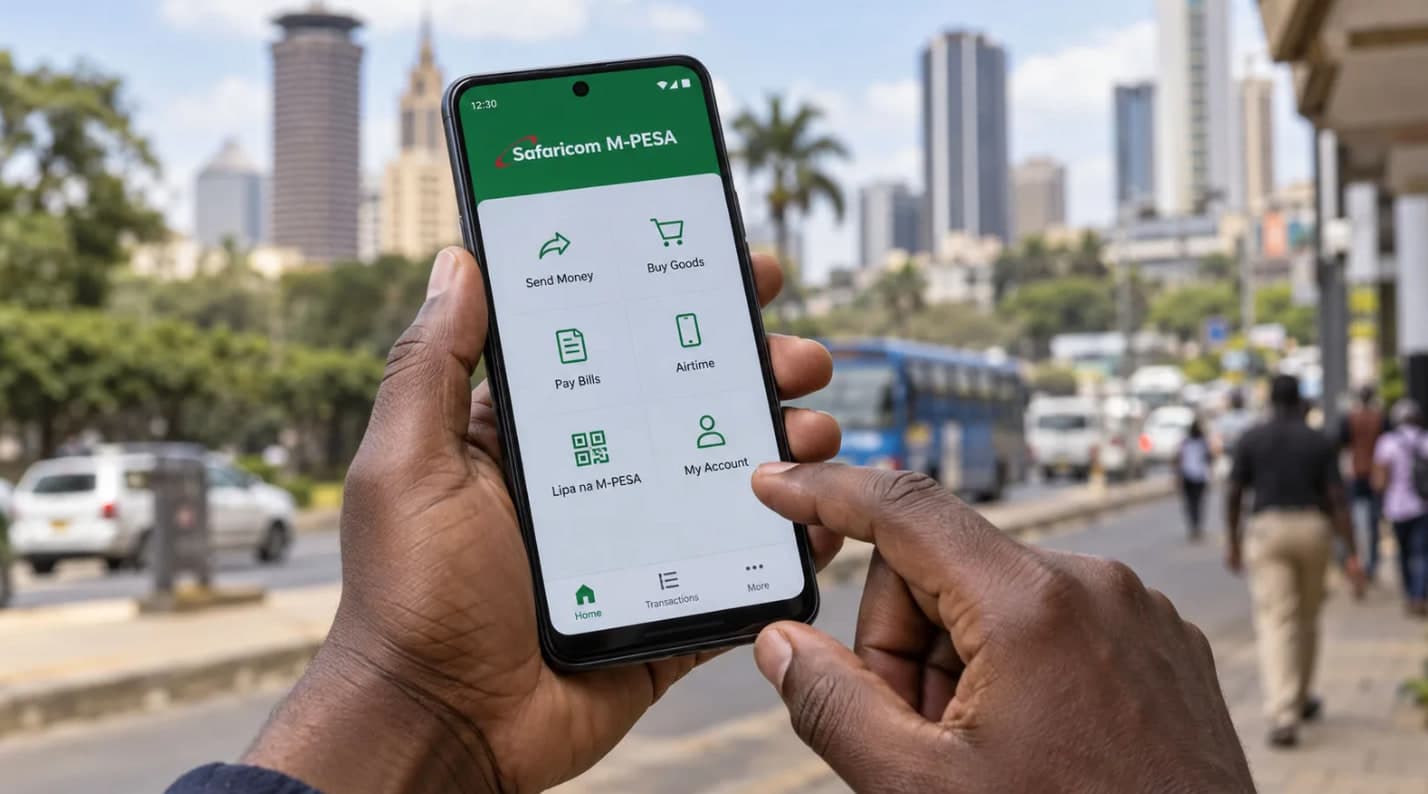
Tanzania’s mobile money boom is changing how small businesses get paid
For many Tanzanian businesses, mobile money is no longer just a way to send money to someone. A shop can take payment from a customer’s phone. A restaurant can collect money without handling cash. A trader can pay a supplier from the same account.
Tanzania’s mobile money
For many Tanzanian businesses, mobile money is no longer just a way to send money to someone. A shop can take payment from a customer’s phone. A restaurant can collect money without handling cash. A trader can pay a supplier from the same account.
AI-generated summary. It can miss nuance — read the full story above for the complete picture.
For many Tanzanian businesses, mobile money is no longer just a way to send money to someone. A shop can take payment from a customer’s phone. A restaurant can collect money without handling cash. A trader can pay a supplier from the same account. The scale of that activity is getting harder for banks to ignore.
The Bank of Tanzania recorded 2.79 million merchants accepting digital payments in 2025, compared with 1.33 million in 2024. Customers made 2.30 billion payments to businesses, worth Sh37.52 trillion, during the year. That helps explain why Tanzania's mobile-money market is getting attention from banks such as Absa. Absa executive Sitoyo Lopokoiyit recently described Tanzania as one of the world's most innovative mobile-money markets. He previously ran M-Pesa Africa and worked across several African markets, including Tanzania.
Shops are already using it
“Digital payments have reduced the need for cash, but they have not necessarily made payments simple.”
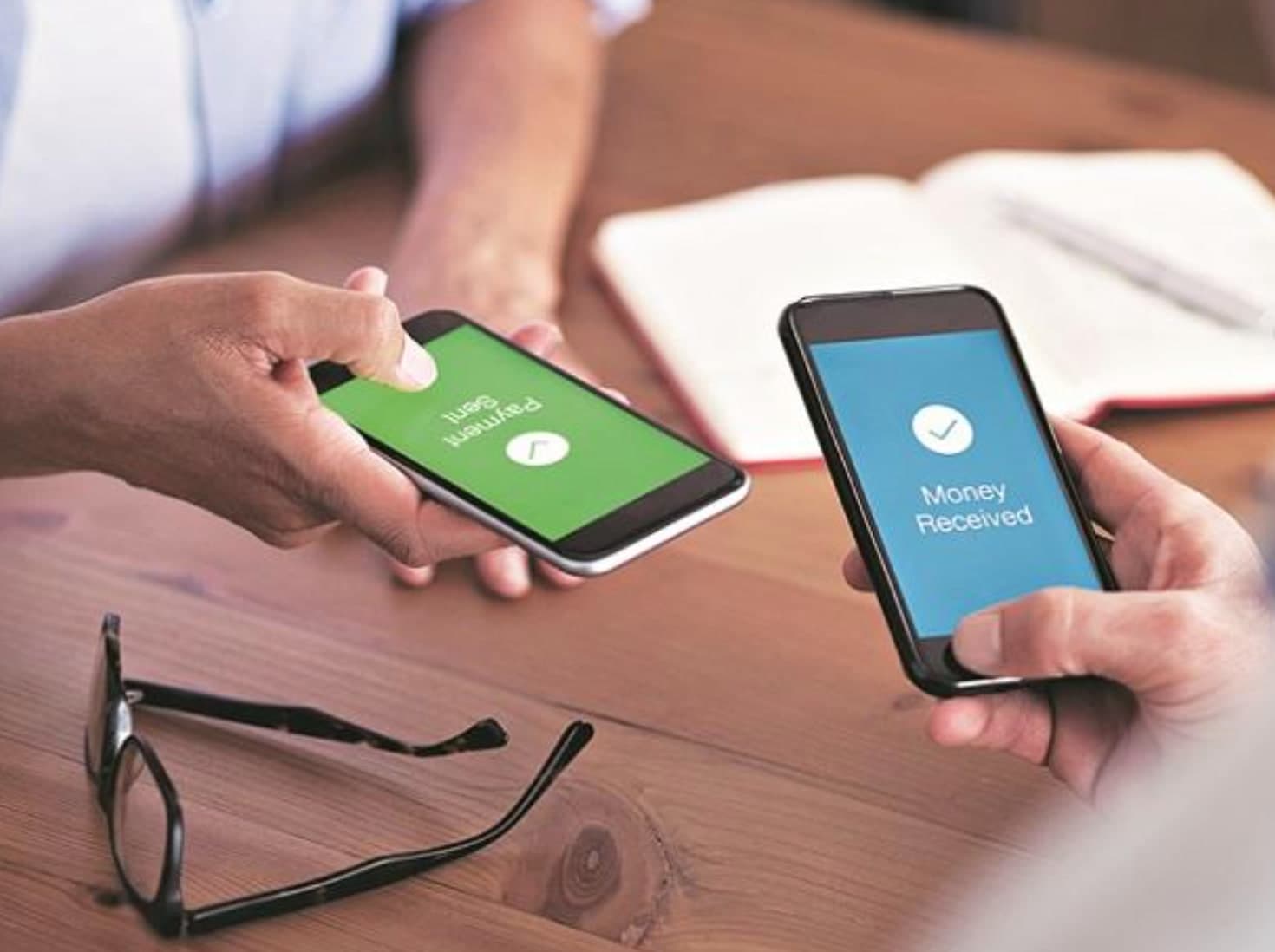
The change is not happening in some distant part of the financial system. It is happening at the till. A customer who does not have enough cash can pay from a mobile wallet. The merchant gets the money electronically and can use it for another transaction. For a small business, this also leaves a record of payments. That record can become useful when the owner needs to show how much money the business is making. But there is a catch.
One mobile-money account is not always enough
Customers use different networks. A merchant that wants to accept payments from more customers may therefore keep accounts with several providers. An IFC study found that around 60% of surveyed Tanzanian merchants had accounts with more than one mobile-money provider.
Fees were one of the reasons. For the business owner, this means another job to deal with. There are different accounts to check, different balances to reconcile and different payment systems to understand. Digital payments have reduced the need for cash, but they have not necessarily made payments simple.
The transaction history matters
There is another reason banks are watching the growth. A business receiving mobile money payments is leaving behind a trail of transactions. For a small trader with little formal financial paperwork, that history can provide information about the business. The Bank of Tanzania has pointed to digital credit, savings, investment products and credit scoring as areas where mobile payments could support more financial services.
That does not mean every business will suddenly qualify for a loan. A payment record is only one part of assessing a borrower. But it gives financial companies more information than they had when most transactions happened in cash.
This is where Absa comes in
Lopokoiyit's experience with M-Pesa gives Absa someone who has spent years working with mobile-money businesses and customers. He joined Absa's Personal and Private Banking business in April 2026. The bank is now looking at a country where mobile money is already deeply used by consumers and businesses.
That is different from trying to convince people to start using digital payments. The customers are already there. The businesses are already taking payments. The bigger question for banks is what else those businesses will need.
Cross-border payments are still harder
A Tanzanian shop taking payment from a local customer is relatively straightforward. A Tanzanian company getting paid by a customer in Kenya is different. There may be another currency, another payment system, foreign-exchange costs and different financial rules. That remains a problem for businesses trading across African borders. Tanzania has already shown that people and businesses will use mobile money when it works for everyday payments. The challenge now is making those systems work just as well when money needs to move beyond the local market.