South African factories are getting more orders, but costs are still rising
South African manufacturing had a better September, but factories are still watching their costs closely.
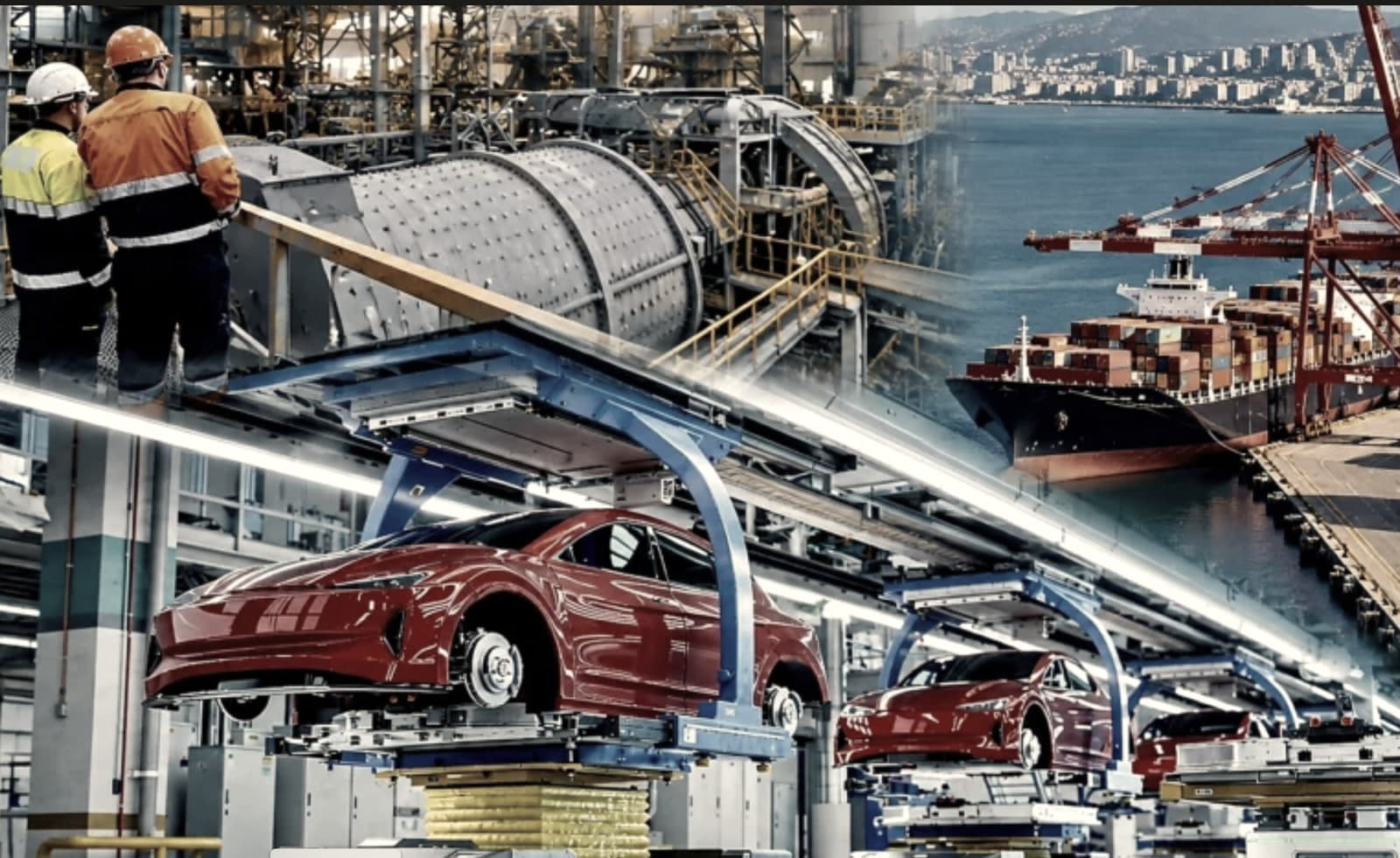
South African Factories
South African manufacturing had a better September, but factories are still watching their costs closely. The Absa Purchasing Managers’ Index rose to 50.7 in September, from 45.8 in August. The new sales orders index also improved, moving from 40.3 to 50.8.
AI-generated summary. It can miss nuance — read the full story above for the complete picture.
South African manufacturing had a better September, but factories are still watching their costs closely. The Absa Purchasing Managers’ Index rose to 50.7 in September, from 45.8 in August. The new sales orders index also improved, moving from 40.3 to 50.8. The 50 mark matters because it separates an increase in activity from a decline. September was the first month since May that the main index moved back above it.
But factories are not simply filling up their order books and adding workers. The employment index went backwards, while manufacturers continued to report pressure from input costs and problems getting goods through Durban port.
More orders, more spending
“A factory can be busy without being particularly profitable.”
An increase in orders sounds straightforward until the factory has to produce them. More orders mean more steel, chemicals, packaging, components and other materials. They mean more electricity and more time on the machines. The money often has to go out before the customer pays. That can put pressure on a manufacturer that is already operating with limited cash. A business can also find itself in an awkward position if the price agreed with a customer no longer covers the cost of producing the goods.
Durban remains a problem
Manufacturers that bring materials through Durban have another issue to deal with. The September PMI survey recorded continued disruption linked to the port, including shipping delays. If a factory is waiting for imported material, production can wait with it. It may mean moving a production run to another date, paying extra storage or transport costs, or explaining to a customer why an order is late. Those costs do not disappear because the factory has more orders.
Hiring has not followed the orders
Manufacturers also appear reluctant to add permanent staff. The employment index fell in September despite the rise in new orders. That is understandable for a business that does not know whether September's improvement will continue. A factory can run overtime, rearrange shifts or use existing staff before taking on another permanent employee. Hiring becomes easier to justify when the order book stays full for several months.
The price problem
Manufacturers have another decision to make when their costs rise. They can absorb the increase. They can try to find cheaper suppliers. Or they can ask customers to pay more. None of those options is particularly attractive. A supplier working on a fixed price contract may have no choice but to absorb some of the increase. Another business may have enough bargaining power to pass some of it on. The result is that two factories can have the same increase in orders and see very different results in their profits.
September does not tell the whole story
The PMI numbers show that manufacturing activity improved in September. They also show why factory owners are likely to remain cautious. There are more orders coming in, but there are still questions around costs, employment and getting materials through the ports. A factory can be busy without being particularly profitable. That is the part of the September numbers that matters when the invoices start arriving.