Omoda and Jaecoo’s expansion could open doors for South African SMEs
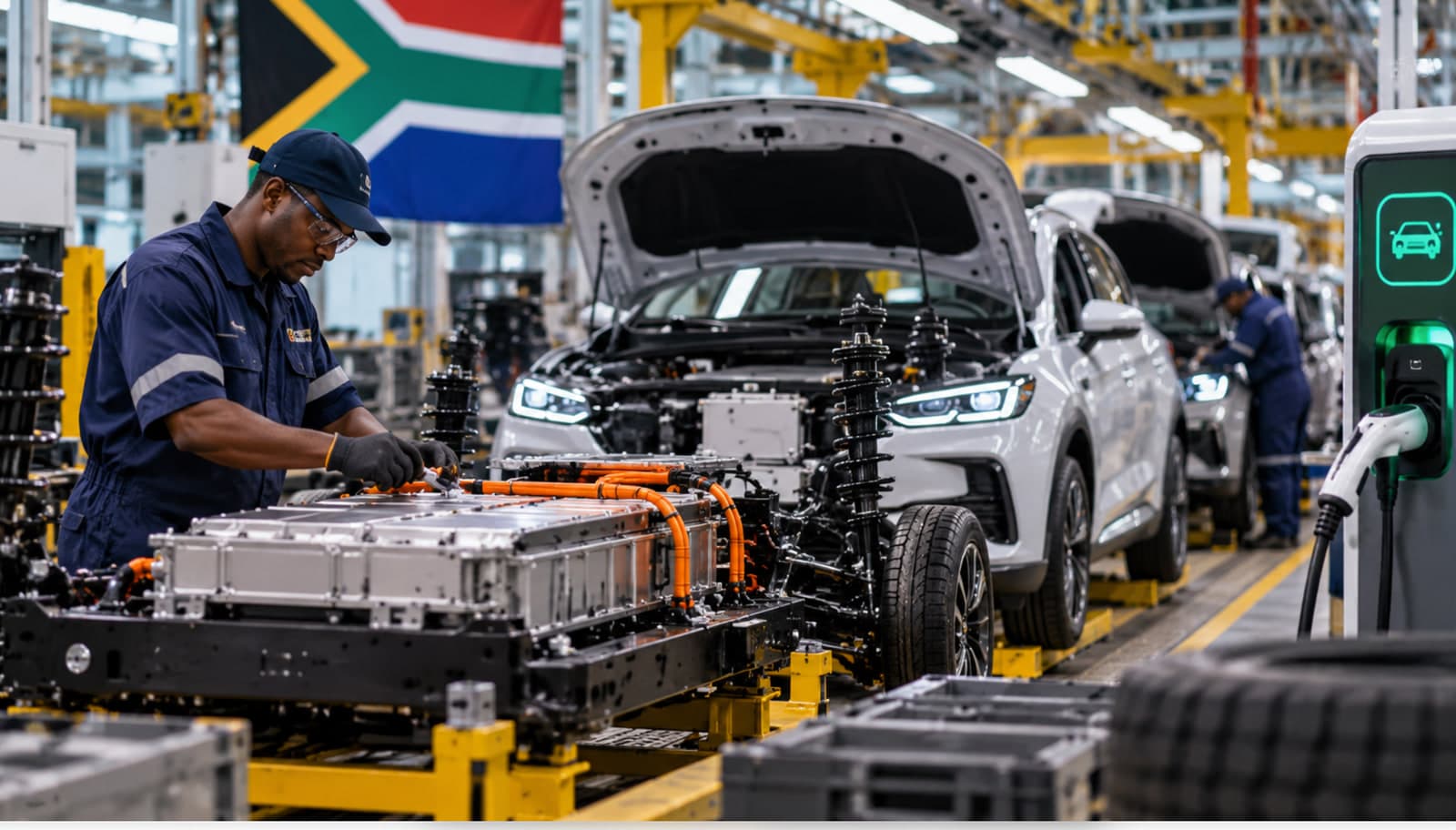
Omoda and Jaecoo have sold nearly 32,000 vehicles in South Africa. Now, their parent company, Chery, is preparing to build cars at its Rosslyn factory in Pretoria, raising a question for local businesses: how much of that production will create work for South African suppliers?

Omoda and Jaecoo
Omoda and Jaecoo have sold nearly 32,000 vehicles in South Africa. Now, their parent company, Chery, is preparing to build cars at its Rosslyn factory in Pretoria, raising a question for local businesses: how much of that production will create work for South African suppliers?
AI-generated summary. It can miss nuance — read the full story above for the complete picture.
Omoda and Jaecoo have sold nearly 32,000 vehicles in South Africa. Now, their parent company, Chery, is preparing to build cars at its Rosslyn factory in Pretoria, raising a question for local businesses: how much of that production will create work for South African suppliers? The two brands reached 31,990 cumulative sales by the end of September 2026. They sold 1,503 vehicles that month, their highest monthly total to date. Sales for the first nine months of the year reached 12,630, already exceeding their full year 2025 total of 12,592.
Chery plans to start production at the former Nissan plant in the second half of 2027, beginning with the Omoda C4 hybrid. Petrol and fully electric versions are also planned for the South African market. The Jaecoo J5 is among the other models identified for possible local production. For small manufacturers and service businesses, the factory could mean new contracts. But those opportunities will depend on what Chery buys locally, which suppliers qualify and how quickly they can meet the company's requirements.
Where SMEs could find work
“Assembling cars in South Africa is one thing; giving local suppliers a meaningful share of the work is another.”
Vehicle manufacturing depends on more than the factory that assembles the car. Manufacturers need components, packaging, transport, equipment maintenance, cleaning, security and other services to keep production running. Some of these activities may offer entry points for smaller businesses, particularly those already working in manufacturing, industrial maintenance, logistics or business services. Component manufacturing could provide a larger opportunity, although it generally requires more specialised equipment, quality controls and production capacity.
For example, a local business that supplies metal components, plastic mouldings or industrial packaging could explore whether its products match the factory's requirements. A transport company could also look at moving parts between suppliers and the assembly plant. These are potential opportunities, not confirmed contracts. Chery has not published a full list of suppliers it intends to appoint or detailed how much of its procurement will go to SMEs.
Local parts will be the important measure
Chery has said its Rosslyn plans include developing a local supplier base and increasing the proportion of components sourced in South Africa. That commitment matters because assembling a vehicle locally does not mean all its parts are made here. If most components continue to arrive from overseas, local businesses will receive a smaller share of the work.
South African suppliers will also have to compete on price, quality, delivery times and the ability to supply parts consistently. A small business may have the right product but still need new machinery, working capital or quality certification before it can supply an automotive manufacturer. That can be difficult for an SME. A supplier may need to spend money on materials and production before receiving payment for a completed order. Businesses considering this market will need to understand the buyer's payment terms and how much cash they need to fulfil a contract.
Rosslyn already has a supplier network
The factory is in an established automotive area, where manufacturers and component suppliers already operate. The Automotive Industry Development Centre (AIDC) also runs supplier-development and skills programmes in Gauteng, including support aimed at helping smaller businesses enter automotive supply chains.
For SMEs hoping to win work, contacting the manufacturer is only one step. They will need to identify the parts or services being procured, understand the supplier requirements and show that they can deliver at the required standard. Businesses that cannot supply directly to Chery may be able to work with larger component manufacturers that already serve vehicle assembly plants. Becoming a subcontractor can provide experience, although the commercial terms and margins will depend on the contract.
Chery has not yet disclosed how many South African SMEs it expects to use at Rosslyn. It is therefore too early to estimate how many small businesses will benefit from the project.
Jobs will depend on what gets made locally
Chery has previously outlined plans to retain the plant's existing workforce and create additional direct and indirect jobs as the operation develops. These are company targets, not a count of new jobs already created.
The effect on employment will depend partly on production volumes and how much work is done by local suppliers. A factory that buys more components locally can support jobs beyond its own workforce, including at smaller manufacturing firms and logistics companies. For SMEs, the timing is important. Production is not expected to start until 2027, so businesses should not treat the proposed factory as guaranteed revenue. They can use the time before launch to check their capacity, strengthen their finances and find out what qualifications or standards potential buyers require.
Chery's sales figures show that Omoda and Jaecoo have built a customer base in South Africa. The next question is whether the move into manufacturing will give local businesses a meaningful share of the work.
For SMEs around Rosslyn and elsewhere in Gauteng, the opportunity will come down to the contracts that become available, the requirements attached to them and whether smaller suppliers can afford to meet those requirements.