Africa's growing EV market is going to need a new generation of mechanics
Buying an electric car is one thing. Finding someone to fix it five years later is another. That is a question South Africa's motor industry will have to deal with as more electric and hybrid vehicles make their way onto the roads.
Africa's growing EV
Buying an electric car is one thing. Finding someone to fix it five years later is another. That is a question South Africa's motor industry will have to deal with as more electric and hybrid vehicles make their way onto the roads.
AI-generated summary. It can miss nuance — read the full story above for the complete picture.
Buying an electric car is one thing. Finding someone to fix it five years later is another. That is a question South Africa's motor industry will have to deal with as more electric and hybrid vehicles make their way onto the roads. The number of new energy vehicles is still small compared with petrol and diesel cars, but the market is growing. And every new vehicle eventually needs a service, a repair or a diagnostic check. That work cannot all stay with the manufacturer.
The old workshop setup won't cover everything
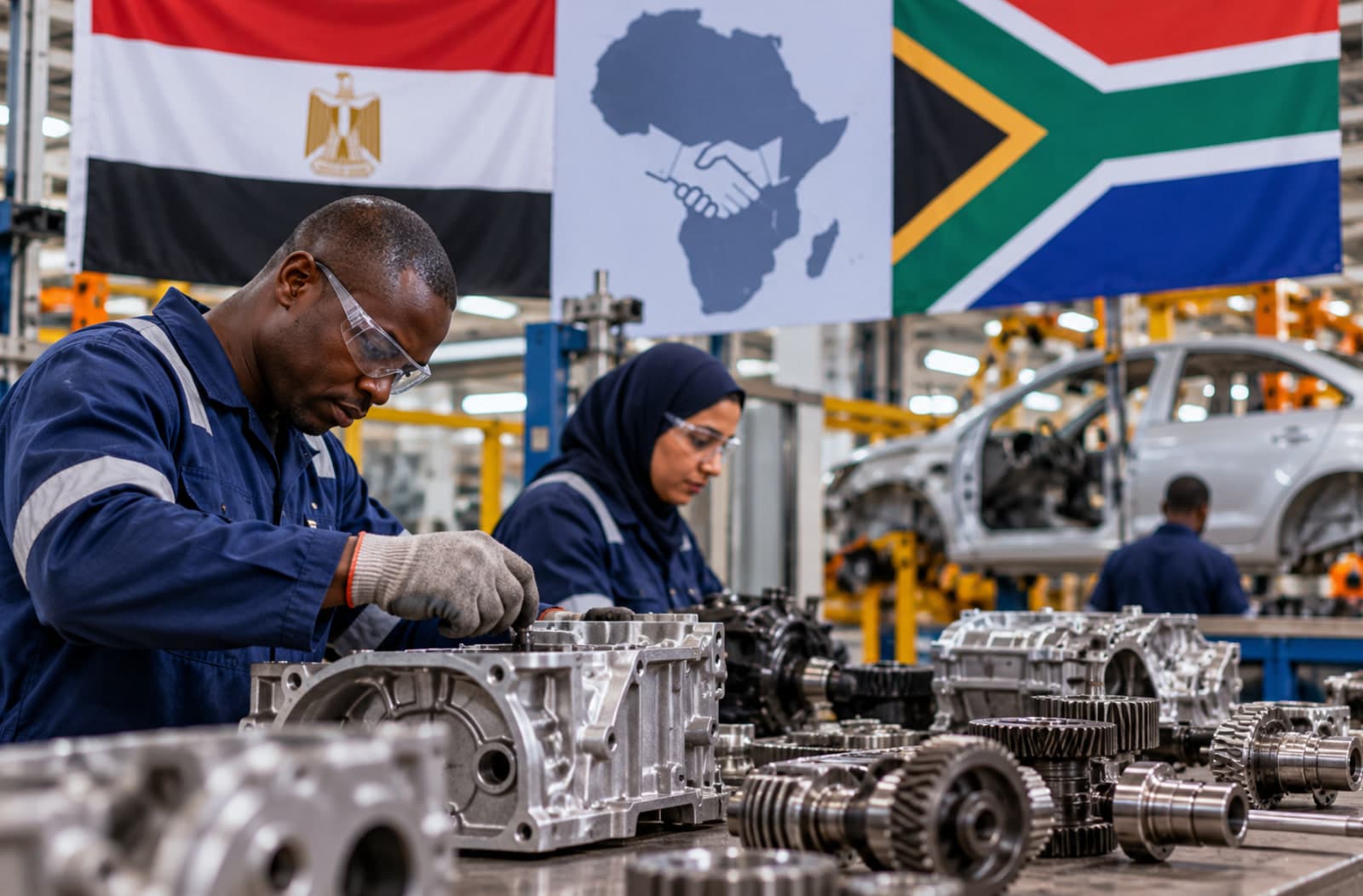
A conventional workshop is built around the cars most South Africans drive today. There are mechanics who know how to replace clutches, repair engines, service transmissions and work on fuel systems. There is equipment for those jobs and a well-established parts market around them. An electric vehicle changes that. There is no engine oil to change and no conventional gearbox to repair. Instead, the technician may be dealing with a battery pack, electric motor, inverter, charging system and high-voltage wiring.
“Buying an electric car is one thing. Finding someone to fix it five years later is another.”
Getting something wrong around a high-voltage system is also not the same as getting a conventional mechanical repair wrong. The technician needs to know what they are doing before the vehicle even goes onto the workshop floor.
This puts pressure on independent workshops
Large manufacturers have their own technicians and training programmes. Smaller workshops don't always have that luxury. An independent workshop owner has to decide whether it is worth paying for specialist training and equipment when the number of EVs coming through the door is still relatively low. For some businesses, it probably isn't worth it yet. But that calculation changes as more EVs enter the used-car market.
A customer buying a five-year-old electric vehicle is less likely to have a manufacturer warranty covering everything. They will start looking for independent repairers, just as owners of petrol and diesel cars do. That is when the skills gap could become more noticeable.
A new market around the workshop
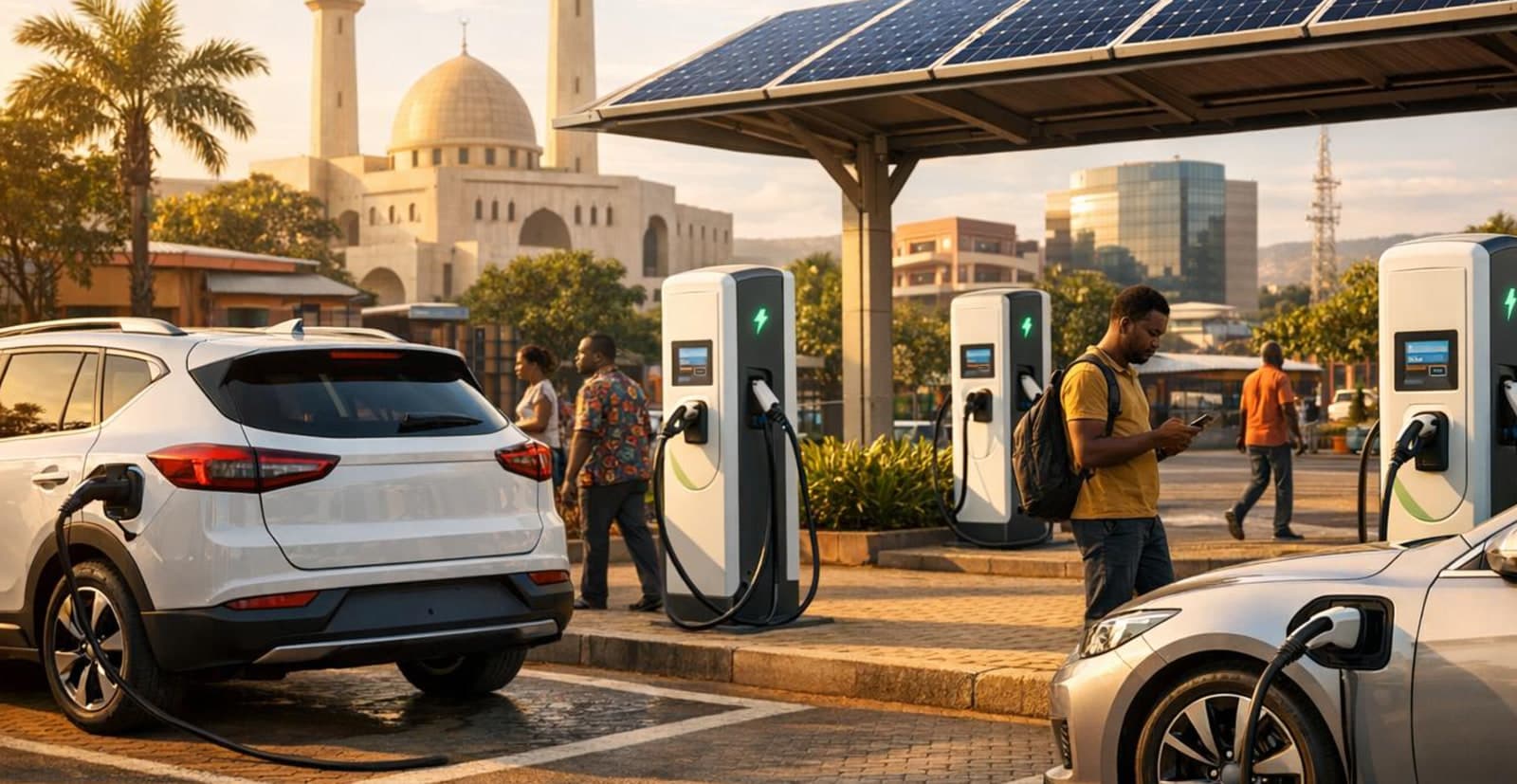
The work will not only go to mechanics. There will be demand for businesses that can test batteries, supply diagnostic equipment, install charging points and train technicians. An existing electrical contractor could add EV charger installations to its business. A workshop equipment supplier could start selling high-voltage safety gear and EV diagnostic tools.
A specialist technician could set up a business testing batteries for dealers, workshops or people buying used EVs. For small automotive businesses, these are more realistic opportunities than trying to compete with the manufacturers building the cars.
Training is becoming a business
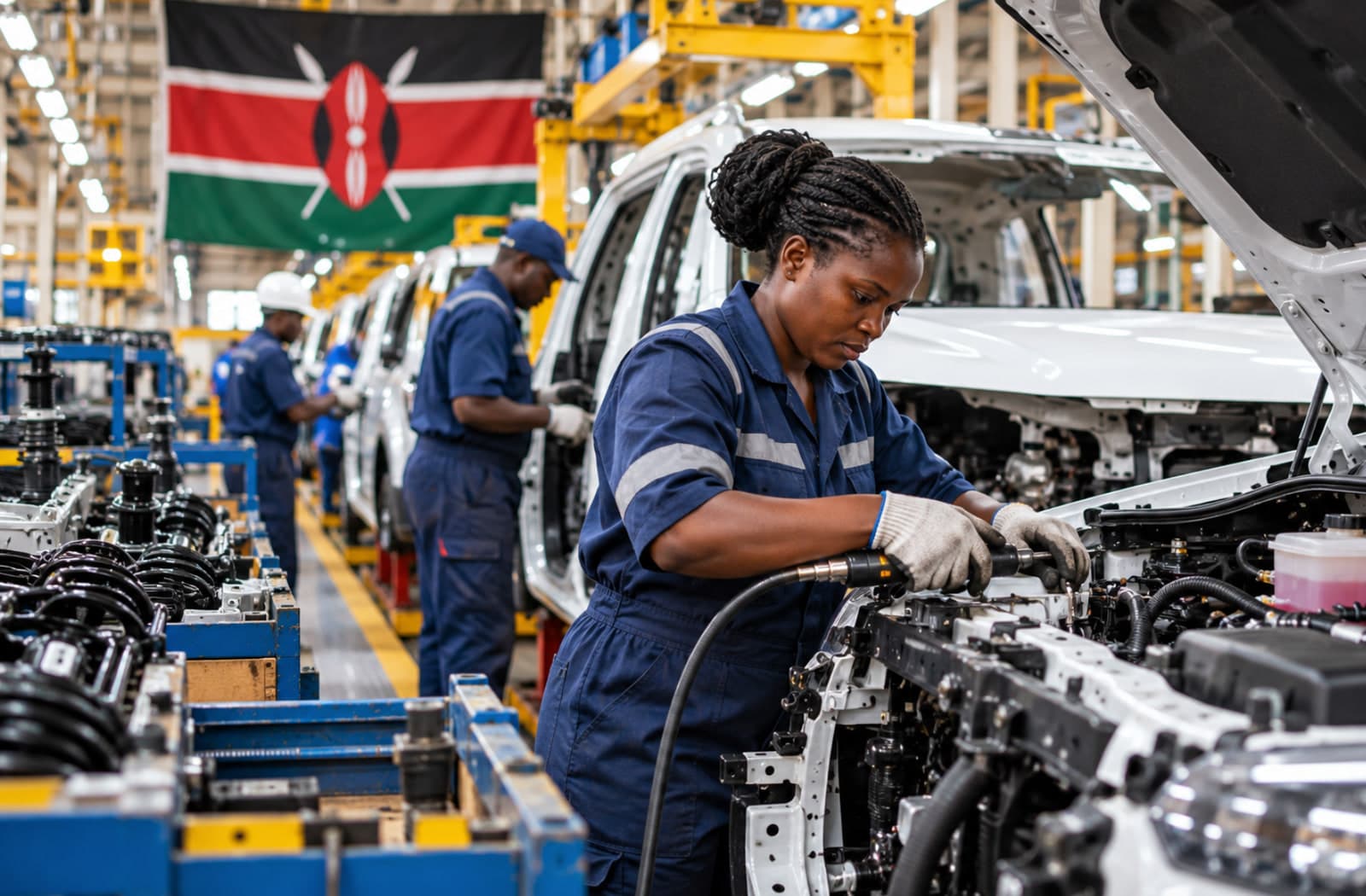
The Retail Motor Industry Organisation has been calling for more training around electromobility and high-voltage systems. That is not surprising. The industry already has a large workforce of mechanics and technicians.
Training some of them to work on EVs is likely to be more practical than waiting for an entirely new workforce to replace them. Training companies and technical colleges therefore have a market to serve. A mechanic who wants to keep working for another 10 or 20 years may have a good reason to learn how these vehicles work.
The used-car market could be the real test
New EV sales get most of the attention because the launches are easy to see. The more interesting point for workshops may come later. Once today's new EVs become used cars, buyers will want cheaper servicing and repairs. They will also want someone to tell them whether a battery is still healthy before they buy the vehicle.
That could create a market for independent EV specialists. It is also where automotive SMEs could find out whether they prepared early enough. South Africa is not going to wake up one morning with an entirely electric vehicle fleet. Petrol and diesel cars will remain on the road for many years. But the cars arriving at workshops are slowly changing. The workshops that can work on both types of vehicles will have one less reason to turn a customer away.