Chinese Car Owners Face a Resale Problem in South Africa
The price looked right when the car was new. A Chinese SUV offered plenty of features for the money, and the monthly instalment fitted the buyer's budget.
Chinese Cars
The price looked right when the car was new. A Chinese SUV offered plenty of features for the money, and the monthly instalment fitted the buyer's budget.
AI-generated summary. It can miss nuance — read the full story above for the complete picture.
The price looked right when the car was new. A Chinese SUV offered plenty of features for the money, and the monthly instalment fitted the buyer's budget. Three years later, the owner wants to trade it in. The dealer's offer comes in below the amount still owed to the bank. Now the owner has a problem. Selling the car will not clear the debt, and buying another one means finding money to cover the difference.
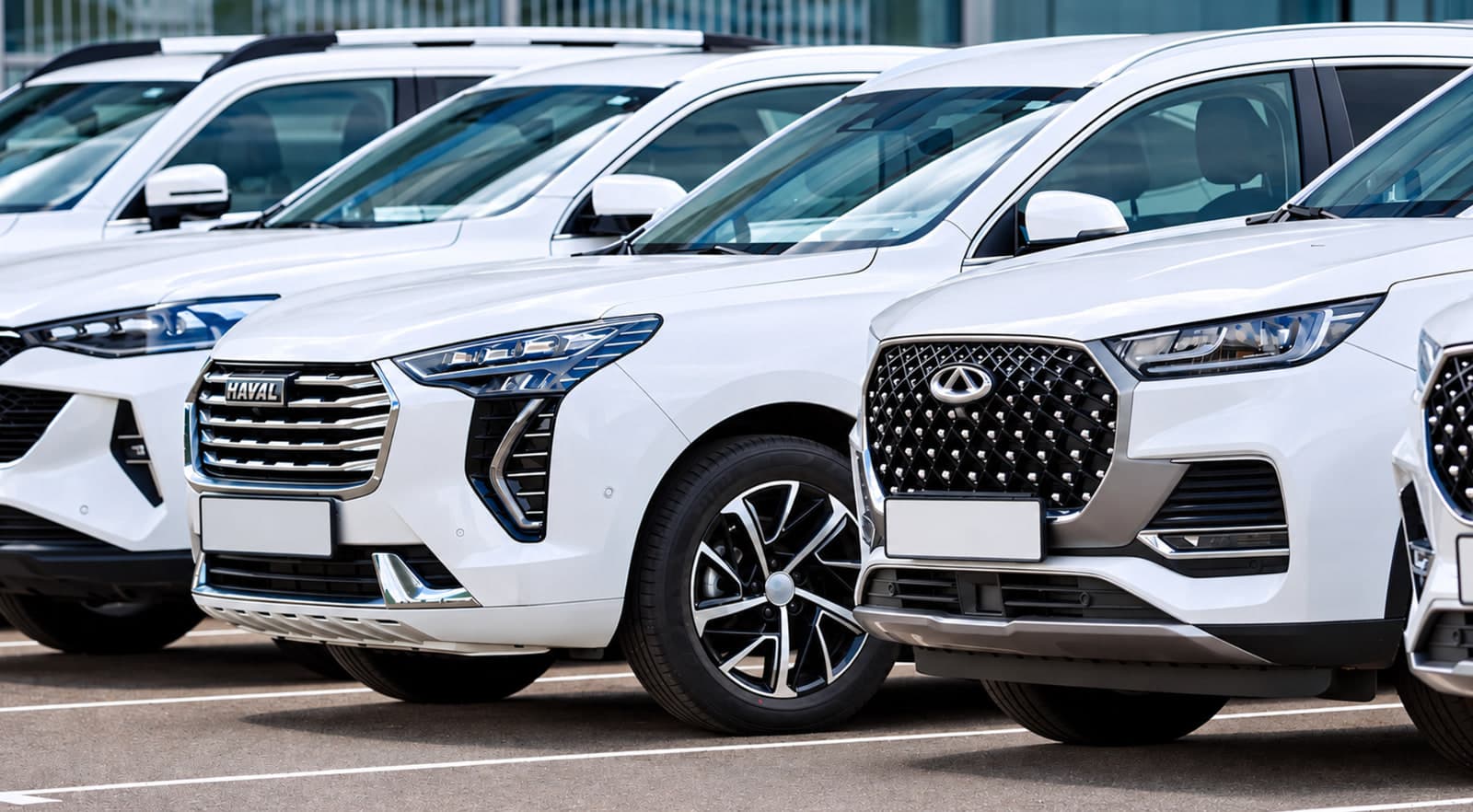
This is the difficulty facing some South African motorists as Chinese vehicle brands take a larger share of the new car market. The issue is not simply whether these cars are good or bad. It is what happens to their value after they leave the showroom.
Combined Motor Holdings (CMH), a major vehicle retail group, raised concerns about resale values in its interim results for the six months ended 31 August 2026. The group reported that Chinese brands had increased their share of South Africa's new vehicle sales from 14.8% to 20%. With more manufacturers competing for buyers, working out what individual models will be worth a few years later has become harder.
“The owner still needs to settle the outstanding finance, even after handing over the car.”
The trade-in offer can leave owners out of pocket
Consider someone who owes R250,000 on a vehicle but receives a trade-in offer of R200,000. The R50,000 gap does not disappear when the car is handed over. The owner still needs to settle the outstanding finance, subject to the final settlement amount and any other costs. For a household already paying a monthly instalment, finding that money can be difficult. The owner may have to postpone the next purchase and keep driving the existing car.
CMH said some motorists were doing exactly that because the offers they received were not enough to cover their outstanding finance. The experience will differ from one vehicle to another. Mileage, condition, model popularity and demand all influence resale prices. But buyers who assumed they could trade in their cars after a few years may find that the numbers no longer work in their favour.
New models are putting used-car prices under pressure
Chinese manufacturers have built their presence in South Africa partly through competitive pricing and generous specifications. That has made new cars more accessible to buyers who might previously have considered a used vehicle.
It also creates a difficult comparison for someone selling a three year old car. If a new model costs only a little more than the used one, a buyer may prefer the new vehicle, particularly when a full warranty is included. Dealers have to consider that competition when valuing trade-ins. They need to offer a price that allows them to resell the vehicle, while the owner needs enough money to settle the finance. CMH's own results reflect the pressure in its used-car business. The group reported that used-vehicle sales fell by 10% during the six-month period, while new-vehicle sales rose by 11.2%. These figures relate to CMH's business, not the entire South African market.
The cost of keeping the car matters too
A low trade-in offer does not automatically mean an owner should sell. If the vehicle is reliable and the cost of maintaining it is reasonable, keeping it for another two or three years could be less expensive than taking on fresh debt. Parts and servicing will form part of that decision. As more Chinese vehicles age, owners will need workshops that know the models and suppliers that can source the correct components.
CMH said its alternative-parts supplier, MPD, which focuses on Chinese and Asian vehicle brands, benefited from increased aftermarket demand. That creates business for parts suppliers and repair shops. For motorists, the practical questions are whether parts are available, how much repairs cost and how long the car might be off the road.
Buyers need to look beyond the monthly instalment
Someone shopping for a car on finance should consider what happens when they want to sell it, not only whether they can afford the payments today. A balloon payment can make the calculation more complicated because a sizeable amount remains due at the end of the agreement. Buyers should understand their expected settlement balance and consider whether a future trade-in could leave them needing extra cash. It is also worth comparing the resale prospects of specific models, warranty cover and the availability of parts.
Chinese brands should not all be treated alike, just as established manufacturers do not all hold their value equally well. The growth of Chinese vehicles has given South Africans more choice and brought new competition into the market. But for an owner who needs to change cars before the finance is settled, the original purchase price is only part of the calculation. The question is whether the car will be worth enough when the time comes to sell it.