Egyptian Startup Tackles the Problem of Buyers Stuck in Property Payment Plans
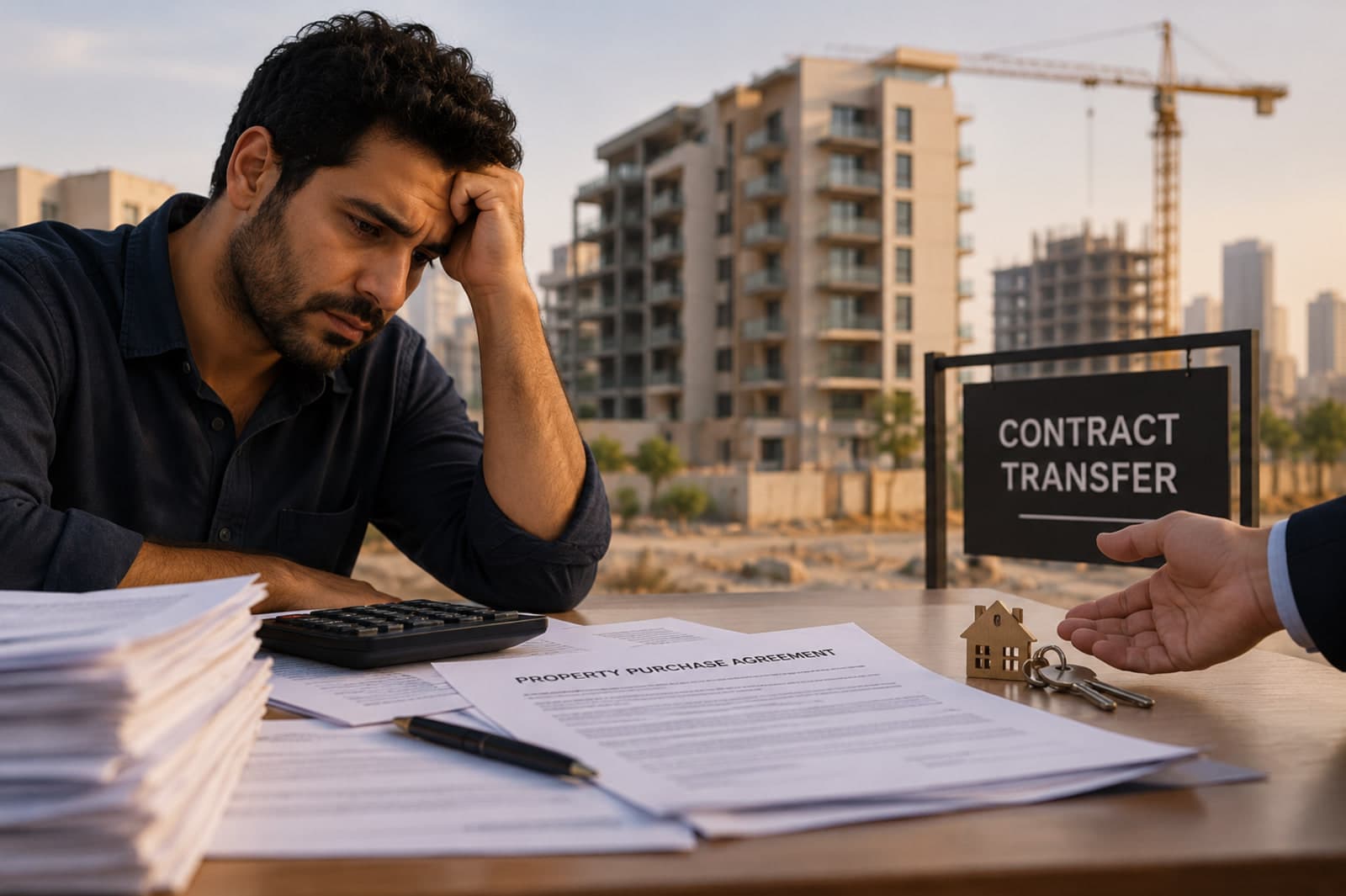
A property buyer who runs into financial trouble has a difficult decision to make. Keep paying for a home that is becoming unaffordable, or try to get out of the deal without losing too much of the money already paid
Egyptian Startup
A property buyer who runs into financial trouble has a difficult decision to make. Keep paying for a home that is becoming unaffordable, or try to get out of the deal without losing too much of the money already paid.
AI-generated summary. It can miss nuance — read the full story above for the complete picture.
A property buyer who runs into financial trouble has a difficult decision to make. Keep paying for a home that is becoming unaffordable, or try to get out of the deal without losing too much of the money already paid. In Egypt, startup Aqar Exit is trying to make a third option possible: find another buyer to take over the existing purchase contract.
The company, founded by Mahmoud Ammar in July 2026, connects property owners who want to leave their instalment agreements with buyers willing to take on the remaining payments. Aqar Exit recently raised $200,000 from Ayman Mamdouh Abbas, executive chairman of Intro Holding Group. The investment was made in exchange for a 10% stake, putting the startup's reported valuation at $2 million.
The funding brings attention to a problem that can arise when people buy property through long-term payment plans. A buyer may be able to afford the instalments when signing the contract, but a change in income or personal circumstances can make the commitment harder to maintain.
“The fact that a contract is available for transfer does not automatically make it a good deal.”
Getting out of a property deal
Cancelling a property purchase is not always straightforward. The original agreement may set out penalties, deductions or conditions for refunds. Buyers may also have to wait before receiving any money back. Aqar Exit offers to help sellers find someone prepared to take over their contract instead. The seller submits the purchase agreement and proof of payments. The platform reviews the documents, works out the outstanding balance and presents the opportunity to potential buyers.
Anyone interested can assess the terms and decide whether to make an offer. If the seller accepts, the transfer must still follow the developer's procedures and receive the necessary approval. The arrangement could suit someone who wants to leave a purchase without going through the cancellation process. It may also appeal to a buyer looking for a property under an existing payment agreement.
Neither outcome is guaranteed. A seller's ability to recover money depends on the offer they receive and the terms of the contract. The new buyer must also be comfortable with the outstanding balance and future instalments.
Who pays?
Aqar Exit says sellers can use the platform without paying a commission. Buyers pay a fee of 1.25% of the contract value if the transfer is completed. That fee is only one part of the calculation. The parties need to establish whether the developer charges its own transfer fee, whether any instalments are overdue and who will settle outstanding amounts.
A seller should compare the offer with the money already paid and the likely cost of cancelling the agreement. Accepting a lower offer may be preferable to continuing with payments they cannot afford, but that depends on the individual circumstances. The buyer taking over the contract has a different calculation. They need to know how much remains to be paid, when instalments fall due and whether the property will be delivered according to the original agreement. The fact that a contract is available for transfer does not automatically make it a good deal.
Funding is only part of the story
African-Startups reported that Aqar Exit had recorded $181 million in listings classified as closed across 638 transactions. The company has also reported thousands of contract-assignment files and tens of thousands of purchase requests. There is an important distinction in those figures. Aqar Exit counts listings removed from its platform as closed, so the $181 million figure should not be treated as the confirmed value of completed property transfers or revenue earned by the company.
The number of completed transfers would offer a clearer picture of how well the service is working. So would information on how long transfers take and how much sellers recover. Aqar Exit plans to seek a further $5 million in funding in 2027 and has identified the Gulf as a target for expansion. Moving into other markets will require the company to account for different property contracts, developer policies and transfer procedures. A process that works in one market may not translate directly to another.
The question for buyers
Aqar Exit is built around a specific situation: someone has committed to a property but no longer wants, or cannot afford, to continue paying for it. Finding a new buyer could help that person move on, but the outcome depends on the contract, the price offered and the developer's approval. Some sellers may recover a useful portion of their payments; others may find that the available offers do not meet their expectations.
Before using a service like this, buyers should read their original agreement and ask the developer what it would take to transfer or cancel the purchase. They should also calculate the fees and remaining payments rather than relying on the advertised price alone. For Aqar Exit, the real test will be whether it can help buyers and sellers complete transfers on terms both sides can accept. The funding gives the startup money to develop the business. It does not, by itself, show how much money distressed buyers are recovering.