Tanzania’s NMB Bank Integrates Six Startups After 300 Trials
Tanzania’s NMB Bank plans to integrate 30 technology startups into its banking systems by 2030 after testing more than 300 innovations since 2021, as the country steps up efforts to turn startup ideas into commercially viable businesses.
NMB
Tanzania’s NMB Bank plans to integrate 30 technology startups into its banking systems by 2030 after testing more than 300 innovations since 2021, as the country steps up efforts to turn startup ideas into commercially viable businesses.
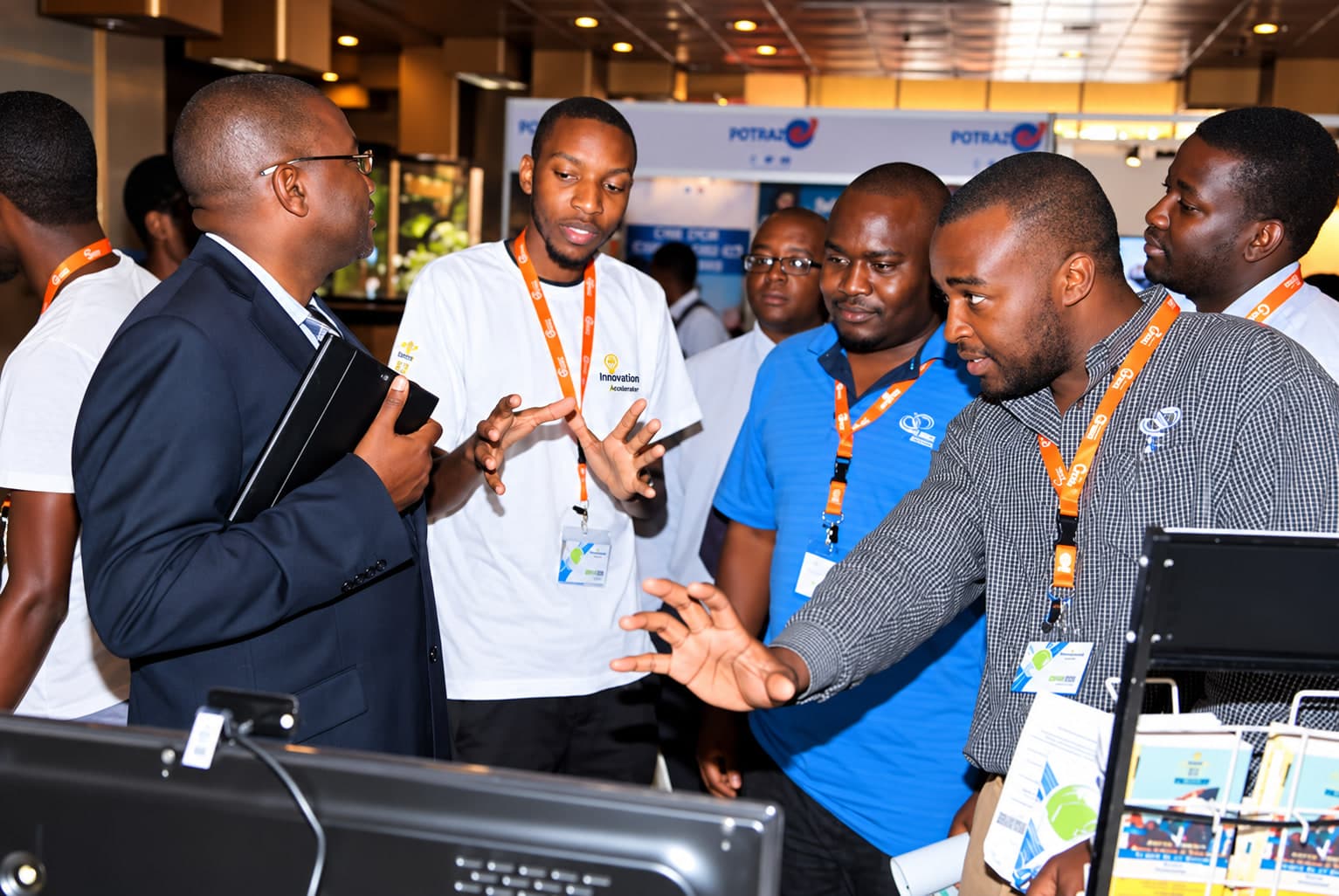
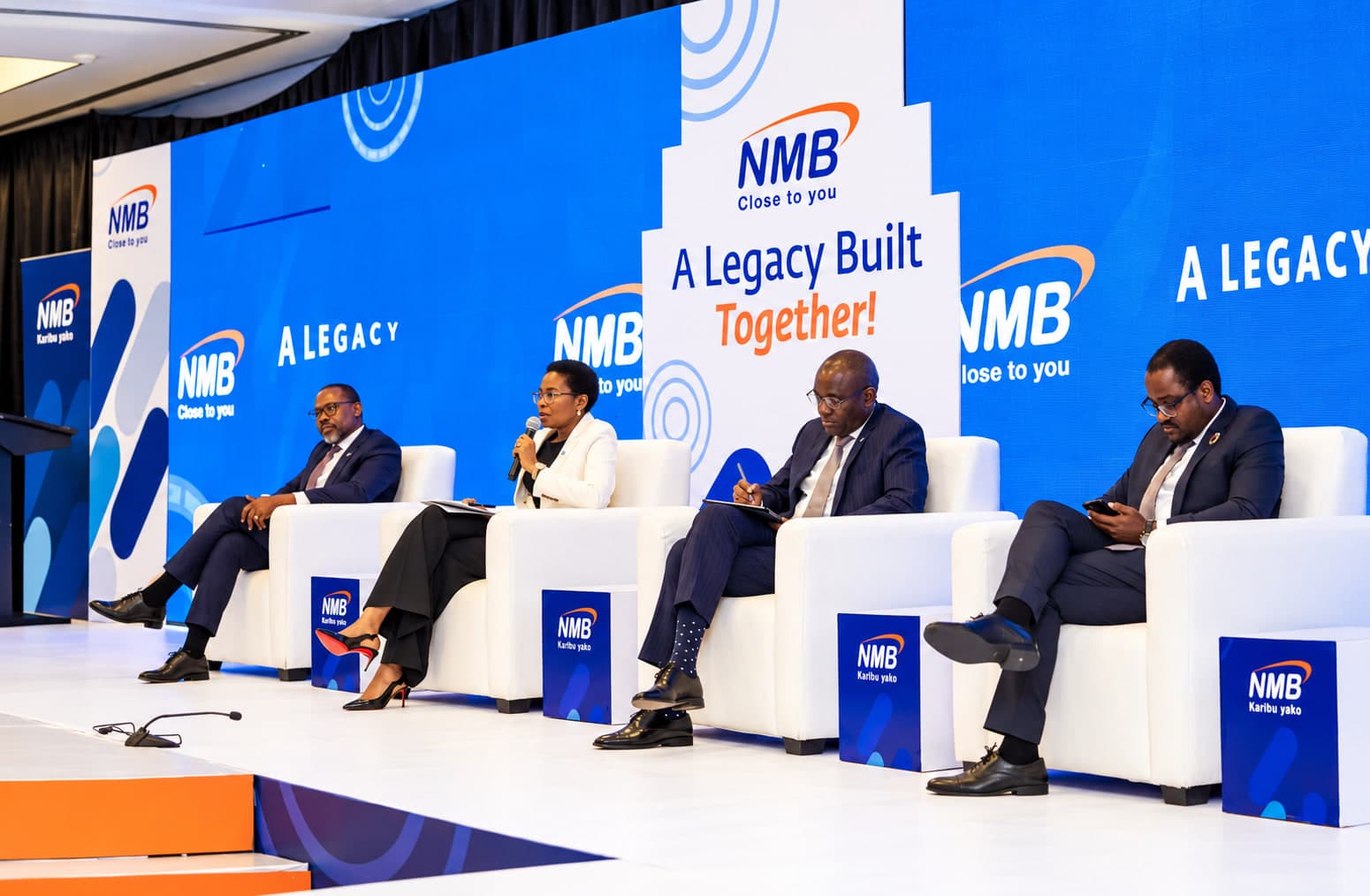
The bank disclosed the figures during Tanzania Startup Week 2026 in Dar es Salaam, where it announced a TSh 2 billion allocation to support technology startups and plans for an Innovation Hub to help founders bring products to market.
NMB has so far integrated six startups, enabling them to commercialise their products and services through the bank’s systems. Chief executive Ruth Zaipuna said five additional startups were expected to complete integration before the end of 2026.
The bank’s transition to a new core banking system has helped address technical barriers that previously slowed the process. The upgraded system is expected to make it easier for financial technology companies to connect their products to NMB’s infrastructure.
For startups, integration can provide more than a technical test. It creates a potential route to NMB’s customer base of more than 10 million people, giving businesses an opportunity to reach customers through an established financial institution.
New hub planned for 2027
NMB also plans to launch an Innovation Hub in January 2027. According to The Citizen, the bank has invested more than TSh 4 billion in the facility, which is expected to provide workspace alongside business, operational and technical support.
The hub will build on the NMB Sandbox programme, established in 2021 to allow innovators to test solutions in a controlled banking environment before commercial deployment.
The initiative comes as Tanzania’s startup ecosystem faces pressure to demonstrate measurable business results. At the opening of Startup Week on 19 October, Vice-President Deogratius Ndejembi urged banks, investors and startup-support organisations to assess their programmes by tracking the funding actually disbursed, businesses that expand and jobs created.
Ndejembi also highlighted the difficulties early-stage companies face when seeking conventional loans, particularly when they lack collateral. He called for stronger support to help startups progress from product development and testing to independent, sustainable businesses.
Government prepares startup policy
The government has given the Ministry of Industry and Trade six months to develop a dedicated startup policy. The proposed framework is intended to address the specific challenges facing early-stage businesses and establish clearer support for entrepreneurship and innovation.
The policy push comes as founders seek better access to finance, markets and technical infrastructure. Tanzania Startup Week, running from 19 to 23 October at the Julius Nyerere International Convention Centre, has brought together startups, investors, banks and policymakers to discuss the country’s startup economy.
The government has given the Ministry of Industry and Trade six months to develop a dedicated startup policy, following calls from Vice-President Deogratius Ndejembi for stronger support for early-stage businesses. The proposed policy is expected to address barriers to finance, market access and business growth.