
Zimbabwe Sets Up Innovation Centre to Help Local Inventions Reach the Market
Zimbabwe has established a national platform to help local innovators turn technology ideas and prototypes into commercially viable products, with the National Innovation Acceleration Centre (NIAC) tasked with connecting entrepreneurs to technical support, investors and potential customers.
StartUps
Zimbabwe has established a national platform to help local innovators turn technology ideas and prototypes into commercially viable products, with the National Innovation Acceleration Centre (NIAC) tasked with connecting entrepreneurs to technical support, investors and potential customers.
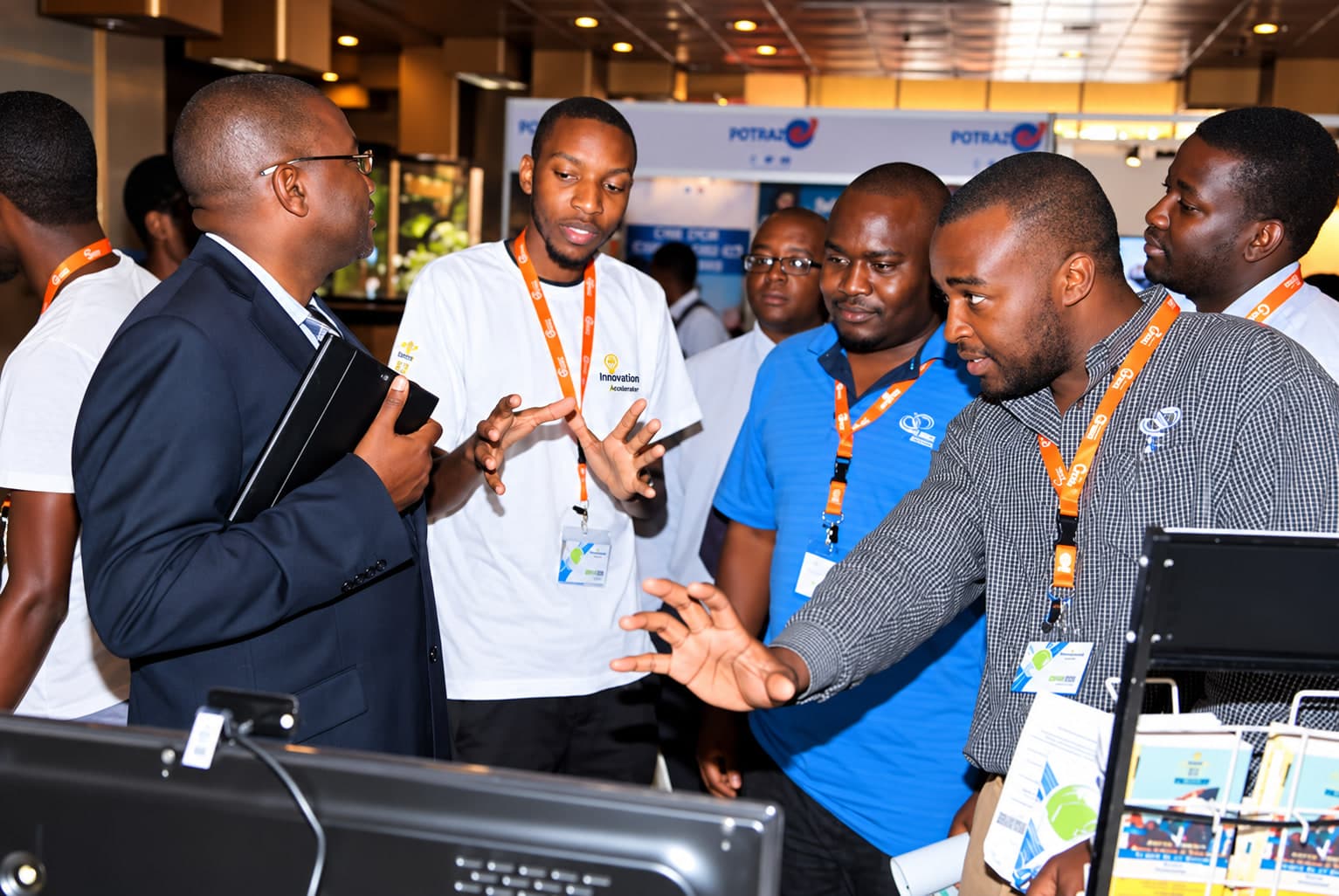
The centre was launched at the Postal and Telecommunications Regulatory Authority of Zimbabwe’s (POTRAZ) 2026 Innovation Product Launch and Business Forum in Bulawayo in April. It was established by POTRAZ and the International Telecommunication Union (ITU) to coordinate innovation support and improve the route from product development to commercial adoption.
The initiative addresses a challenge facing technology entrepreneurs: developing a working product does not guarantee access to funding, customers or the business expertise needed to build a sustainable company.
From prototypes to paying customers
NIAC’s model covers five stages of innovation support, beginning with idea development and prototype testing before moving into business training, investment preparation and market access.
The centre plans to connect innovators with universities, government departments, established companies, development partners and investors. This coordinated approach is intended to reduce fragmentation among organisations supporting Zimbabwe’s technology and entrepreneurship sectors.
Its flagship platform, the Innovation Product Launch and Business Forum, provides a venue for product demonstrations, investor pitches, business-to-business meetings and partnership discussions. These activities are designed to help innovators test market demand and identify opportunities for commercial deployment.
The centre’s website also lists technical development, mentorship, investment-readiness support and commercial partnerships among its services.
Startups across several sectors
The 2026 forum’s featured innovators included businesses developing solutions for healthcare, education, agriculture, tourism and logistics.
Among them was Avalon Health, which is developing an artificial intelligence-powered healthcare assistant. Tutor Me! offers an offline learning platform with content aligned to the school syllabus, while FasaSmartech is developing an internet-connected locker system for parcel delivery.
Other showcased projects included ZimQuest, a marketplace for tourism experiences, and The Greener Green Project, which helps farmers and tree planters track their environmental impact.
These examples show the range of products the centre hopes to move towards wider adoption. Their inclusion in the forum, however, does not by itself establish that they have secured investment, signed commercial contracts or achieved large-scale deployment.
Commercial results will be the real test
Zimbabwe is positioning NIAC as part of its wider effort to build a knowledge-driven economy under its national development agenda. The government wants innovation to contribute to business growth, employment, productivity and improved public services.
The centre’s longer-term value will depend on whether it can help founders move beyond demonstrations and secure paying customers, investment and repeat business.
For entrepreneurs, the most important outcomes will be practical: access to facilities for product testing, introductions to credible investors, opportunities to supply established businesses and clearer routes into public and private procurement.
NIAC has also outlined plans to coordinate existing innovation programmes rather than operate as a standalone accelerator. Its success will therefore depend on how effectively it connects institutions and converts their support into commercial opportunities for local businesses.