Volkswagen's electric Golf plans hit another setback as costs mount
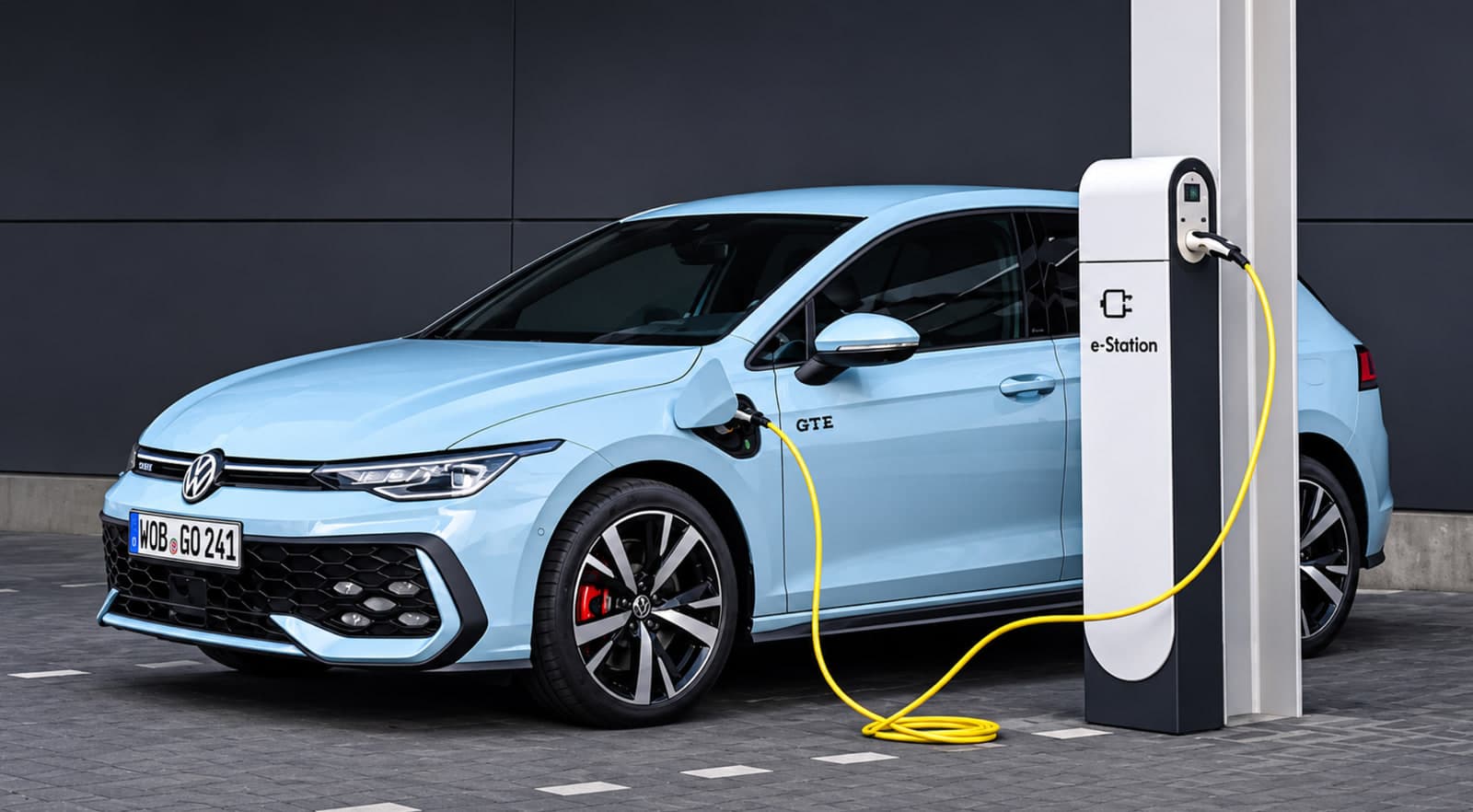
Volkswagen has put development of its next electric Golf on hold, adding another delay to a project that was supposed to carry one of the company's most recognisable models into the electric vehicle era.
VW
Volkswagen has put development of its next electric Golf on hold, adding another delay to a project that was supposed to carry one of the company's most recognisable models into the electric vehicle era.
AI-generated summary. It can miss nuance — read the full story above for the complete picture.
Volkswagen has put development of its next electric Golf on hold, adding another delay to a project that was supposed to carry one of the company's most recognisable models into the electric vehicle era. The decision was taken at the carmaker's main factory in Wolfsburg, Germany, as the company looks for ways to reduce spending. Volkswagen is dealing with weaker demand in important markets, rising competition from Chinese manufacturers and the cost of restructuring its operations.
The proposed ID. Golf has not been cancelled, but the pause raises questions about how quickly Volkswagen can get the project moving again. For a company that has spent years investing in electric vehicles, putting one of its most important future models on hold is not a small decision.
The Golf will have to wait
“Volkswagen has built its reputation around the Golf, but the electric version will have to compete on more than just its name. Price, range and technology will determine whether it can keep up with the growing competition.”
The Golf has been part of Volkswagen's business for decades. It has built a strong following across Europe and other international markets, with buyers drawn to its practicality, size and familiar design. Moving the model into the electric market was always going to be an important step. Volkswagen wanted to retain the Golf name while giving it a new electric platform and technology.
However, the transition has not gone according to the original plans. Development of the electric Golf has already been affected by delays to Volkswagen's next-generation electric vehicle architecture. The company has not abandoned the project, but development spending has been put on hold while management works through its financial priorities.
Pressure from China is becoming harder to ignore
Volkswagen's problems are not limited to its electric vehicle programme. Its position in China, once one of its strongest markets, has become more difficult as local manufacturers gain ground. Brands such as BYD have built their businesses around electric vehicles, offering buyers a growing range of models at competitive prices. They have also moved quickly with battery technology, software and in car features. Volkswagen is now competing in a market where its traditional strengths are no longer enough to guarantee sales.
The company needs to develop electric vehicles that can compete on price and technology, but doing so requires significant investment. That becomes difficult when sales are under pressure and the business is trying to reduce costs at the same time.
A new platform is holding up future models
The electric Golf is expected to use Volkswagen's Scalable Systems Platform (SSP). The architecture is being developed to support several future electric models and simplify production across the group. Volkswagen hopes the platform will help reduce manufacturing costs and make its electric vehicles more competitive.
However, delays to SSP have affected the company's wider product plans. The electric Golf is now expected to arrive in the early 2030s, rather than within the original development timetable. That leaves Volkswagen with a difficult wait. Other manufacturers are continuing to introduce new electric models, while the company still has to prepare its next generation of vehicles.
Volkswagen has more than one problem to solve
The company is also dealing with the cost of restructuring its German operations. Plans to reduce its workforce and adjust factory capacity reflect the pressure on its traditional manufacturing business. These changes are expensive, even though they are intended to improve the company's financial position over time.
Volkswagen has to keep investing in electric vehicles while paying for the changes needed to make its existing operations more efficient. The electric Golf is one of several projects competing for that investment. There is also the question of how quickly customers will move towards electric vehicles in different markets. Demand has not grown at the same pace everywhere, making it harder for manufacturers to plan production and justify large investments.
Will the electric Golf still have the same appeal?
By the time the ID. Golf reaches showrooms, the electric vehicle market could look very different from what it does today. Buyers will have more models to choose from, including vehicles from Chinese manufacturers that are already building a presence in international markets.
Volkswagen will need to offer more than the Golf name. Range, charging speed, pricing, software and running costs will all influence whether buyers consider it ahead of competing models. The company has built much of its reputation around the Golf, but the electric version will have to earn its place in a market where customers have more choices. For now, Volkswagen has other financial priorities to address before it can push ahead with the project. The longer development remains on hold, the more ground the company risks giving to competitors already selling electric cars.