Nigeria is testing whether electric cars can work as taxis
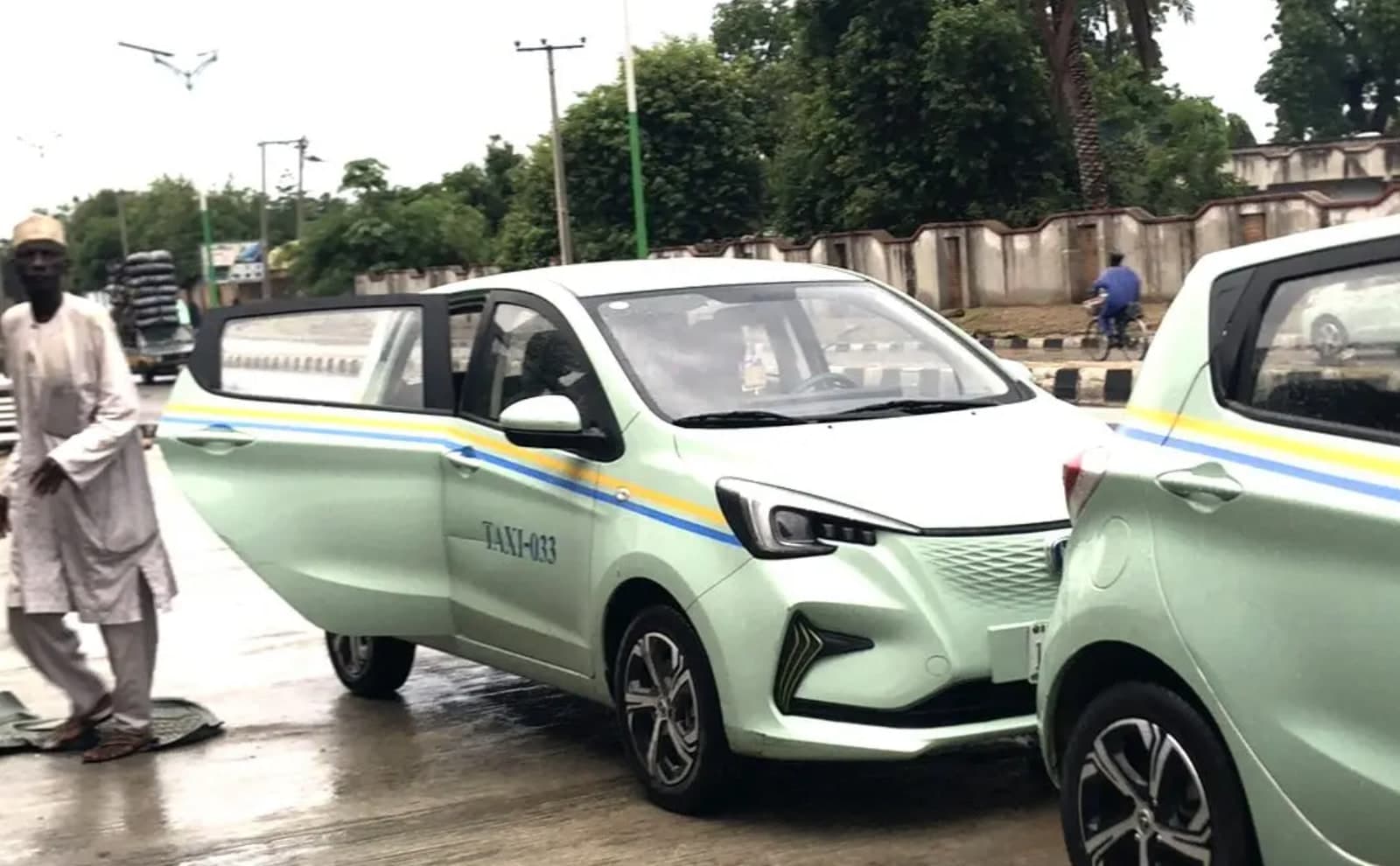
Getting an electric car onto the road is one thing. Keeping it busy all day as an e-hailing vehicle is another. That is the challenge facing ProTaxi, a new Nigerian e-hailing service from PromiseLand Innovations.
EV Taxis
Getting an electric car onto the road is one thing. Keeping it busy all day as an e-hailing vehicle is another. That is the challenge facing ProTaxi, a new Nigerian e-hailing service from PromiseLand Innovations.
AI-generated summary. It can miss nuance — read the full story above for the complete picture.
Getting an electric car onto the road is one thing. Keeping it busy all day as an e-hailing vehicle is another. That is the challenge facing ProTaxi, a new Nigerian e-hailing service from PromiseLand Innovations. The company plans to launch in Abuja on 1 October, using electric vehicles to carry passengers. It says it wants to expand into other Nigerian cities and, later, other African markets.
The fuel bill is only part of the problem
The timing is interesting because e-hailing drivers have very different requirements from ordinary car owners. A driver can spend most of the day moving between passenger trips. Fuel is a regular expense and, with petrol prices high, it can take a sizeable chunk out of daily earnings. An electric vehicle changes that calculation. There is no petrol bill, but there is a battery that needs to be charged.
“A lower running cost does not help much if the monthly vehicle payment is too high.”
A car cannot earn money while it is charging
That becomes a problem if the car is working from morning until late at night. A driver cannot afford to lose several hours waiting for a charge, particularly during periods when there are plenty of passengers looking for rides.
So ProTaxi will need to work out where its cars charge, how quickly they can charge and what happens when several vehicles need power at the same time. Those details are less exciting than launching a new app, but they could determine whether the business works.
The cost of the car still matters
The price of the vehicles is another issue. Nigeria has a large pool of drivers who depend on their vehicles to earn an income. Many are unlikely to simply walk into a dealership and pay cash for a new EV. Financing will therefore have a big role to play if electric e-hailing is going to move beyond a small fleet. A lower running cost does not help much if the monthly vehicle payment is too high.
Repairs do not disappear
Then there is maintenance. Electric cars have fewer mechanical components than petrol-powered vehicles, but they still need tyres, brakes, suspension work and other repairs. If something goes wrong with the battery or charging system, access to the right parts and technicians becomes important. ProTaxi is starting in Abuja, which gives it somewhere to work through these issues before expanding.
Passengers will still look at the fare
The company will also have to convince passengers. An electric car is unlikely to be enough on its own to make people switch e-hailing platforms. Passengers will still look at the fare, how long the car takes to arrive and whether they can find one when they need it. For the driver, the calculation is different.
The numbers have to work for drivers
A busy e-hailing car can cover a lot of kilometres in a week. If electricity costs less than the petrol that would have been used for those kilometres, there is a potential saving. But that saving has to be weighed against the price of the vehicle, financing, charging and the time the car spends off the road. That is why ProTaxi's launch is more interesting as a business experiment than simply another e-hailing launch.
Abuja is the first test
Nigeria has plenty of petrol-powered taxis and private cars already working in the sector. Replacing them with EVs requires more than putting electric vehicles on the road. It requires the charging network, financing and operating model to work together. ProTaxi will start finding out whether they can do that in Abuja from October.
If the cars spend more time carrying passengers than waiting to charge, the model has a chance to grow. If charging, financing or vehicle costs eat into the savings, expansion will be harder. There will be plenty of attention on the cars when ProTaxi launches. The more important figures will probably be found in the company's daily operating numbers.