Volkswagen's China problem is proving harder to fix than expected
Volkswagen went into China with a big advantage. It had an established name, a large customer base and years of experience selling cars in the country. That position has weakened as Chinese manufacturers have taken a bigger share of the market, particularly in electric vehicles.
VW
Volkswagen went into China with a big advantage. It had an established name, a large customer base and years of experience selling cars in the country. That position has weakened as Chinese manufacturers have taken a bigger share of the market, particularly in electric vehicles.
AI-generated summary. It can miss nuance — read the full story above for the complete picture.
Volkswagen went into China with a big advantage. It had an established name, a large customer base and years of experience selling cars in the country. That position has weakened as Chinese manufacturers have taken a bigger share of the market, particularly in electric vehicles. The German manufacturer turned to local electric vehicle company Xpeng in 2023, hoping the partnership would help it develop cars faster and compete with brands that understand the Chinese market better.
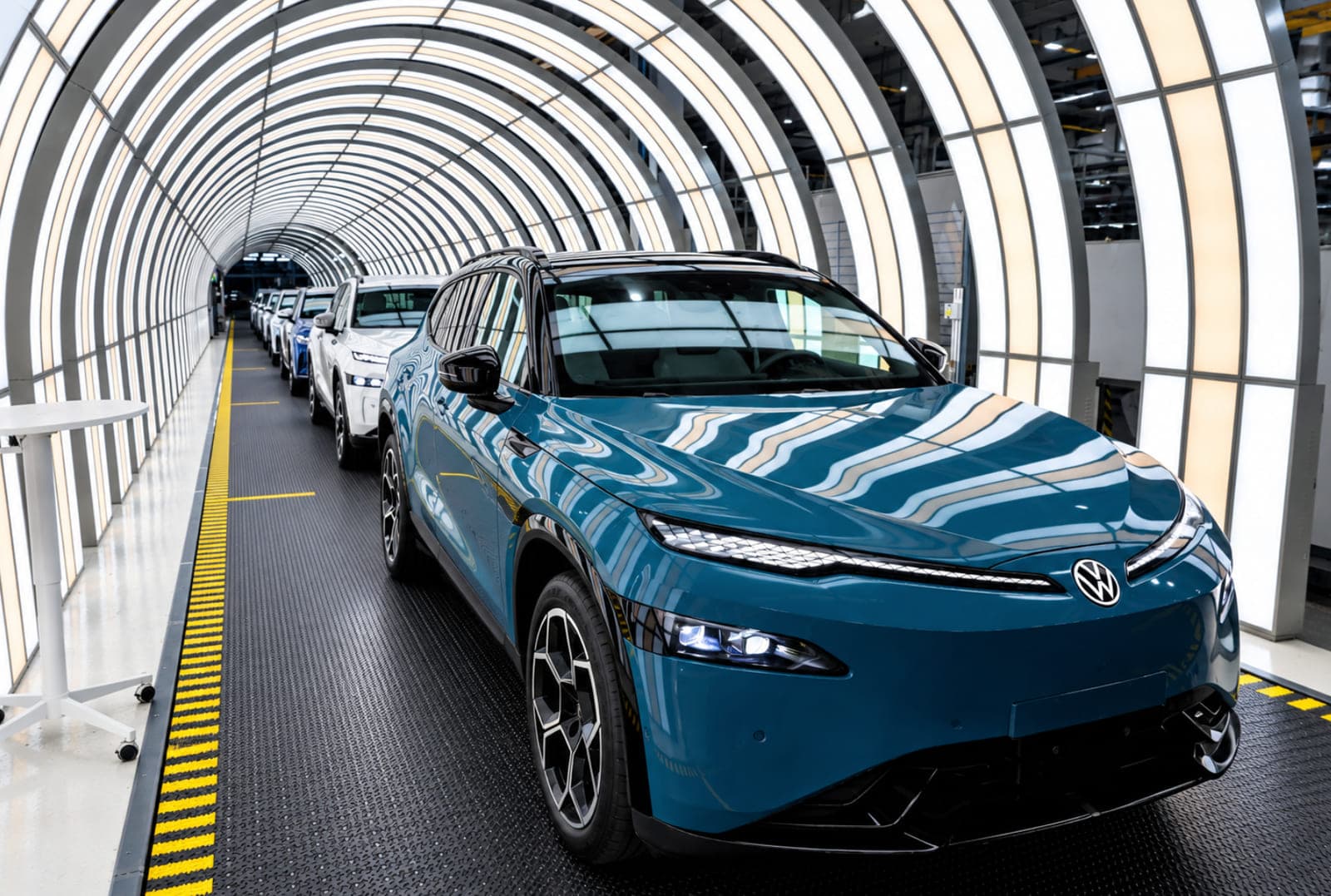
The first results have not been encouraging. The Volkswagen ID. UNYX 08, an electric SUV developed through the partnership, averaged 267 sales a month between April and August 2026. Volkswagen had expected to sell about 3,622 units every month, according to figures cited by Reuters from automotive consultancy ThinkerCar. The difference is difficult to ignore. The company expected a strong response, but buyers have not shown much interest. At about $34,260, the ID. UNYX 08 entered a market where customers could choose from several electric SUVs. Xiaomi's YU7 and Zeekr's 7X were among the alternatives. Xiaomi sold almost 57,000 YU7s during the same five-month period, while Zeekr sold more than 21,000 7X models. Volkswagen's sales were nowhere near those numbers.
The badge is not doing the work anymore
“The people buying the cars have to see a reason to choose Volkswagen over the alternatives.”
Volkswagen has spent decades building its position in China. But the market has changed, and local manufacturers are no longer just competing on price. They are developing their own software, battery technology and in car features. They are also bringing new models to market at a pace that has put pressure on established manufacturers. Volkswagen's response has included working with companies such as Xpeng rather than trying to develop everything on its own. The partnership has helped it shorten development time, but the ID. UNYX 08 suggests that getting a car ready for sale is only one part of the problem.
There is also the question of where customers can buy it. Volkswagen Anhui, which sells the model, had 166 outlets. The company's established joint ventures operate more than 3,000 dealerships across China. That is a considerable difference in reach. A new model needs more than a launch campaign. Buyers want to see the vehicle, take it for a test drive and know where they can get it serviced. Volkswagen has reportedly cut its 2026 sales target for the ID. UNYX 08 by more than 60% and introduced discounts.
A partnership still looking for a win
Volkswagen is continuing with Xpeng. The companies are preparing another model, the ID. UNYX 09 sedan, which will give them another opportunity to attract Chinese buyers. The partnership has helped Volkswagen develop a new electric vehicle architecture in 18 months. For a manufacturer of its size, that is a much shorter development period than its traditional approach.
Still, the sales figures raise a more difficult question: can Volkswagen understand what Chinese customers want quickly enough to compete with companies that are already doing it? Its market share in China's passenger vehicle market fell from around 20% in 2019 to 10% in the first eight months of 2026. China also contributes a much smaller portion of the group's profits than it did previously. This is not a small market that Volkswagen can afford to lose. It has been one of the company's most important sources of sales and earnings.
Could the China strategy reach South Africa?
There is another reason to watch Volkswagen's dealings with Chinese companies. Reuters reported on 28 October that the manufacturer is considering using technology developed with Chinese partners in other markets, including countries in the Global South. South America is expected to be an early focus, while Africa is also being considered. For South Africa, this raises questions about what Volkswagen could eventually bring to the local market. The company has a major manufacturing presence in Kariega, but local buyers are also being offered more vehicles from Chinese brands.
The competition is becoming harder to dismiss. Chinese manufacturers are expanding their dealer networks, adding models and giving buyers more choice at different price points. Volkswagen knows it needs to change its approach in China. The difficulty is that it cannot simply rely on a partnership or a new electric model to win customers back. The people buying the cars have to see a reason to choose Volkswagen over the alternatives.