The Hyundai-AfDB deal could be bigger for African suppliers than car buyers
Hyundai Motor Group and the African Development Bank are discussing electric vehicles, manufacturing, energy and transport projects in Africa.
Hyundai Pic
Hyundai Motor Group and the African Development Bank are discussing electric vehicles, manufacturing, energy and transport projects in Africa. For smaller businesses, the important question is whether they will get a place in the supply chains that come with those investments. Hyundai Motor Group is talking to the African Development Bank about doing more in Africa. The two signed a Letter of Intent covering electric vehicles, clean energy, transport and logistics infrastructure, manufacturing and skills development
AI-generated summary. It can miss nuance — read the full story above for the complete picture.
Hyundai Motor Group and the African Development Bank are discussing electric vehicles, manufacturing, energy and transport projects in Africa. For smaller businesses, the important question is whether they will get a place in the supply chains that come with those investments. Hyundai Motor Group is talking to the African Development Bank about doing more in Africa. The two signed a Letter of Intent covering electric vehicles, clean energy, transport and logistics infrastructure, manufacturing and skills development. There is no factory attached to the announcement.
There is no new battery plant either, and Hyundai has not announced a specific country or investment amount. The two sides are still looking at possible projects and how to finance them. That distinction matters. But so does what they have chosen to discuss. If some of these projects eventually go ahead, they could create demand for businesses that sit underneath the main investment. For African SMEs, that is probably the part worth following.
The contracts may sit one step away from Hyundai
“The real question is not whether Hyundai will build in Africa. It is who will supply the businesses that do.”
A new automotive operation needs a lot of businesses around it. Someone has to move parts to the plant. Equipment has to be installed and repaired. Warehouses need to operate. Electrical work has to be done. Components need to be packaged and delivered. Those jobs do not necessarily go to the car manufacturer. They can go to suppliers and contractors. That gives SMEs a possible route into the industry without having to become vehicle manufacturers themselves. A local engineering company could work on factory equipment. A logistics business could transport components. A manufacturer could produce a part used by a larger supplier. Whether that happens will depend on procurement rules and whether the projects include local suppliers.
EVs could bring new customers
Hyundai and AfDB have specifically included electric vehicle value chains in their discussions. That brings businesses into the picture that would not normally be considered part of the car industry. Charging is one example. As more electric vehicles appear on African roads, chargers have to be installed and maintained. Businesses also need electrical capacity and, in some cases, solar and battery systems to support charging. That gives existing electrical contractors and energy companies somewhere to compete. Workshops are another. An electric vehicle does not need the same maintenance as a petrol or diesel car.
Mechanics need training and different equipment to deal with batteries, high-voltage systems and electric drivetrains. A workshop that invests in those skills could eventually serve EV owners and fleets. None of this has been promised by Hyundai or AfDB. It is simply what tends to follow when electric vehicles move from a small market into wider use.
Manufacturing would change the picture
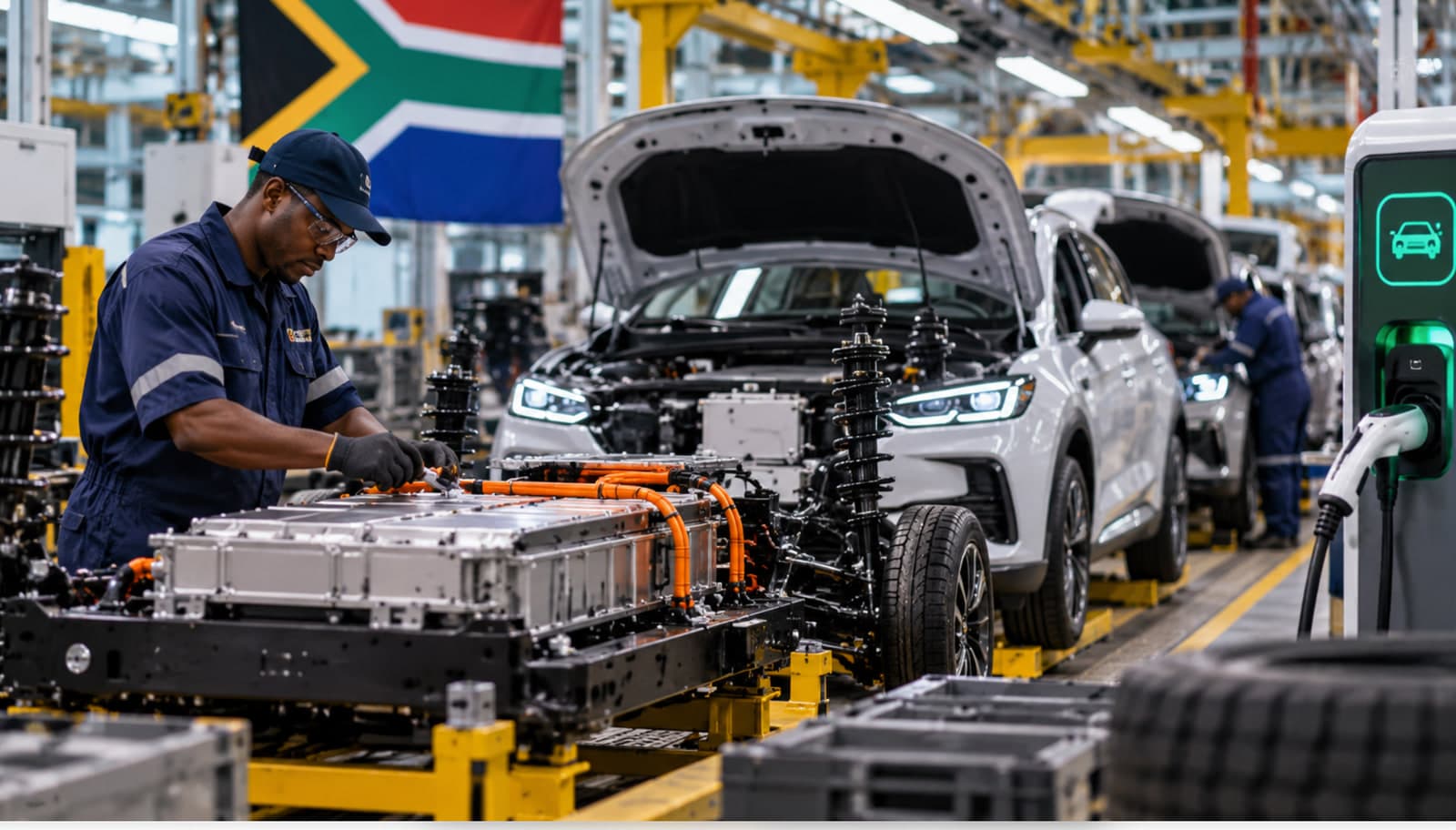
The manufacturing part of the agreement is potentially more significant for SMEs. Africa has vehicle assembly operations, but local production of components remains uneven across the continent. If Hyundai eventually establishes or expands manufacturing in an African market, the company and its suppliers will need local services and inputs. The simple question will be: who supplies them? For a small manufacturer, an automotive contract can mean a significant increase in volumes.
But it also comes with demands that many SMEs may struggle to meet. A manufacturer may need to produce the same part to the same specification every time. Deliveries cannot be missed because a production line is waiting. That can force a small business to buy machinery, improve quality control or hire more skilled workers before it is ready for a major contract.
The money matters as much as the investment
This is where the financing side of the Hyundai-AfDB agreement becomes relevant. The organisations are considering a blended-finance structure that would combine development finance with private capital. The immediate goal is to help finance larger projects. But SMEs will have their own financing problem. A small supplier may need R5 million, $300,000 or another relatively modest amount compared with the cost of a vehicle plant, but that money can still be difficult to raise. It could be needed to buy equipment, expand a workshop or keep enough cash available to fulfil a large order before getting paid. If future projects come with financing for local suppliers, that could make a real difference. If they do not, smaller businesses may find themselves watching large international suppliers win the contracts.
Logistics is less glamorous, but more immediate
The transport and logistics part of the agreement could also matter to SMEs. Automotive manufacturing involves a constant movement of goods. Parts have to get to factories. Vehicles have to move to dealers. Equipment and raw materials have to be stored and transported. This creates work for trucking companies, warehouse operators, fleet-management businesses and other logistics providers. For an SME already operating in this sector, an automotive customer could be a significant account. But the standards are high. Manufacturers want deliveries that can be tracked, planned and relied upon. A small logistics company may therefore need to upgrade its systems before it can compete for that work.
Skills could become another business
The agreement also includes skills development. That is easy to overlook, but the shift towards EVs will create a different training requirement. Mechanics need to understand high-voltage systems. Technicians need to work with new diagnostic equipment. Factory workers may need training for new production processes. Training companies and technical businesses could find a market here. But the demand will ultimately depend on how quickly electric vehicles and new manufacturing projects expand in each country.
The real test comes later
For now, there is not much for an SME to apply for. Hyundai and AfDB have not announced a list of projects or opened a supplier programme. What the agreement does is put several areas on the table at the same time: cars, EVs, manufacturing, energy, logistics and skills. The next announcements will be more telling. If Hyundai and AfDB name projects, countries, investment amounts and local procurement plans, SMEs will have a much clearer idea of where they can fit. Until then, the story is less about a sudden windfall for small businesses and more about whether Africa can build enough local suppliers to support the automotive investment it wants to attract. For SMEs, that could be the difference between watching the investment arrive and actually earning money from it.