Mncane Mthunzi takes over as naamsa CEO
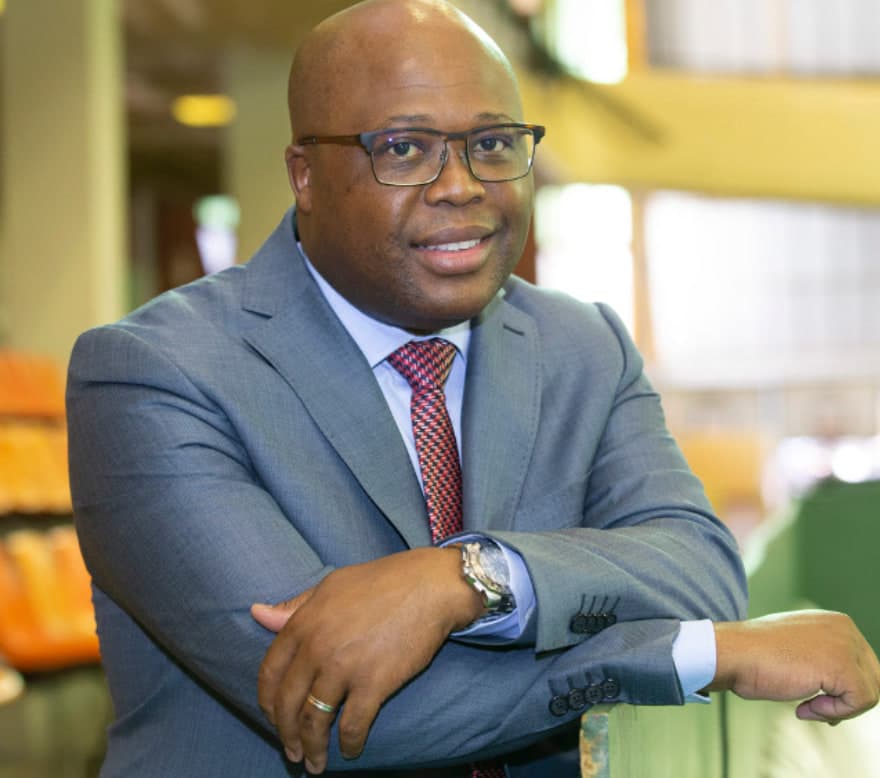
South Africa's automotive industry has a new CEO. Dr Mncane Mthunzi has taken over as CEO of naamsa, the Automotive Business Council, effective September 7. He replaces Shinny Gobiyeza, who had been serving as acting CEO since April following the departure of Mikel Mabasa.
Mncane Pic
South Africa's automotive industry has a new CEO. Dr Mncane Mthunzi has taken over as CEO of naamsa, the Automotive Business Council, effective September 7. He replaces Shinny Gobiyeza, who had been serving as acting CEO since April following the departure of Mikel Mabasa. Mthunzi takes over an industry that is changing quickly. South Africa has more Chinese car brands competing for buyers, electric and hybrid vehicles are becoming more common, and vehicle manufacturers are deciding where to build the next generation of cars. For naamsa, these changes affect more than vehicle sales.
AI-generated summary. It can miss nuance — read the full story above for the complete picture.
South Africa's automotive industry has a new CEO. Dr Mncane Mthunzi has taken over as CEO of naamsa, the Automotive Business Council, effective September 7. He replaces Shinny Gobiyeza, who had been serving as acting CEO since April following the departure of Mikel Mabasa. Mthunzi takes over an industry that is changing quickly. South Africa has more Chinese car brands competing for buyers, electric and hybrid vehicles are becoming more common, and vehicle manufacturers are deciding where to build the next generation of cars. For naamsa, these changes affect more than vehicle sales. The organisation represents vehicle manufacturers, importers, retailers and commercial vehicle companies. Its work also covers issues such as investment, exports, local production and the supply chain that supports vehicle manufacturing.
Keeping manufacturers in South Africa
South Africa has a well-established vehicle manufacturing industry, with companies such as Toyota, Volkswagen, Ford, Mercedes-Benz and Isuzu producing vehicles in the country. Those factories support hundreds of suppliers that make components, move vehicles and parts, and provide other services to manufacturers. A new model can bring more work to that network. Losing a model can have the opposite effect. This makes new investment important for the industry. Manufacturers regularly decide which plants will produce new models. South Africa is competing with other countries for that investment, and production costs, infrastructure, export access and government incentives all form part of those decisions. Mthunzi will have to represent the industry's interests as those decisions are made.
South Africa needs manufacturers to keep producing locally while they change the types of vehicles they build.
Electric cars are changing what factories need to produce
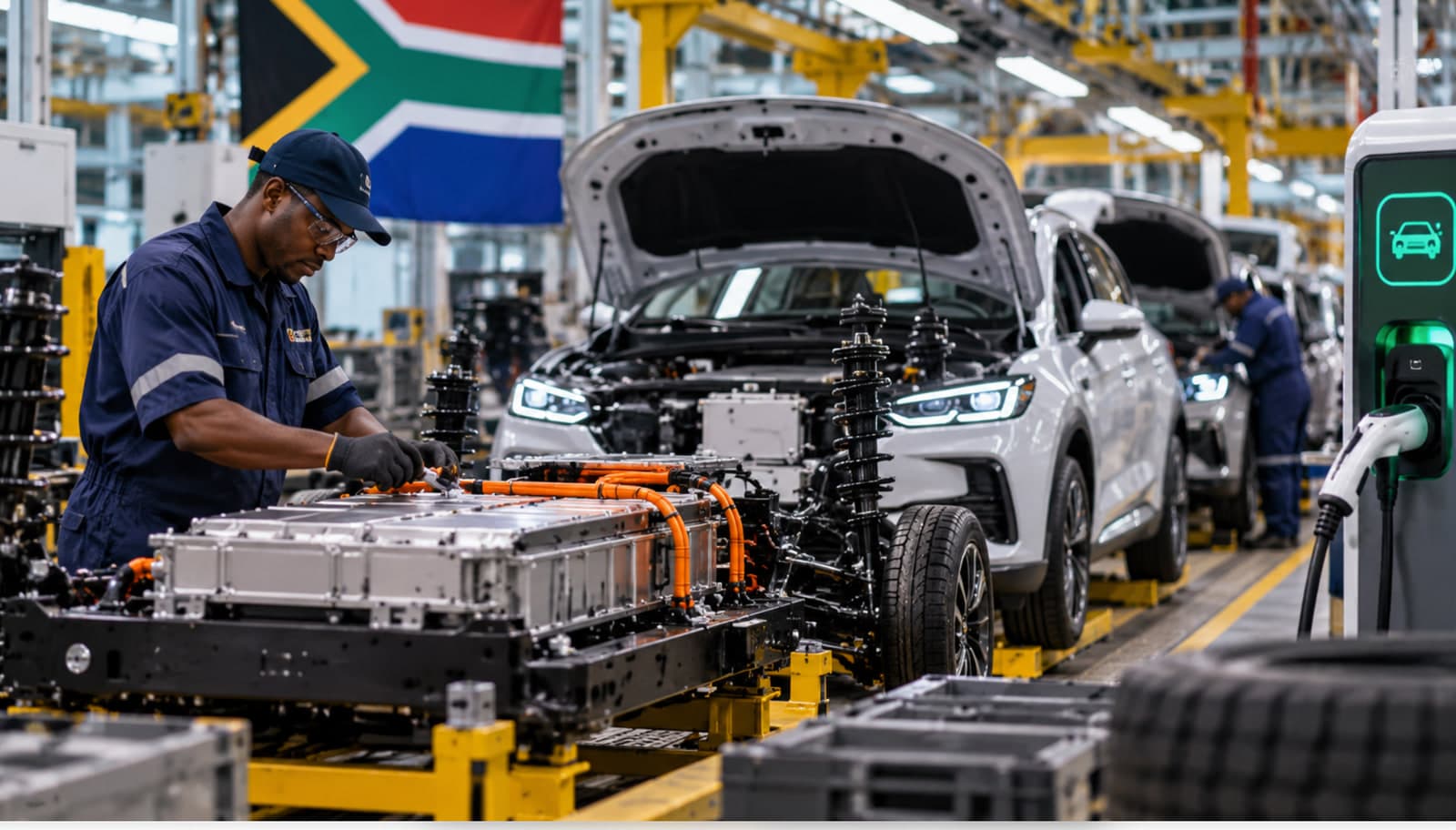
The shift towards electric and hybrid vehicles adds another issue. South Africa exports a large number of vehicles, including to markets that are increasing the number of electric and hybrid cars sold. Local manufacturers therefore need to prepare their plants for those vehicles if they want to continue supplying those markets. That means spending money on new equipment and changing some parts of the local supply chain.
It also affects component manufacturers. A petrol or diesel vehicle needs an engine, exhaust system and other components that an electric vehicle does not use in the same way. Suppliers that depend heavily on those parts may have to find new products to manufacture as vehicle production changes. The government has introduced incentives under the New Energy Vehicle Development Programme to encourage manufacturers to produce new-energy vehicles in South Africa.Getting manufacturers to make use of those incentives will be one of the issues facing the industry.
Chinese brands have changed the market
The local car market has also become more competitive. Chinese manufacturers have expanded their presence in South Africa, bringing more SUVs, hybrids, electric vehicles and lower-priced models into the market. That has given consumers more choice and put pressure on established brands. For manufacturers that have been operating local factories for years, the pressure is not only about selling more cars. They also have to keep their production costs competitive while investing in new technology. At the same time, South Africa needs those manufacturers to keep investing locally.
Exports matter too
South Africa's automotive industry depends heavily on exports. Vehicles produced locally are sold in overseas markets, which means changes in those markets can affect production here. Tariffs, trade agreements and vehicle regulations can all influence whether it makes sense for a manufacturer to produce a particular model in South Africa. Shipping and other costs also matter because locally produced vehicles have to compete with vehicles made in other countries. This puts trade policy high on the list of issues for naamsa and its new CEO.
What Mthunzi will be dealing with
Mthunzi starts the job with several issues already on the table. The industry wants more investment in local vehicle and component production. Manufacturers need to prepare for more electric and hybrid vehicles. Chinese brands are taking a larger place in the local market, while South African factories still need to remain competitive in export markets. For naamsa, that means working with manufacturers and government on the practical issues affecting those businesses. The organisation's job will also be to make sure the country's automotive industry remains competitive enough for manufacturers to keep producing vehicles here and consider South Africa when new production investments are being made. Mthunzi now takes over that work as the local industry enters another period of change.