Moroccan Startup One Med Link Builds AI Platform for Healthcare Workflows
Moroccan e-health startup One Med Link is developing an AI-powered platform that connects clinical workflows, hospital systems and structured health data.
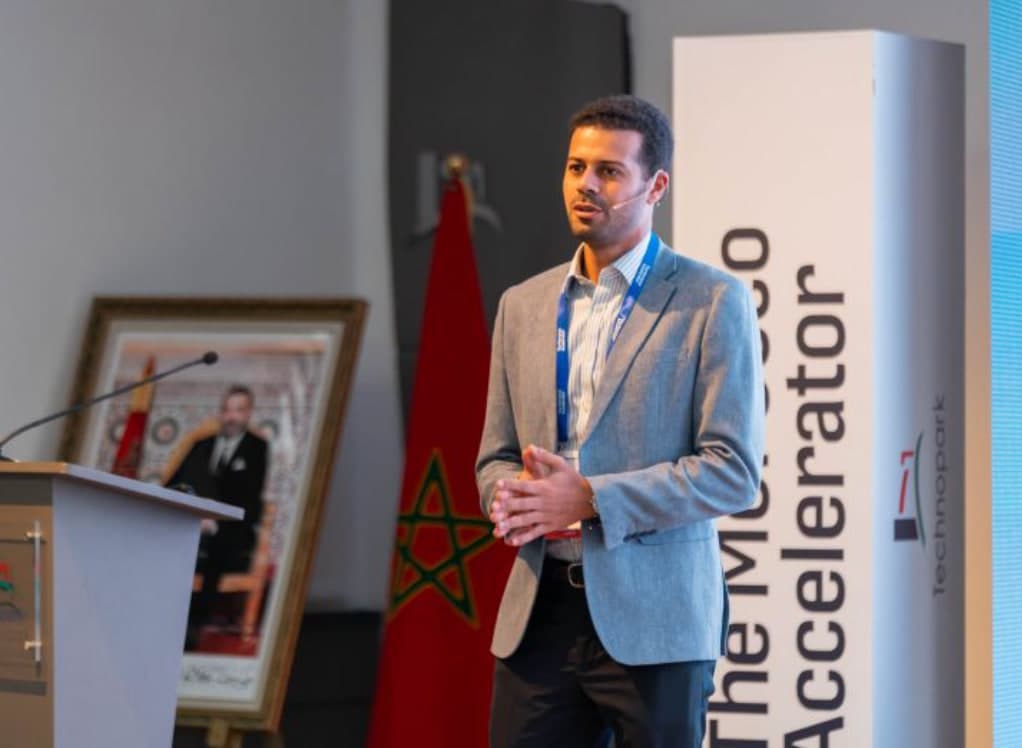
Co founder Engineer Soukaina Benabid
Moroccan e-health startup One Med Link is developing an AI-powered platform that connects clinical workflows, hospital systems and structured health data. Co-founded by Deyaa Wahbi and Soukaina Benabid in 2025, the startup is developing tools that support healthcare professionals with clinical documentation, medical summaries, patient information, clinical scores and decision-support workflows.
One Med Link also works on prescription-related processes, dashboards and the conversion of unstructured medical information into structured data that can be reused across healthcare systems and research.
Connecting Existing Healthcare Systems
One Med Link is not designed to replace hospital information systems or electronic medical records. Its platform is intended to operate alongside existing infrastructure and provide an additional layer for clinical workflows and data.
“Interoperability is central to the way we are building One Med Link,” Wahbi told Disrupt Africa. “The platform is designed around international healthcare standards, including FHIR, so that it can communicate with existing digital health infrastructure rather than becoming another isolated system.”
Wahbi said the problem identified by the company is often found between healthcare professionals, patients and the software already used by hospitals.
“Hospitals already have software, information systems and electronic records. The real challenge is often what happens between the healthcare professional, the patient and those systems,” he said.
Clinicians still spend significant amounts of time documenting consultations, searching for information, transferring data between systems and preparing summaries. Much of the resulting information remains unstructured, making it harder to reuse for clinical or research purposes.
One Med Link is building its platform around these gaps, with the aim of making information easier to capture, structure and exchange.
Building Health Data for Research
Research is another part of One Med Link’s focus.
Wahbi said many clinical datasets and AI models used internationally do not adequately represent African populations. The startup wants to improve the way health information generated in Moroccan healthcare environments is structured and made available for research while maintaining data-protection standards.
“Africa should not simply consume AI models trained elsewhere,” Wahbi said. “African healthcare systems should progressively be able to generate, structure and leverage their own health data for research and innovation.”
That means the company is looking beyond clinical documentation. Its longer-term objective is to create a layer connecting healthcare professionals, hospital systems and structured health data.
One Med Link also wants the platform to remain compatible with international healthcare infrastructure. Its use of standards such as FHIR is intended to allow the technology to work across different digital health systems.
From R&D to Institutional Deployment
One Med Link currently has more than 200 healthcare professional users and close to 50 research users.
User numbers are not the only measure the startup is tracking. It is also assessing time saved on clinical documentation, completeness of medical records, workflow efficiency, adoption, usability and the potential value of structured clinical information for research.
The company initially funded its development itself and has since received accelerator funding. It is now preparing for its first fundraising round, which will support product development, institutional deployments and expansion.
One of its next projects involves the emergency department of a new hospital in Rabat, where the startup is preparing to support the digitalisation and optimisation of clinical workflows.
Emergency medicine is a significant test for the platform because clinicians need rapid access to information while maintaining accurate documentation and structured decision-making. The Rabat deployment will therefore give One Med Link an opportunity to move from controlled adoption towards larger institutional use.
Expanding Beyond Morocco
Morocco is currently the startup’s primary market, with One Med Link planning to use local institutional deployments to establish measurable use cases before entering additional African markets.
Wahbi said the company’s expansion strategy is focused primarily on Africa, starting with the wider Maghreb and North Africa before targeting selected French-speaking African markets. Those markets include healthcare systems facing challenges around digitalisation, interoperability, fragmented health information and clinical workforce efficiency.
One Med Link plans to establish deployments in Morocco, assess the results and adapt the platform to the regulatory, clinical and technology requirements of each new market.
The startup currently operates primarily through a B2B model, working directly with healthcare institutions. Commercial agreements vary according to the institution, functionality required, integration requirements and project scope.
One Med Link also plans to introduce a subscription-based offering for independent healthcare professionals and private practitioners, giving them access to selected tools outside large institutional deployments. Read about More Like This HERE