23 new cars are coming to South Africa as Chinese brands expand
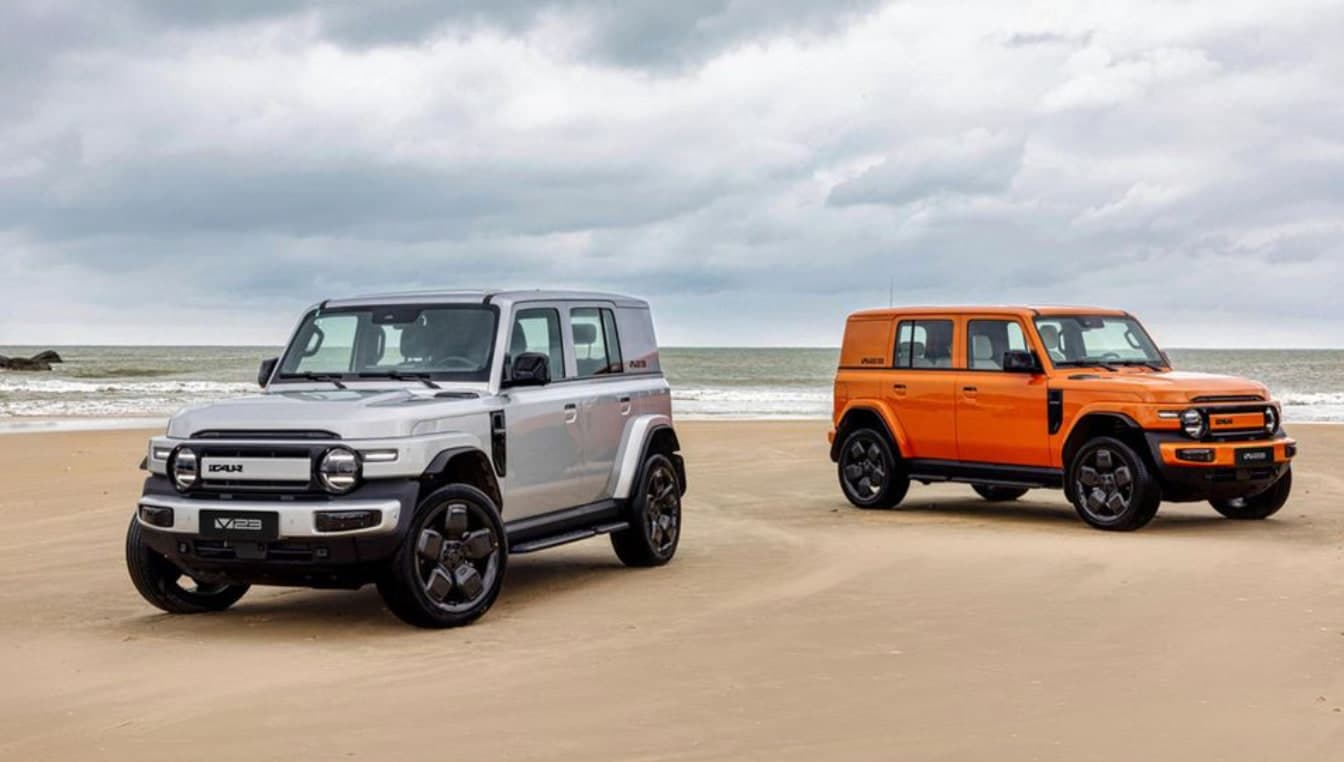
South Africans will have more new cars to choose from as several manufacturers prepare to launch new models locally. At least 23 vehicles were announced around the 2026 Festival of Motoring, with most of them coming from Chinese manufacturers.
23 New Cars
South Africans will have more new cars to choose from as several manufacturers prepare to launch new models locally.
At least 23 vehicles were announced around the 2026 Festival of Motoring, with most of them coming from Chinese manufacturers. The new models include SUVs, bakkies, hybrids, electric vehicles and smaller passenger cars.
Some of these brands are already familiar to South African buyers, while others are still trying to establish themselves. Either way, the growing number of launches is giving consumers more options, particularly in the price ranges where most people shop.
AI-generated summary. It can miss nuance — read the full story above for the complete picture.
South Africans will have more new cars to choose from as several manufacturers prepare to launch new models locally. At least 23 vehicles were announced around the 2026 Festival of Motoring, with most of them coming from Chinese manufacturers. The new models include SUVs, bakkies, hybrids, electric vehicles and smaller passenger cars. Some of these brands are already familiar to South African buyers, while others are still trying to establish themselves. Either way, the growing number of launches is giving consumers more options, particularly in the price ranges where most people shop. That is also putting more pressure on the manufacturers that have dominated the local market for years.
Chinese brands are bringing more cars
Chinese carmakers have been increasing their presence in South Africa, with Chery, GWM and Haval already selling vehicles locally. Other brands, including Changan, JMC, LDV and GAC, are now adding more models to the market. The new launches show that these manufacturers are targeting several parts of the market at once. There are smaller cars for buyers looking to keep costs down, SUVs aimed at families and new bakkies going after customers who would normally consider brands such as Toyota, Ford and Isuzu. Chery, for example, is preparing its KP31 double-cab bakkie, while JMC and LDV are also bringing new bakkies. GWM and Haval are expanding their existing ranges with more models and powertrain options. That gives consumers more vehicles to compare, but it also means the established brands have more competition in segments where they have traditionally been strong.
“South Africans are going to see a lot more badges on dealership floors, giving buyers more reason to compare before signing on the dotted line.”
Price is going to matter
One reason Chinese brands have gained attention is the amount of equipment they offer for the price. For buyers, the badge is only part of the decision. They are also looking at the monthly instalment, fuel consumption, safety features, technology and what is included in the price. This makes the new arrivals more relevant to people who are shopping with a fixed budget. If a customer has R400,000 to spend, for example, they can now compare several SUVs rather than choosing between only a few familiar brands. A vehicle with more standard equipment can become attractive if the monthly payment is similar. That does not mean established manufacturers will suddenly lose their customers. But they will have to pay closer attention to what competitors are offering. The pressure is likely to be strongest in the parts of the market where buyers are most price-conscious.
Bakkies are one area to watch
The bakkie market is a good example. Toyota's Hilux and Ford's Ranger remain popular, but buyers now have more alternatives. Chery, JMC and LDV are bringing new double-cab models, while GWM continues to expand its bakkie range. For private buyers, having another option is useful. For businesses, the decision is a little more complicated. A small contractor or business owner may like the price and equipment of a new bakkie, but also needs to know where it can be serviced and how quickly parts can be sourced. If the vehicle is used to deliver goods or carry equipment, having it sit at a dealership for weeks can cost the business more than the money saved when buying it. That is why the growing number of brands will also put more attention on dealer networks and after-sales support.
The same applies when the car is sold
After sales support is not the only issue for newer brands. Resale value will also matter, particularly for people buying cars on finance. South Africans already have a good idea of what a used Hilux, Ranger, Polo or Corolla is worth because there are so many of them in the second-hand market. It is harder to predict where some of the newer brands will sit after five years. That does not mean their resale values will be poor. It simply means there is less local history to work with. For someone keeping a car until it is paid off, this may not be a major concern. But for buyers who normally trade in their vehicle after three or four years, it can affect the overall cost of ownership.
More electric and hybrid cars are arriving
The growing number of launches is also giving South Africans more options beyond petrol and diesel. Several of the new models coming to the country are electric, hybrid or use range-extender technology. This gives buyers who want to reduce their fuel use more choices, but the right option will depend on how the vehicle is used. Someone who drives mostly around town and can charge at home has a different set of needs from someone who regularly travels between Johannesburg and Durban. Charging infrastructure is still part of the calculation, particularly for buyers who do not have access to home charging.For some motorists, a hybrid may be easier to live with because it can reduce fuel consumption without requiring the same charging routine as a fully electric vehicle.
Buyers will have to compare more than the price
With more models arriving, the showroom price will not tell the whole story. A buyer looking at a new car will also need to consider the finance agreement, insurance, servicing, warranty and parts availability. The dealer network matters too. A brand may have an attractive SUV at a good price, but that becomes less useful if the nearest dealership is several hours away or parts take a long time to arrive. These are things established brands have spent years building. The newer manufacturers now have to do the same while trying to sell cars at competitive prices.
What this means for South Africans
The immediate benefit for buyers is straightforward: there are more cars to choose from. Someone shopping for an SUV, bakkie or family car can compare more models than they could a few years ago. That could lead to better deals as manufacturers compete for the same customers. It could also push established brands to offer more equipment or improve their finance and service packages. But buyers should not assume that the cheapest car is automatically the best deal.
The cost of owning a vehicle continues long after it leaves the showroom. Insurance, servicing, fuel, repairs and resale value all form part of what the car eventually costs. The 23 new vehicles coming to South Africa will not all succeed. Some will sell well, while others may struggle to find a place in a market where consumers already have plenty of options.What is clear is that South Africans are going to see a lot more badges on dealership floors. And for buyers, that means there is more reason to compare before signing on the dotted line.