NoorNation raises $1.05 million: What its solar irrigation model means for SMEs
An Egyptian farmer who wants to replace a diesel pump with a solar-powered system could face a bill of around EGP 1 million for a 20 horsepower installation, according to NoorNation founder Ragy Ramadan.
NoorNation
An Egyptian farmer who wants to replace a diesel pump with a solar-powered system could face a bill of around EGP 1 million for a 20 horsepower installation, according to NoorNation founder Ragy Ramadan.
AI-generated summary. It can miss nuance — read the full story above for the complete picture.
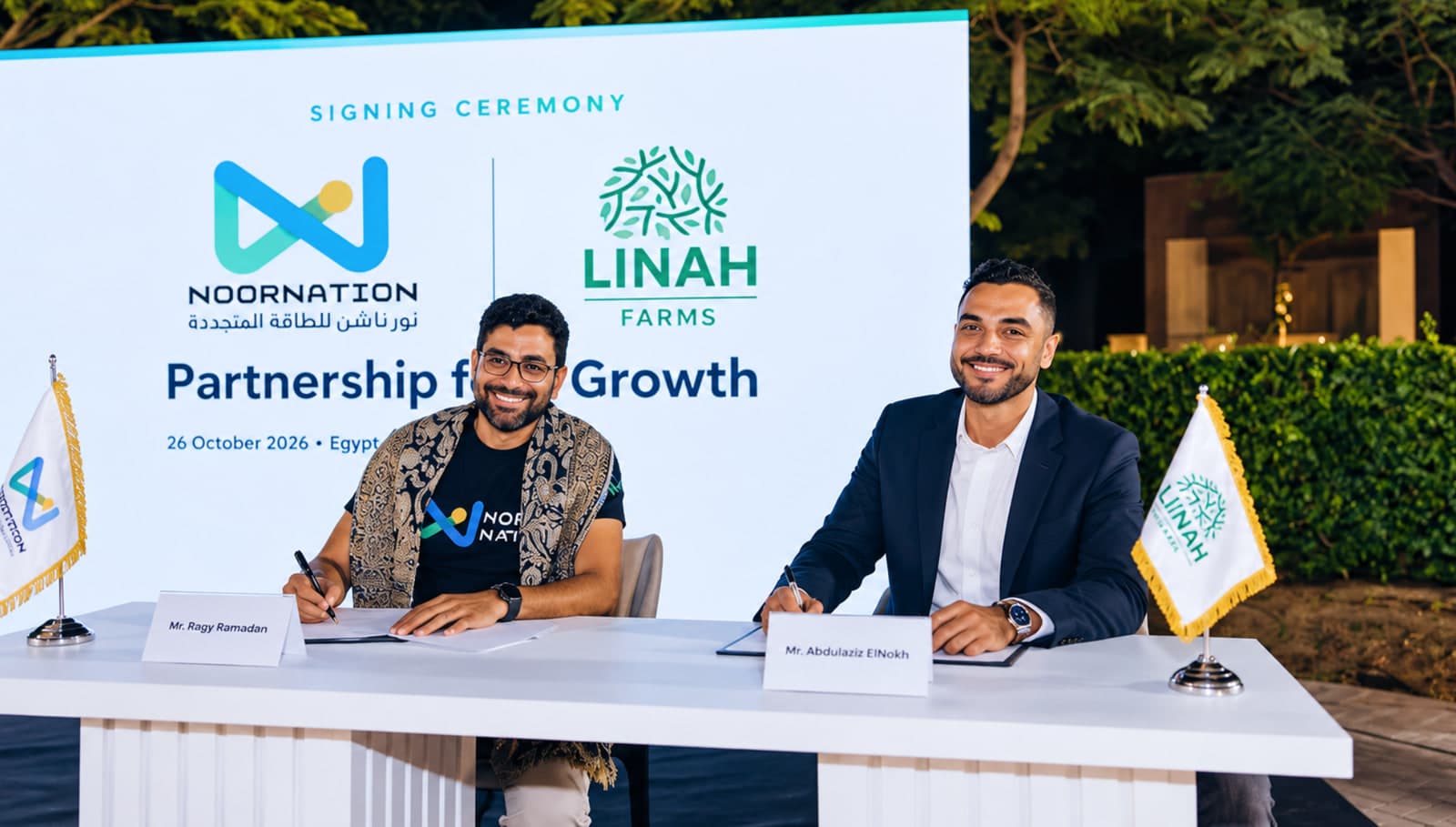
An Egyptian farmer who wants to replace a diesel pump with a solar powered system could face a bill of around EGP 1 million for a 20 horsepower installation, according to NoorNation founder Ragy Ramadan. Even if solar power brings down running costs, finding that money upfront is another challenge. NoorNation has built its business around this problem. The Egyptian startup has raised $1.05 million from Linah Farms, Catalyst Fund and KBW Ventures to expand its solar irrigation services.
Rather than requiring farmers to buy the equipment, NoorNation installs the system and charges them for the water they use. The farmer gets access to solar powered irrigation without having to pay the full installation cost at the start. For small businesses, the approach is worth watching. Many SMEs need equipment to keep operating or take on more work, but buying it can leave little cash for stock, wages and suppliers.
The farmer pays for the water
“Spreading payments can protect cash flow at the beginning, but it may cost more over the full term.”
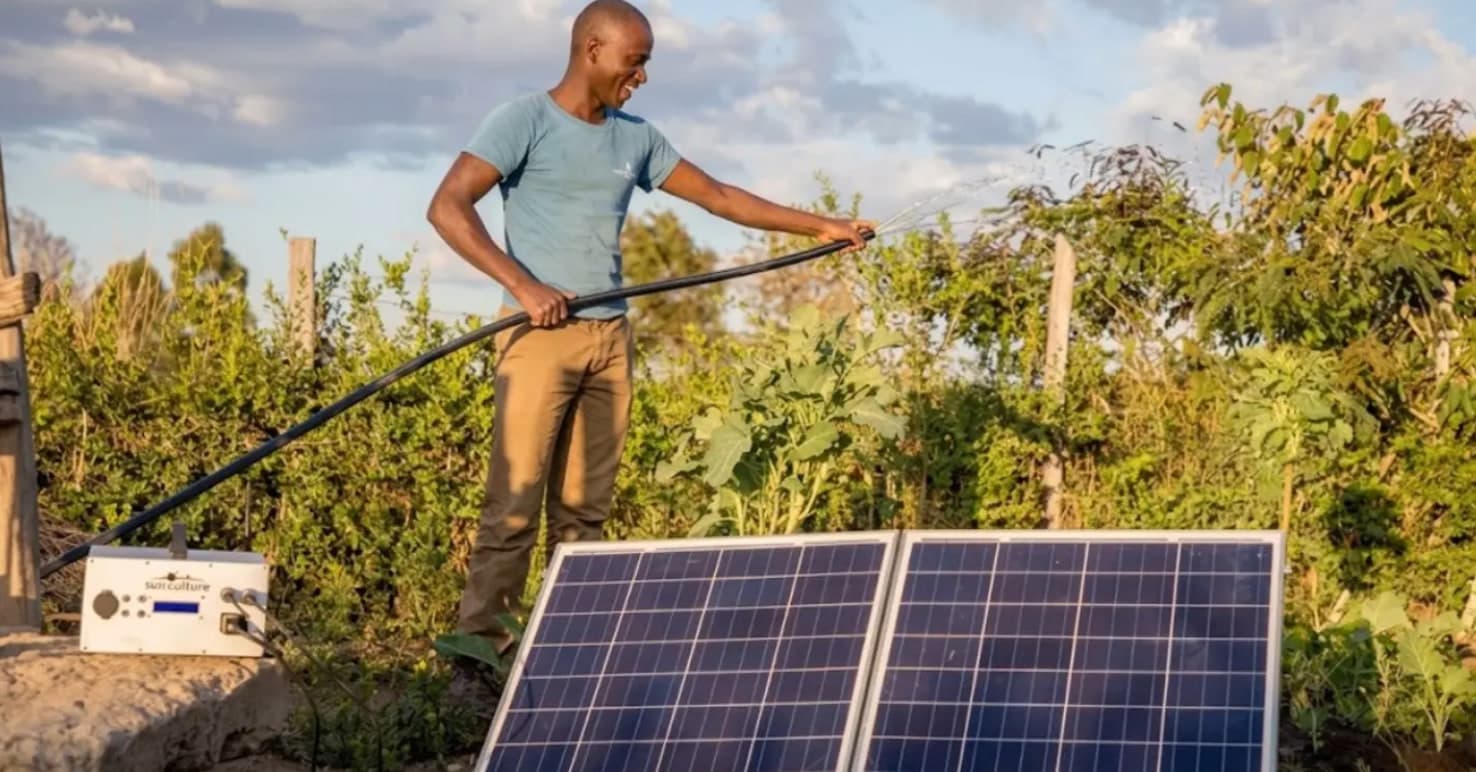
NoorNation's Solar Irrigation as a Service model uses its LifeBox system to supply solar-powered water. Farmers pay by the hour, with payments available through services including the myFawry app, according to EnterpriseAM. Under the reported arrangement, farmers can take ownership of the equipment after five to seven years. NoorNation also works with Community Development Associations to manage payments.
This changes the initial cost for farmers, but it does not remove the expense altogether. They still have to pay for the service, and the numbers need to work against what they would otherwise spend on diesel. A farmer who pumps water every day may have a different experience from one who irrigates less often. The amount saved will depend on fuel consumption, water demand and the fees charged for the service.
Linah Farms has become an investor
NoorNation's funding round includes Linah Farms, which was already using the company's systems. NoorNation says a solar irrigation installation at Linah's operations in Bahariya Oasis has saved more than EGP 3 million in diesel expenses. A separate solar installation at the group's Sultan Gardens Resort in Sharm El Sheikh has reduced electricity costs by more than EGP 2.2 million. The companies have also agreed to five additional solar projects across Bahariya Oasis and West Minya, with a combined capacity of about 1.13 megawatts.
These figures are based on NoorNation's reported results at Linah's sites. They should not be taken as a forecast of what a smaller farm will save. The size of the operation, its energy use and the cost of accessing the equipment all affect the outcome. Still, Linah's move from customer to investor shows that the relationship has developed beyond a single equipment installation.
The same cash problem affects SMEs
A small food producer may need refrigeration to protect stock. A workshop may need machinery to handle more orders. A rural business may need solar power to keep equipment running where electricity is unreliable. In each case, the owner must decide whether to spend a large amount upfront or find another way to access the equipment.
NoorNation's model offers one example of the second option. Instead of paying for an entire system, a customer pays for the service over time. The company is focused on solar energy, water systems and irrigation; it is not offering this arrangement for every type of business equipment. But the financing question applies to SMEs across different sectors.
Before signing a service agreement, a business owner needs to compare the total payments with the cost of buying and maintaining the equipment. They also need to check who pays for repairs, what happens if the equipment stops working and whether ownership transfers at the end of the contract. Spreading payments can protect cash flow at the beginning, but it may cost more over the full term.
Lower costs only help if the payments are affordable
Farmers also have to consider when money comes in. They may pay for irrigation and other inputs months before they sell their crops. A service that reduces fuel costs can still create pressure if its payment schedule does not match the farm's income. Small businesses face a similar problem when customers pay late or sales fluctuate. The cost of equipment needs to fit the business's cash flow, not just look affordable on paper. NoorNation says it has installed around 66 projects with a combined capacity of 7 megawatts across 13 Egyptian governorates. The new funding will help it expand its operations.
The test will be whether the company can reach more farmers while keeping its service affordable. Its reported savings at Linah Farms provide an example of what the systems have delivered at those sites, but smaller customers will need to judge the offer against their own costs. For SMEs, the point is not to avoid owning equipment at all costs. It is to work out whether buying, borrowing or paying for a service leaves the business in the strongest position to meet its everyday expenses and keep operating.