Tanzania’s Medikea raises $1.2m to grow its healthcare business
Medikea wants patients in Tanzania to get more of their healthcare from one provider, rather than travel between separate clinics, laboratories and pharmacies. The startup has raised $1.2 million to expand that model, with plans to grow from four clinics to 10 by the end of 2027.
Medikea
Medikea wants patients in Tanzania to get more of their healthcare from one provider, rather than travel between separate clinics, laboratories and pharmacies. The startup has raised $1.2 million to expand that model, with plans to grow from four clinics to 10 by the end of 2027.
AI-generated summary. It can miss nuance — read the full story above for the complete picture.
Medikea wants patients in Tanzania to get more of their healthcare from one provider, rather than travel between separate clinics, laboratories and pharmacies. The startup has raised $1.2 million to expand that model, with plans to grow from four clinics to 10 by the end of 2027. The company has already opened two new facilities in Arusha and Morogoro. The funding will help pay for further expansion, staff recruitment, technology development and operating costs.
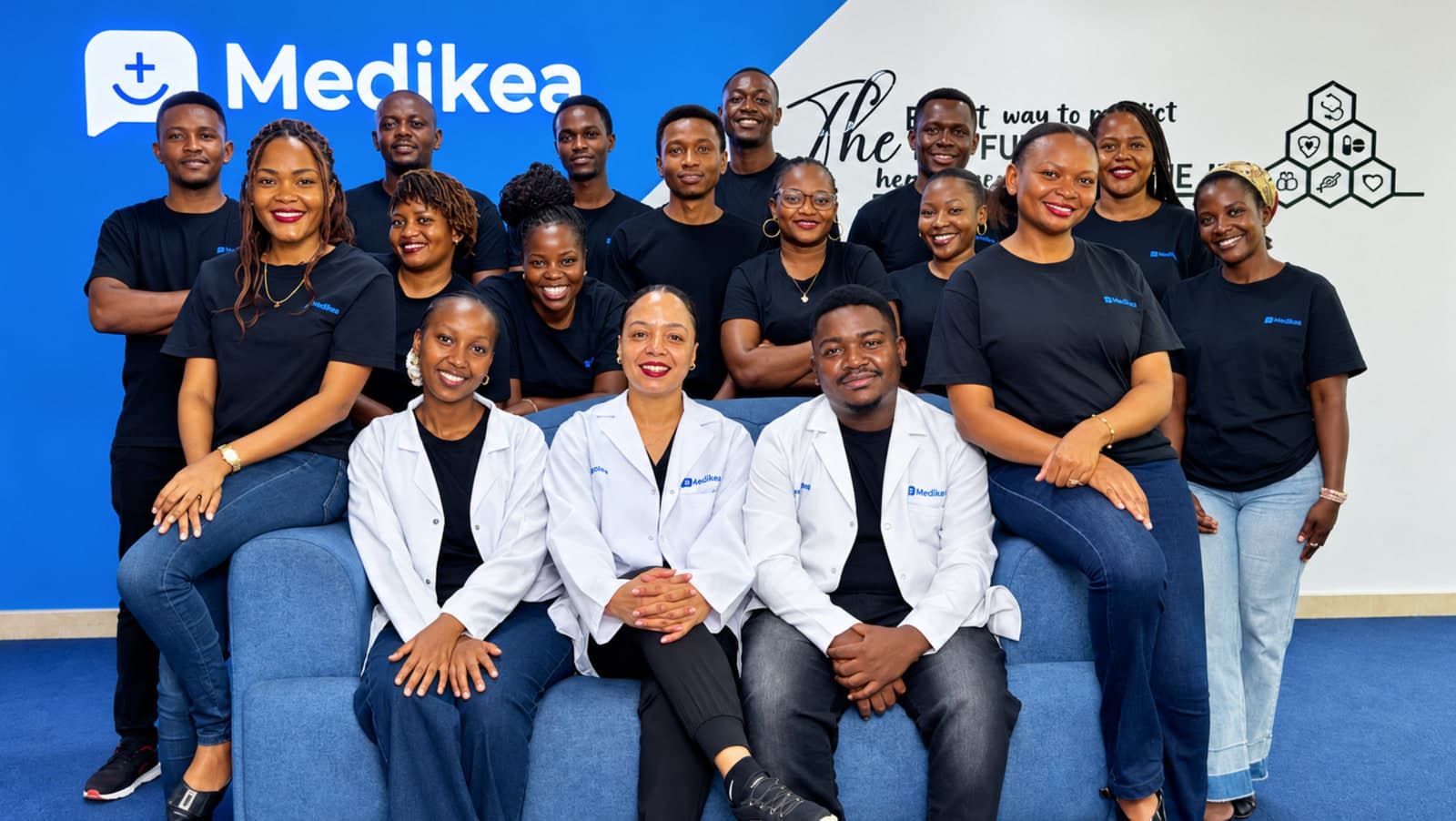
Its pre seed round attracted Baobab Network, Catalyst Fund, develoPPP Ventures, Madica, Impacc, Hustle Fund, O’Shaughnessy Ventures, Madiro, Boehringer Ingelheim Foundation and an unnamed angel investor. Founded in 2022 by doctors and software engineers, Medikea combines online consultations with physical clinics, diagnostic services, pharmacy products and specialist treatment.
The thinking behind the business is rooted in how patients seek care. Someone visiting a doctor may still need to arrange a blood test elsewhere, find a pharmacy with the prescribed medication and return for another consultation. Each step takes time and can add to the bill, particularly for people paying from their own pockets. Medikea wants to handle more of that process itself.
“Each new clinic adds expenses before the company knows how many patients it will attract.”
Why an app is not enough
Patients can use Medikea’s app to consult a doctor remotely. If they need a physical examination, they can visit one of its clinics. The company also provides diagnostic services and pharmacy access, while electronic medical records help clinicians follow a patient's treatment history. Its specialist services include paediatrics, women's health, dermatology, fertility and chronic disease management.
For a patient managing diabetes or another long-term condition, for example, treatment may involve consultations, tests and regular medication. Having these services connected could make follow-up easier and reduce the need to coordinate between different providers. But Medikea has chosen a more expensive way to build its business than a company that simply connects patients to independent doctors.
It has to pay for premises, medical equipment, clinical staff and supplies, as well as the technology behind its app. It also takes responsibility for the quality of care delivered through its facilities. Chief executive Dr Elvis Silayo told TechCabal that the company wanted control over the parts of healthcare delivery that affect patients most, including service quality, reliability and price.
That control may help Medikea manage the patient experience, but it comes at a cost. Every new clinic adds expenses before the company knows how many patients it will attract.
The challenge of making each clinic pay
Medikea earns revenue from consultations, specialist care, diagnostic tests and pharmacy products. It also offers subscription programmes for people who need continuing treatment, starting with chronic disease management.
The combination of online and in-person services gives the company different ways to serve the same patient. A clinic visit may be necessary for an examination or test, while a follow up consultation can sometimes take place online. This could make care more convenient and help the company use its clinical staff more efficiently. However, Medikea has not disclosed its revenue, operating costs or profitability, so it is difficult to assess how well the model is performing financially.
The distinction matters as the company expands. A clinic needs enough paying patients to cover rent, salaries, equipment and medical supplies. If patient numbers fall short, the business still has to meet those bills. Medikea says it has served more than 50,000 patients since its launch and has a clinical team of over 40 people. It wants to serve more than 100,000 patients over the next 12 months. The company will need to turn that growth into enough revenue to support its expanding network.
Six more clinics by the end of 2027
Medikea plans to increase its clinic count from four to 10 across Tanzania by the end of 2027. It intends to open new facilities but is also considering acquiring existing clinics. Starting from scratch gives the company more control over the premises and equipment. Buying an existing facility could provide a quicker route into a new area, although Medikea would need to assess its costs, staff and existing patient base.
Either option requires more than securing a building. The company will need qualified medical workers, reliable supplies and enough patients to keep each location operating. Medikea is not the only company trying to make healthcare easier to access through technology. It competes with Tanzanian digital health providers such as TanzMED, AfyaCall and LyfPlus, alongside traditional clinics. Other African businesses, including Uganda's Rocket Health and Kenya-based Zuri Health, also use technology to connect patients with healthcare services.
Medikea's approach places more responsibility on the company because it operates physical facilities as well as its digital service.
Investors are backing a difficult business
The $1.2 million raise comes as funding for African healthtech startups remains limited. The sector attracted $18 million in the first half of 2026, accounting for 1.3% of the $1.44 billion raised by African startups during the same period. Medikea will use its funding to expand its network, recruit staff, improve its technology and support sales and marketing. The money gives the company room to grow, but opening six more clinics will require careful spending. Each new location brings upfront costs, and it may take time before patient revenue covers them.
For patients, the important questions are less about the number of clinics than the service they receive: how much a consultation costs, whether tests and medication are available, and whether follow-up treatment is easy to arrange. Medikea says it wants to establish a sustainable business in Tanzania before expanding into other East African markets.
That leaves the company with a clear task at home. It must show that bringing clinics, diagnostics, pharmacy services and online consultations under one business can work for patients without making the operation too expensive to maintain. The move from four clinics to 10 will provide a better indication of whether the model can support a larger network. For now, Medikea is concentrating on Tanzania rather than rushing into other markets.