SunCulture is turning farmer repayments into new financing
For SunCulture, selling a solar irrigation system does not mean getting all the money on the same day. Farmers can pay for the equipment over time. That helps make the systems more affordable, but it also means SunCulture has money tied up in future customer payments.
SunCulture
For SunCulture, selling a solar irrigation system does not mean getting all the money on the same day. Farmers can pay for the equipment over time. That helps make the systems more affordable, but it also means SunCulture has money tied up in future customer payments.
AI-generated summary. It can miss nuance — read the full story above for the complete picture.
For SunCulture, selling a solar irrigation system does not mean getting all the money on the same day. Farmers can pay for the equipment over time. That helps make the systems more affordable, but it also means SunCulture has money tied up in future customer payments. The Kenyan solar company has now found a way to put some of that money back to work.
SunCulture has closed a $10 million securitisation deal with Mirova's Gigaton Fund, using receivables linked to its solar irrigation systems. The deal was announced on 24 September. The structure involves a special-purpose vehicle buying receivables generated by SunCulture Kenya. Mirova provides the vehicle with a $10 million senior secured facility. In plain terms, SunCulture is getting access to capital tied to money its customers are expected to pay in the future.
The problem is the wait for the money
“The money is already coming from customers. SunCulture is finding a way to use those future payments to finance the next farmer.”
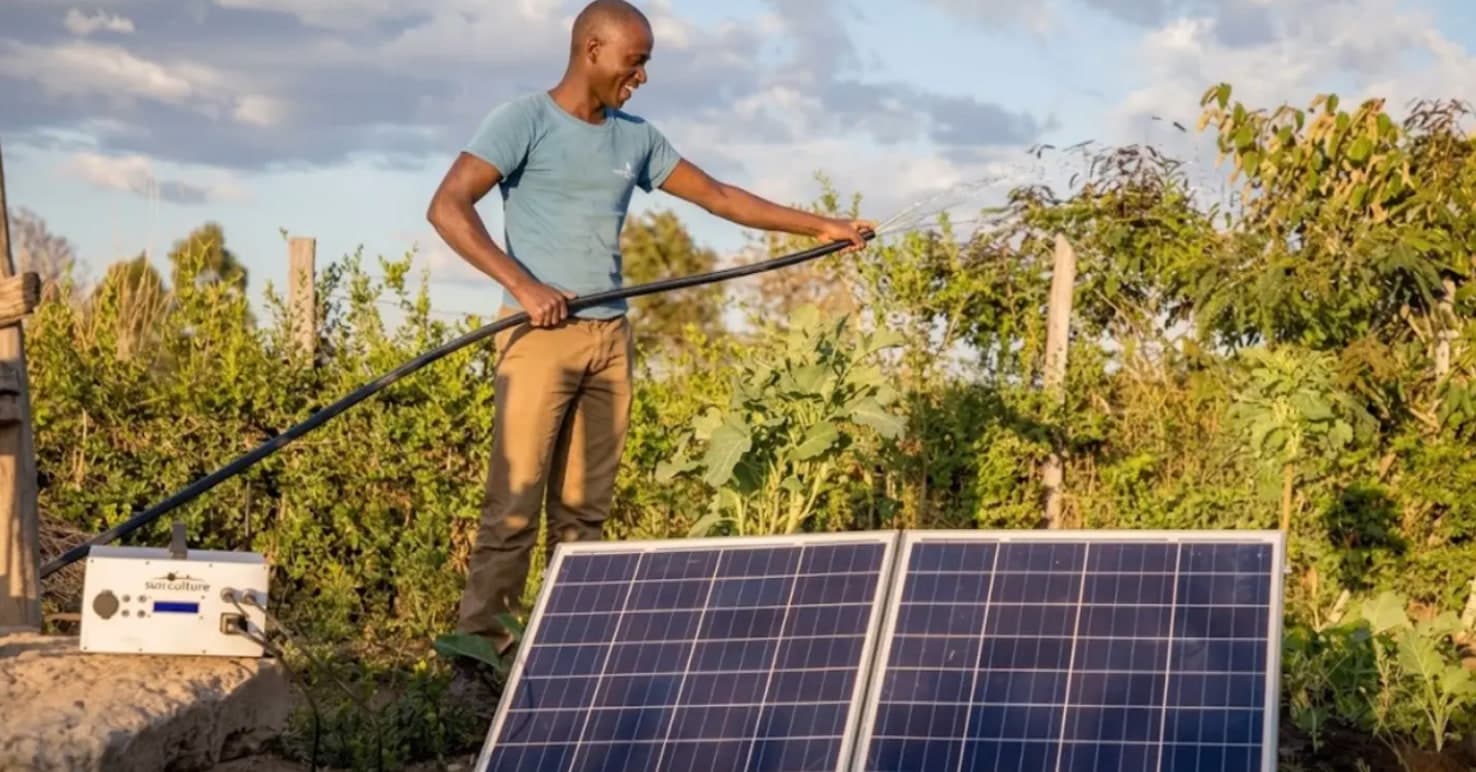
SunCulture's business is built around selling solar-powered irrigation equipment to smallholder farmers. A farmer gets the system and pays through an instalment plan. SunCulture, however, has already had to spend money on the equipment and getting it to the customer. That creates a cash flow problem. If the company has a large number of customers paying over several months or years, a substantial amount of money can remain tied up in those payment plans.
The company can wait for the instalments to arrive, but that limits how quickly it can use the same capital to finance new customers. The securitisation changes that. The receivables are transferred into a separate vehicle, which is financed by Mirova. SunCulture can then recycle capital that was previously tied up in longer-term customer payments.
It is different from a normal startup funding round
This is not another equity round where an investor puts money into SunCulture in exchange for a stake in the company. The financing is connected to the company's existing customer receivables. That makes the payment history behind those receivables important. If farmers keep making their instalments, there is a stream of cash supporting the financing. If repayments weaken, the economics of the structure change.
That matters in agriculture because farmers' incomes are not always predictable. Harvests, rainfall, crop prices and other costs can affect how much money is available to make payments. So SunCulture has to keep selling systems while also managing the payment book behind them.
SunCulture has already sold more than 85,000 systems
The company says it has sold more than 85,000 solar irrigation systems and pumps since it was founded in 2012. Its model allows farmers to pay for the equipment over time, with insurance and warranty services included. That customer base is important to the financing structure because it creates a pool of receivables. The more established the payment book becomes, the more data there is on how customers actually repay.
Kaleidofin was involved in structuring the transaction and will monitor the portfolio. Its technology was also used in selecting receivables and modelling the expected cash flows.
Why solar companies need this kind of financing
There is a simple problem with selling energy equipment on instalments. The equipment has to be bought before the customer has finished paying for it. That applies beyond solar irrigation. Solar home systems, pumps, batteries and other productive-use energy equipment can all be sold through payment plans.
For companies using this model, growth can therefore consume a lot of cash. A company might have strong demand and thousands of paying customers, but still need more capital to keep putting equipment into the market. SunCulture's deal is one way of dealing with that problem. Instead of leaving all of its future customer payments sitting on the books until they are collected, the company can use a portion of those receivables to support new financing.
There is a bigger test here
The interesting question is whether this can work beyond one company. Mirova and SunCulture are positioning the transaction as a possible financing model for other distributed-energy businesses in Africa. That will depend on whether other companies have the same ingredients: enough customers, reliable repayment data and receivables that investors are willing to finance. It also depends on how well those customers perform over time.
For SunCulture, the immediate benefit is more straightforward. Money that would have remained tied up in future farmer payments can be recycled into the business. That gives the company more room to finance the next farmer instead of waiting for the previous one to finish paying.