Libya wants to move its Tobruk power station away from diesel
Libya wants to cut the cost of electricity generation by moving its 740MW Tobruk power station from diesel to LNG. The proposed conversion could save an estimated $647 million a year, but reliable gas supply and the cost of new infrastructure will determine whether the figures add up.
Libya
Diesel is an expensive way to generate electricity, especially when a power station consumes thousands of tonnes of fuel every day. Libya wants to change that at its Tobruk power station, where a planned conversion will see the facility move from diesel to liquefied natural gas (LNG).
AI-generated summary. It can miss nuance — read the full story above for the complete picture.
Diesel is an expensive way to generate electricity, especially when a power station consumes thousands of tonnes of fuel every day. Libya wants to change that at its Tobruk power station, where a planned conversion will see the facility move from diesel to liquefied natural gas (LNG). Delta United Group has signed an agreement with the General Electricity Company of Libya (GECOL) to carry out the work at the 740MW facility.
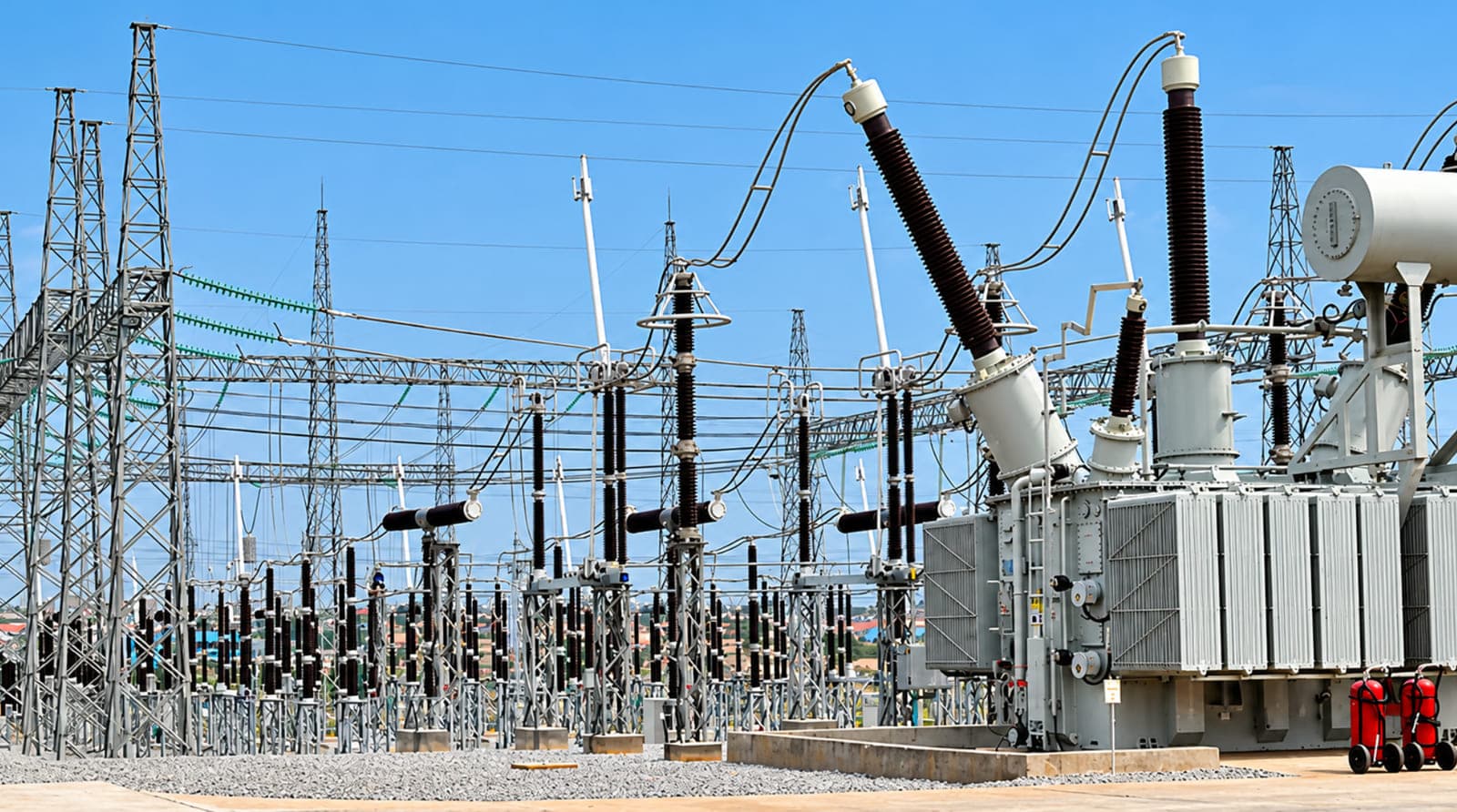
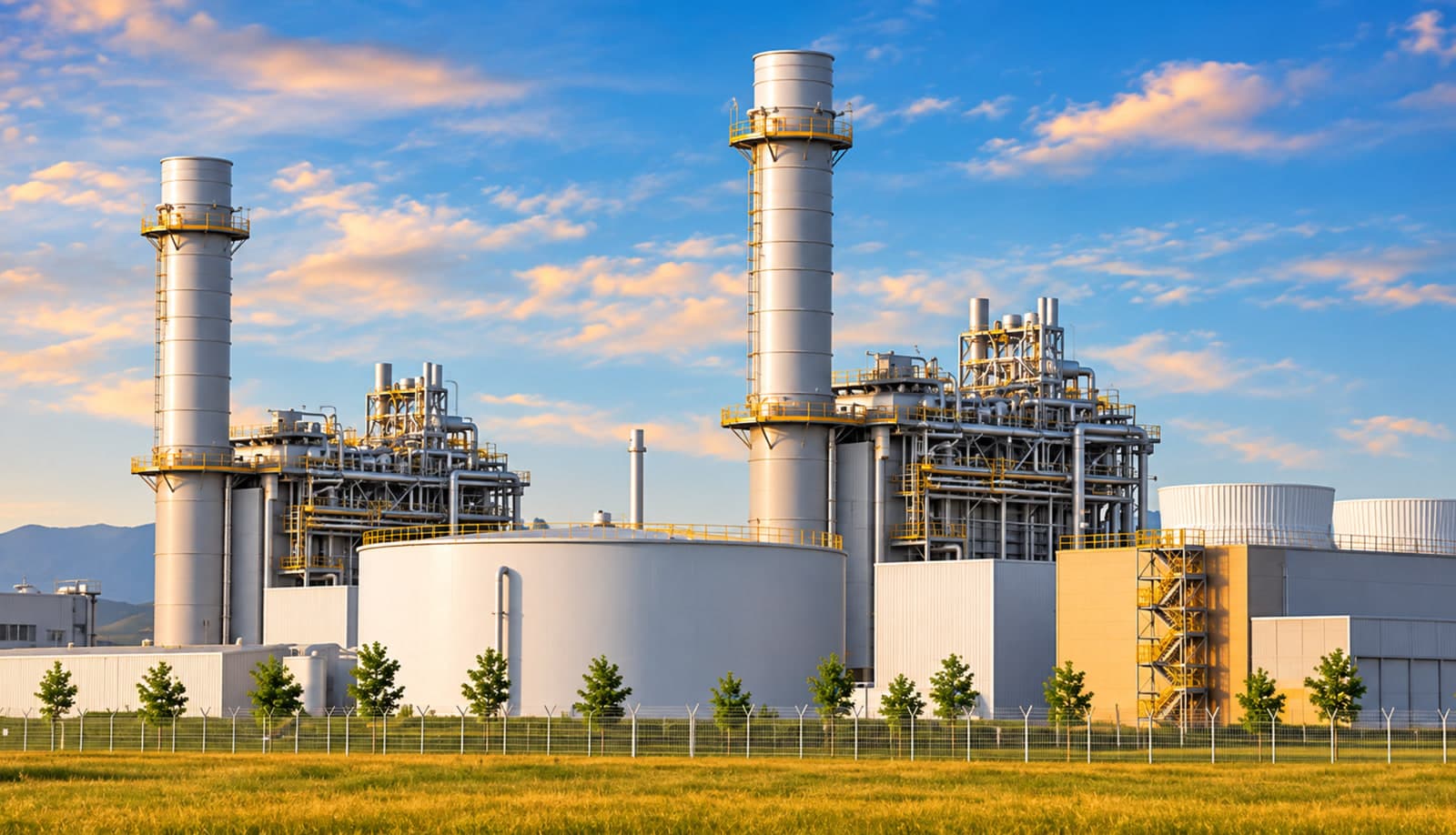
The plant has four gas turbines that can operate on natural gas, but without the necessary pipeline connections, it has been relying on diesel. The proposed conversion will involve LNG supply, storage and regasification facilities to get gas to the turbines.
The fuel bill is the main concern
"Libya has the gas resources. The challenge is getting that gas to the power stations that need it."
Delta United estimates that the switch could save Libya around $647 million annually. The company bases this calculation on diesel consumption of up to 4,200 tonnes a day. That is a substantial amount of money, although the projected saving has not been independently verified. LNG prices, transport costs and the expense of building the required infrastructure will all affect the final figure. The company also expects the change to reduce maintenance problems associated with running the turbines on diesel for extended periods.
Libya's gas resources need better connections
Libya has natural gas reserves, but getting that gas to electricity plants has not always been easy. Where pipeline connections are missing, power stations have to find other ways to keep generating electricity. Tobruk is a good example of this problem. The country has access to gas, yet one of its large power stations has been depending on diesel because the supply infrastructure is not in place. The conversion will only make financial sense if LNG can be delivered consistently and at a competitive price.
The cost question for African power producers
There is a wider issue here for African countries that still depend on diesel to keep their power stations running. Some existing plants may be able to use natural gas with the right upgrades. But converting them requires more than changing the fuel. Storage, pipelines, equipment modifications and dependable supply contracts all come at a cost.
For engineering and energy companies, these projects create opportunities in plant upgrades, gas infrastructure and equipment maintenance. For businesses, the interest is more practical. Electricity costs affect production, transport, mining and almost every part of commercial activity. If power producers can reduce their fuel bills without compromising supply, the benefits could extend beyond the electricity sector.
Libya now has to show that the numbers work. The $647 million saving is an estimate from Delta United. What matters is how much the country actually saves once the Tobruk plant starts receiving LNG.