Nigeria commits $2 billion to new power transmission network
Nigeria's electricity problems are not just about producing enough power. Getting that electricity to the places where it is needed has been just as difficult. The government is now putting $2 billion towards a new transmission project aimed at addressing that problem.
Nigeria
Nigeria's electricity problems are not just about producing enough power. Getting that electricity to the places where it is needed has been just as difficult. The government is now putting $2 billion towards a new transmission project aimed at addressing that problem.
AI-generated summary. It can miss nuance — read the full story above for the complete picture.
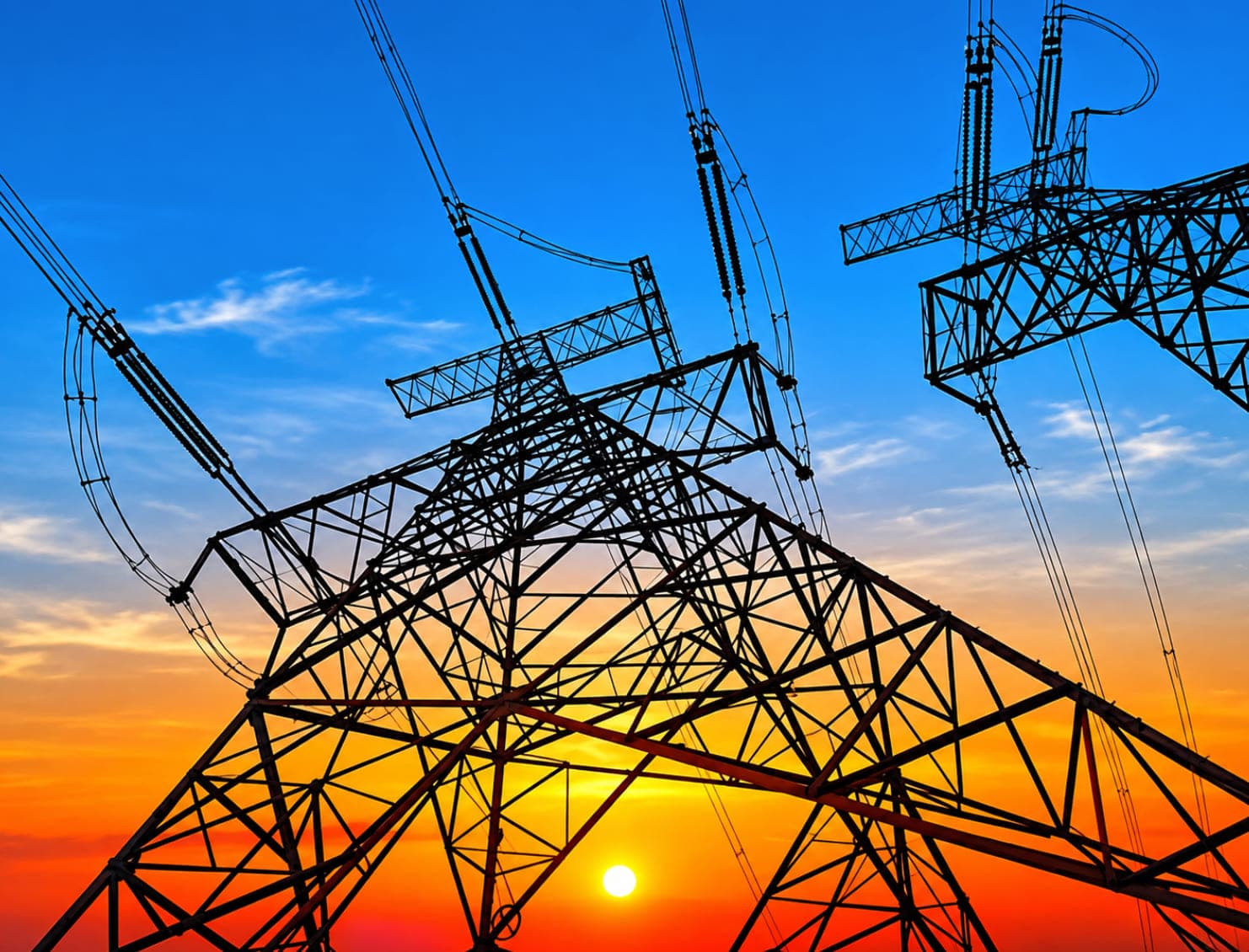
Nigeria's electricity problems are not just about producing enough power. Getting that electricity to the places where it is needed has been just as difficult. The government is now putting $2 billion towards a new transmission project aimed at addressing that problem. The proposed East-West Super Grid will connect six locations: Funtua, Gwagwalada, Ikot-Ekpene, Benin, Epe and Ilorin. It is designed to handle transmission capacity of up to 19,000MW, with construction expected to take between 18 and 24 months.
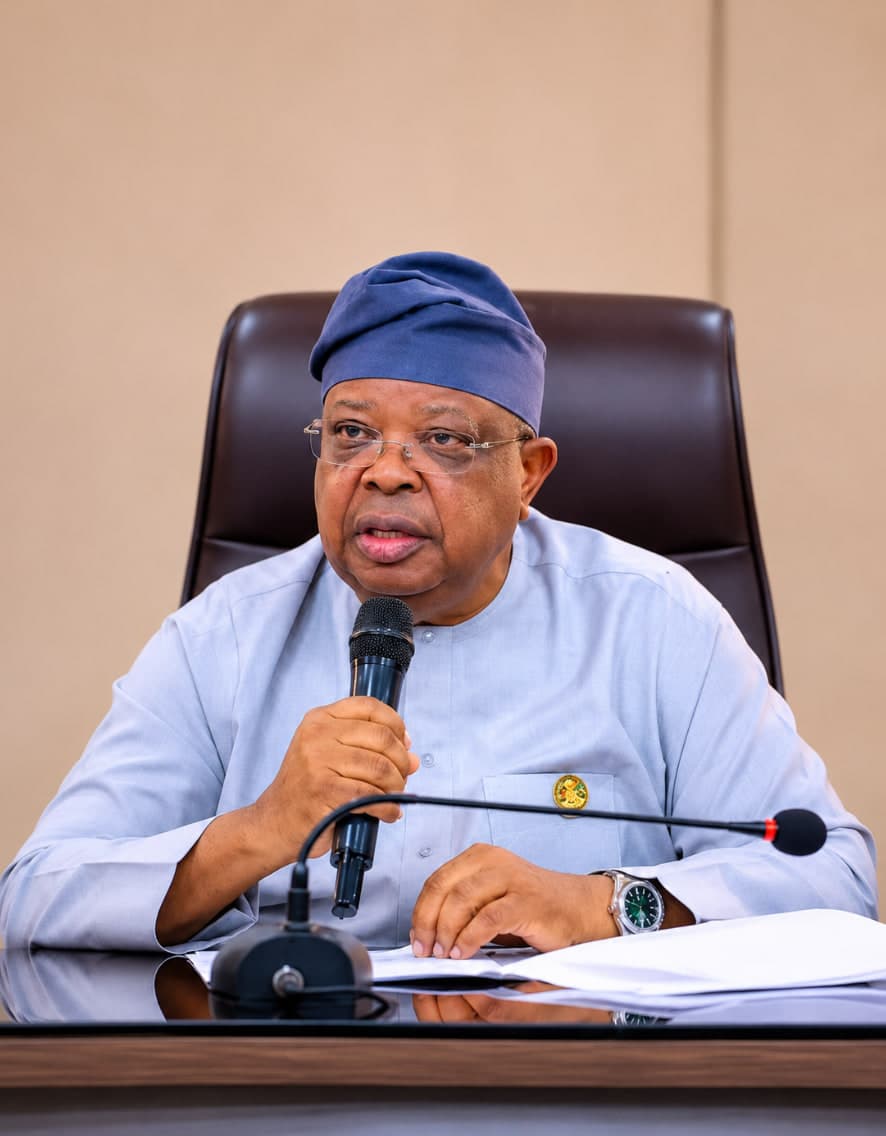
Minister of Power Olasunkanmi Tegbe confirmed the approval on 9 November 2026, saying procurement processes had started. The project is a sizeable investment in a part of the electricity sector that has often received less attention than power generation. Nigeria can have electricity available at its power stations, but that does not help much when the transmission network cannot move it reliably.
The existing grid is under pressure
"Money currently spent on diesel, petrol and generator repairs could instead go towards stock, staff, equipment or business expansion."
Nigeria's transmission infrastructure has been dealing with ageing equipment and technical faults. A recent government assessment identified problems with transmission towers, conductors, insulators and relays. The government is also looking at repairs to the Oshogbo-Ikeja West transmission line. Tegbe estimates that restoring the line could add around 400MW to the Lagos electricity network.
That matters in a city where factories, shopping centres, restaurants and smaller businesses regularly spend money on generators to keep operating. For many businesses, unreliable electricity means paying for grid power and maintaining a separate source of electricity. Fuel, servicing and equipment replacement all add to operating costs. The transmission project is intended to improve the movement of electricity across the country, but existing infrastructure will also need attention.
More transmission capacity will not fix generation shortages
Nigeria also has a problem at the power stations themselves. According to Tegbe, plants operated by the Niger Delta Power Holding Company have installed capacity of more than 3,000MW but are currently contributing around 400MW to national electricity supply.
Gas shortages, operational difficulties and financial constraints have affected their output. The government's outstanding payments to electricity generation companies are another concern. Tegbe said N1.23 trillion of approximately N3.3 trillion owed had been paid, leaving around N2 trillion outstanding. The government intends to settle the balance in 2027. Generation companies need these payments to maintain their plants and meet obligations to gas suppliers. Without reliable fuel and sufficient operating funds, there is a limit to how much electricity they can put into the grid.
This is an important issue for the Super Grid. A transmission network designed to carry more electricity still needs power stations capable of supplying it.
Contractors and equipment suppliers could benefit
The project could create opportunities for companies involved in high-voltage transmission lines, electrical engineering, tower construction, transformers and grid maintenance. International engineering firms and local contractors are likely to watch the procurement process closely, particularly given the size of the proposed investment.
Nigeria's electricity market has also changed following the Electricity Act of 2023, which allows state governments and private companies to participate in different parts of the electricity value chain. Lagos, Ogun, Abia and Enugu are among the states exploring independent power projects, mini grids and gas-fired electricity generation.
Greater private sector involvement in transmission is also part of the government's plans over the next two to three years. For suppliers, the important details will be which companies secure the contracts, how the project is financed and whether construction stays within the proposed timeframe.
What this means for SMEs
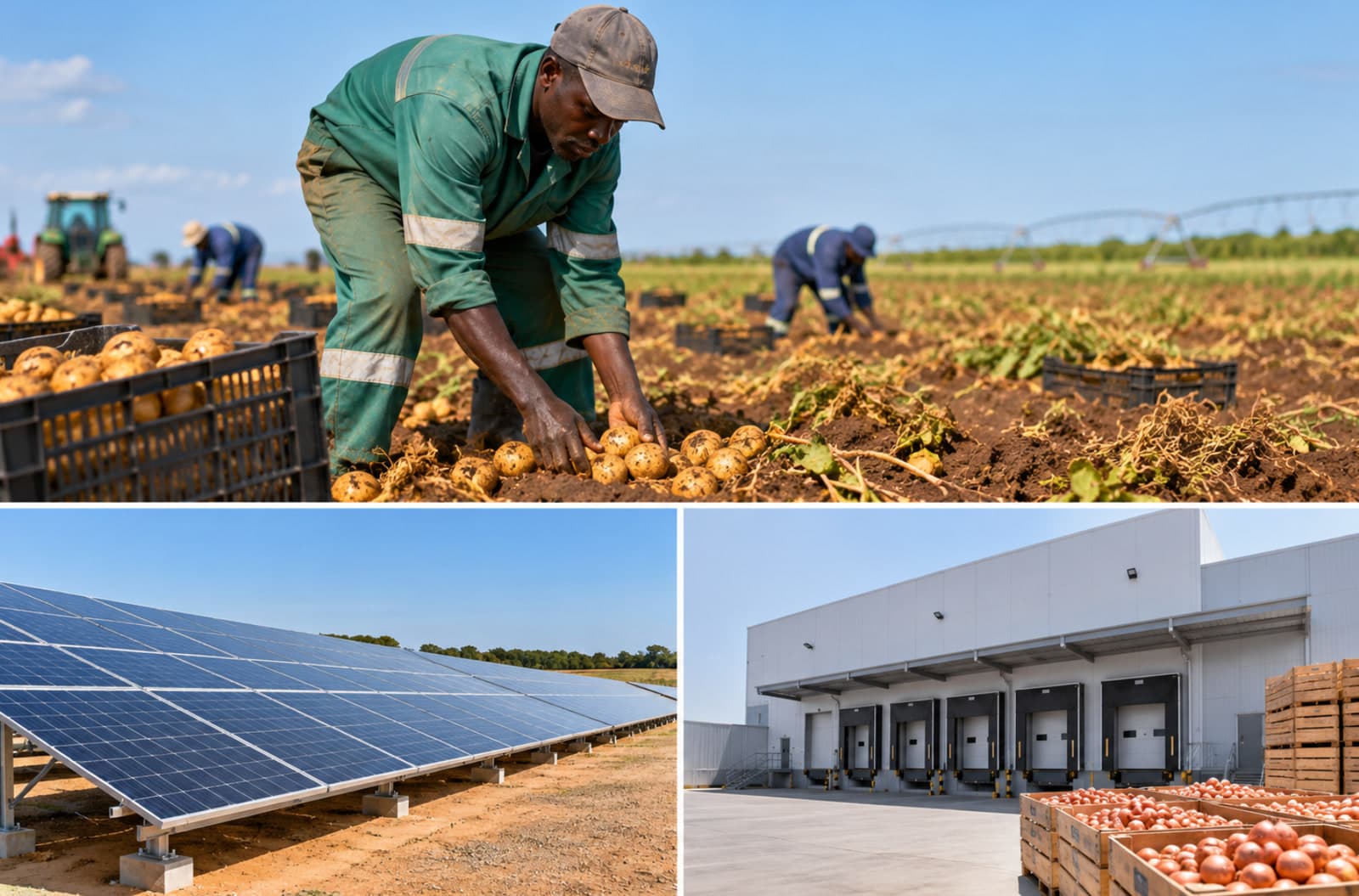
Small businesses often feel the cost of unreliable electricity more directly than large companies. A small food manufacturer, cold-storage operator, restaurant or retail shop cannot always afford an expensive backup power system. When electricity goes off, production can stop, stock can spoil and customers may have to be turned away. Businesses that depend on generators also have to factor fuel and maintenance into their monthly expenses.
If the Super Grid improves electricity supply, SMEs could benefit from fewer interruptions and lower spending on alternative power. Manufacturers could run equipment for longer, food businesses could spend less on keeping refrigeration running, and smaller retailers could operate with fewer disruptions. There could also be opportunities for local SMEs supplying electrical components, construction materials, transport, equipment maintenance and other services to contractors working on the project.
However, smaller suppliers will need to know how procurement will work and whether contracts will be accessible to local businesses rather than being concentrated among large engineering firms. For business owners, the bigger benefit would be having more predictable electricity costs. Money currently spent on diesel, petrol and generator repairs could instead go towards stock, staff, equipment or business expansion.
That will depend on whether the new infrastructure translates into a more reliable supply at business premises. A large transmission project does not automatically mean cheaper electricity for customers.
Businesses will be watching the delivery
For Nigerian businesses, the cost of unreliable electricity is familiar. Manufacturers deal with production interruptions, retailers spend money keeping refrigerators running and smaller operators often rely on petrol or diesel generators. A more capable transmission network could help reduce some of these problems, but only if more electricity is available from generating plants and distribution companies can deliver it to customers.
The government therefore has several jobs to tackle alongside the new project: repair existing lines, improve power station output, address gas shortages and settle outstanding payments in the electricity market. The $2 billion commitment is significant, particularly for companies involved in energy infrastructure. But for SMEs, the measure of success will be much simpler: fewer hours without electricity, lower generator expenses and more money available to run their businesses.