Africa has its own car brands, but getting them on the road is not easy
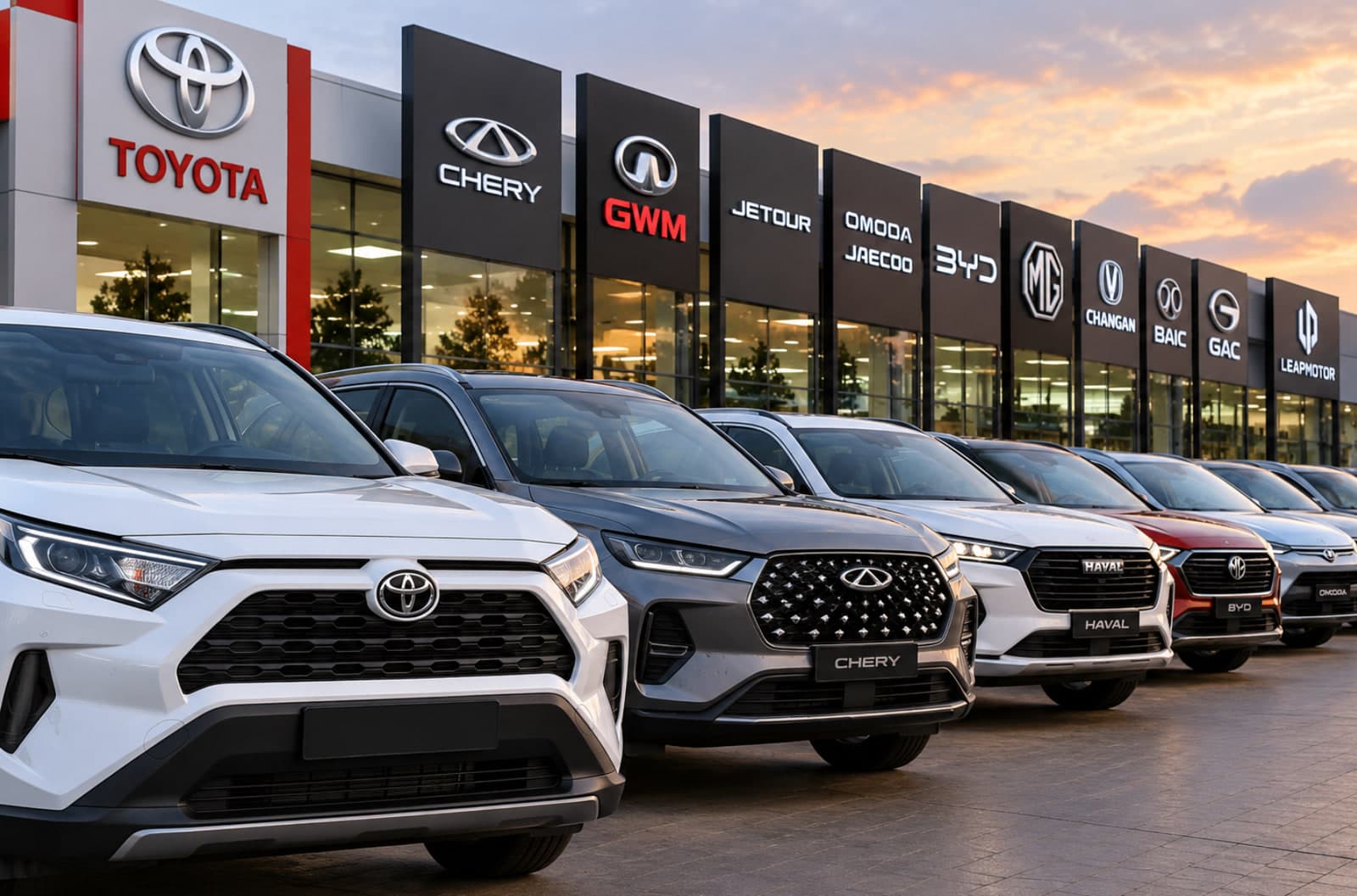
When people talk about the African automotive market, the conversation usually turns to Toyota, Volkswagen, Ford, Nissan and the growing number of Chinese brands entering the continent.
Africa
When people talk about the African automotive market, the conversation usually turns to Toyota, Volkswagen, Ford, Nissan and the growing number of Chinese brands entering the continent.
AI-generated summary. It can miss nuance — read the full story above for the complete picture.
When people talk about the African automotive market, the conversation usually turns to Toyota, Volkswagen, Ford, Nissan and the growing number of Chinese brands entering the continent. There is less attention on the companies trying to build cars under African names. Nigeria has Innoson Vehicle Manufacturing and Nord Automobile. Ghana has Kantanka, Uganda has Kiira Motors, and Kenya has Mobius Motors. In North Africa, there are companies such as Morocco's Laraki, Tunisia's Wallyscar, Algeria's SNVI and Egypt's El Nasr.
Their products are quite different. Some make passenger cars and SUVs, others concentrate on buses and trucks, while a few operate in the specialist sports car market. But they all face a difficult question: how do you build a vehicle business in a market where customers already have plenty of established brands to choose from?
Nigeria's Innoson and Nord are competing for local buyers
"Building a vehicle gets a manufacturer into the market. Selling it, servicing it and making money from it keeps the business alive."
Innoson Vehicle Manufacturing (IVM) has built a range that includes SUVs, pickup trucks, buses and commercial vehicles. Nord Automobile also sells vehicles under its own brand, including passenger cars, SUVs and utility models. Both companies are operating in a country where imported vehicles, particularly used cars, remain a familiar choice for buyers.
That means local manufacturers have to give customers a reason to consider something different. The price has to make sense, but so do reliability, fuel consumption, spare parts and the availability of service centres.
Ghana and Uganda are taking different approaches
Ghana's Kantanka Automobile has developed its own range of passenger vehicles and SUVs. The company has spent years trying to establish a local vehicle brand in a market where international manufacturers have a much stronger presence. Uganda's Kiira Motors Corporation has taken a more focused route through buses and electric mobility. Its Kayoola range includes buses intended for public transport.
The focus on buses gives Kiira a different customer base from a company trying to sell individual cars. Transport operators and fleet buyers can be important customers, particularly when vehicles are being considered for public transport services.
Mobius Motors shows how tough the market can be
Kenya's Mobius Motors built its business around a simple proposition: make practical SUVs for African roads. The company attracted attention, but keeping the business running proved difficult. Financial problems eventually led to its acquisition by Silver Box in 2025, with plans announced to resume operations.
Its experience is worth considering because developing a vehicle and running a profitable manufacturing operation are two very different things. A manufacturer needs money to keep production going, suppliers who can deliver components on time and enough customers to justify the cost of making the vehicles.
North Africa has manufacturers beyond passenger cars
The automotive industry in North Africa includes several companies with different areas of focus. Morocco's Laraki is associated with luxury sports cars, while Tunisia's Wallyscar has developed vehicles under its own brand.
Algeria's SNVI is focused on commercial and industrial vehicles, including trucks and buses. Egypt's El Nasr Automotive Manufacturing Company has a long history in vehicle production and assembly. These businesses operate in different parts of the market. Their success should not be measured by the same standards, particularly when comparing a specialist sports car maker with a company producing commercial vehicles.
South Africa's smaller sports car market
South Africa also has homegrown names in the automotive industry. Birkin Cars is known for its lightweight sports cars, particularly the Birkin S3. Harper Sports Cars is another name featured in the country's specialist sports car market. They are not mass-market manufacturers competing for the same customers as Toyota or Volkswagen. Their business is built around a much smaller group of buyers interested in specialist vehicles.
The real test comes after production
For these companies, getting a vehicle built is only one part of the business. A customer buying a car will want to know where to take it for a service, whether replacement parts are available and how much repairs will cost. If those answers are not clear, it becomes difficult to convince buyers to move away from established brands.
Production costs are another problem. Many African manufacturers work with smaller volumes and depend on imported components. This can make it difficult to compete on price with companies producing vehicles in much larger numbers. There is also the challenge of building a dealership and service network. Selling a few vehicles is one thing; supporting hundreds or thousands of customers across different cities is another.
Local brands need customers, not just attention
Africa has no shortage of automotive ideas or companies willing to put their names on vehicles. What is harder is building a business that can produce consistently, sell at a competitive price and keep customers coming back. For manufacturers such as Innoson, Nord, Kantanka and Kiira, the domestic market offers a place to grow. But long-term growth will depend on production costs, customer confidence and the ability to provide support after a sale. The question is no longer simply whether African companies can build their own vehicles. It is whether they can sell enough of them, make money and stay in business.