Okra Solar gets $7 million to expand in Nigeria – could rural businesses benefit?
A generator is another expense for a small business that cannot rely on the electricity grid. There is fuel to buy, servicing to pay for and the occasional repair when the machine stops working.

Okra
A generator is another expense for a small business that cannot rely on the electricity grid. There is fuel to buy, servicing to pay for and the occasional repair when the machine stops working.
AI-generated summary. It can miss nuance — read the full story above for the complete picture.
A generator is another expense for a small business that cannot rely on the electricity grid. There is fuel to buy, servicing to pay for and the occasional repair when the machine stops working. For a grocery shop, butcher or small workshop, these costs can make it more expensive to operate. Some business owners also avoid buying equipment because they know they will have to spend more money keeping it running.
Nigerian clean-energy company Okra Solar has secured a $7 million debt facility from British International Investment (BII) to expand its electricity connections in rural Nigeria. The company uses mesh-grid technology to supply electricity to communities that are not adequately served by the national grid. The funding will support its expansion, although the commercial opportunity goes beyond connecting more homes. Rural businesses are also potential customers, particularly those that need electricity to operate equipment, refrigerate products or extend their trading hours.
The generator is part of the monthly budget
"Every rand or naira spent keeping a generator running is money a small business cannot put towards stock, equipment or expansion."
For businesses operating outside major towns, electricity can be a difficult expense to manage. A shop selling frozen food needs freezers running throughout the day. A small welding business needs power for its equipment, while a salon relies on electricity to operate hairdryers and other appliances. Where grid electricity is unavailable or unreliable, generators become part of the business. The owner has to budget for fuel and maintenance, regardless of how much money the business makes that month.
There is also the risk of losing stock when a generator breaks down or runs out of fuel. For businesses handling food and other perishable products, that can mean losing money on goods they have already paid for. This is the type of customer Okra Solar could reach as it expands its rural electricity network.
A different way of supplying electricity
Extending the conventional electricity grid to remote communities can be expensive. Some areas have too few customers to justify the cost of building traditional infrastructure over long distances. Okra Solar's mesh grid model offers another approach. Its technology connects decentralised electricity systems to serve communities that are outside the reach of reliable grid supply.
The $7 million facility from BII will help the company extend its operations in Nigeria. For the company, expansion means reaching more customers. For those customers, the decision to connect will largely come down to cost and reliability. A shop owner spending money on generator fuel will want to know whether switching to a solar-powered connection will actually reduce monthly expenses. A business that needs electricity for machinery will also want to know whether the supply can handle its requirements. These are practical considerations that will influence whether small businesses sign up.
There could be work for smaller suppliers
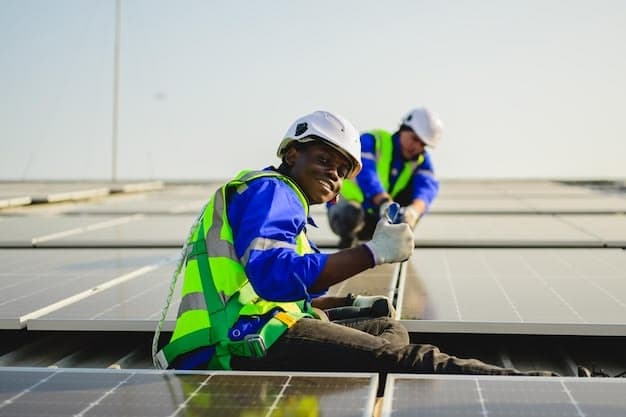
The expansion of rural electricity networks also requires people to install and maintain the equipment. This creates potential work for electricians, solar technicians, transport operators and businesses supplying electrical components. Smaller contractors based in the communities where projects are developed could also find opportunities providing installation and maintenance services.
However, whether they benefit will depend on how Okra Solar sources its suppliers and manages its projects. There is another opportunity on the customer side. Farmers and food traders could use electricity to store produce for longer. Small food-processing businesses could invest in machinery, while retailers could expand the products they sell if refrigeration becomes affordable. These businesses would still need money to purchase equipment and enough customers to justify the investment. Electricity alone will not solve those challenges.
Affordability will decide whether businesses switch
For a small business owner, the decision to connect to a new electricity service is a financial one. If the connection fee is high or monthly tariffs are expensive, some businesses may continue using generators. Energy providers also have to recover the costs of installing and maintaining their networks. Serving rural communities with relatively low electricity demand can make this difficult.
Okra Solar will therefore need to balance the cost of expanding its network with what households and businesses can afford to pay. The company has secured $7 million to support its next phase of expansion in Nigeria. What remains to be seen is how many small businesses will connect and whether the cost of using the service will make it worthwhile.
For rural entrepreneurs, the calculation is simple: if electricity costs less and stays available, there may be room to spend money on equipment, stock and other parts of the business instead of keeping a generator running. That is where the commercial value of rural electrification will become more apparent.