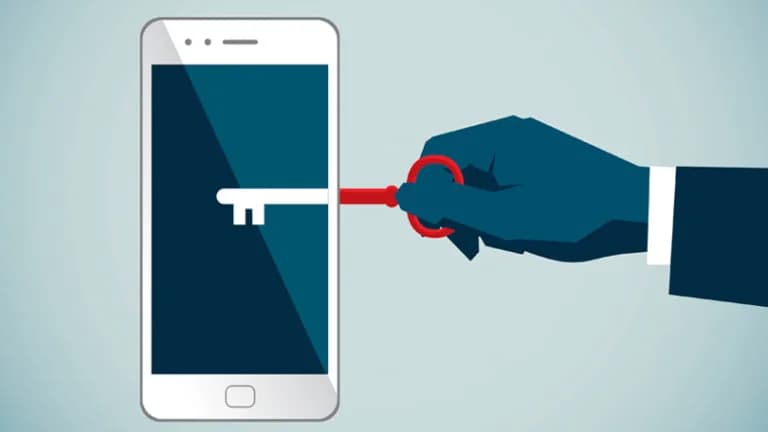
How to safeguard VOIP communications
VOIP technology has revolutionised telecommunications, as it offers cost-effective and flexible solutions for all kinds of businesses. But the convenience of VOIP also comes with the potential for security vulnerabilities that can compromise sensitive information and communications. In 2022 research showed that there is a rise in attacks that are targeting VOIP providers. The total
How to safeguard VOIP communications
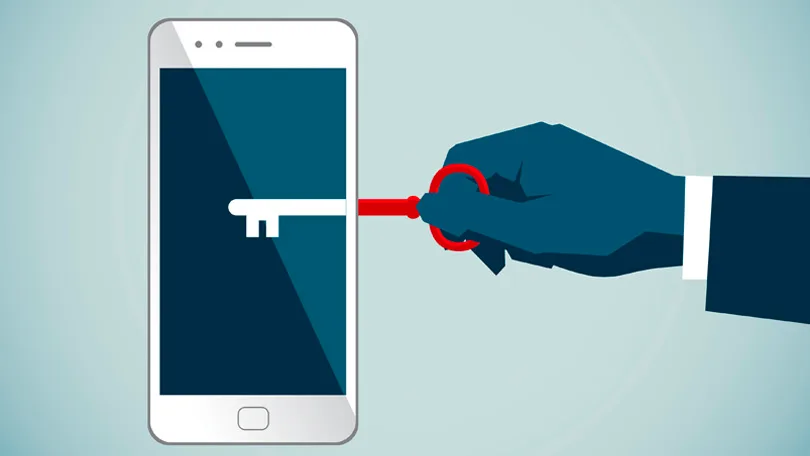
VOIP technology has revolutionised telecommunications, as it offers cost-effective and flexible solutions for all kinds of businesses. But the convenience of VOIP also comes with the potential for security vulnerabilities that can compromise sensitive information and communications.
In 2022 research showed that there is a rise in attacks that are targeting VOIP providers. The total number of DDOS attacks in South Africa last year was an 6.4 million. Even though the number of SIP attacks are relatively small – reportedly less than 2% – they are becoming increasingly common these days, with reports of frequent DDOS attacks being reported in the news.
Below are some of the recommended steps to take to guard against an attack, to make sure your VOIP provider is giving you and your customers adequate protection.
1. Encryption
Encryption involves scrambling the voice data during transmission to prevent eavesdropping and interception by unauthorised parties. Find VOIP providers that offer encryption protocols such as secure real-time transport protocol (SRTP) and transport layer security (TLS) to make sure that you have secure communications.
2. Firewall
This is a security system that monitors and controls incoming and outgoing network traffic based on predetermined security rules. Implementing it can help protect your VOIP system from unauthorised access, denial of service attacks and other malicious activities.
3. Access controls
Access controls are measures that restrict access to your VOIP system to authorised users only. For them, you have to make sure that you use strong passwords and multifactor authentication (MFA) to prevent unauthorised access to your VOIP system. Limit the number of users who have access to sensitive information and ensure that employees understand the importance of protecting their login credentials.
4. Updates and patches
Normally, VOIP systems require regular updates and patches to fix security vulnerabilities and bugs. This is why you have to make sure that your VOIP system is up to date with the latest software updates and security patches. Consider using a VOIP provider that automatically updates and patches your system to ensure the highest level of security.
5. VOIP provider security
When choosing a provider, consider their security measures and protocols. Make sure that it uses secure data centres, encryption protocols and access controls to protect your data and communications. Look for providers that offer compliance with industry standards such as PCI DSS and POPIA according to your industry.