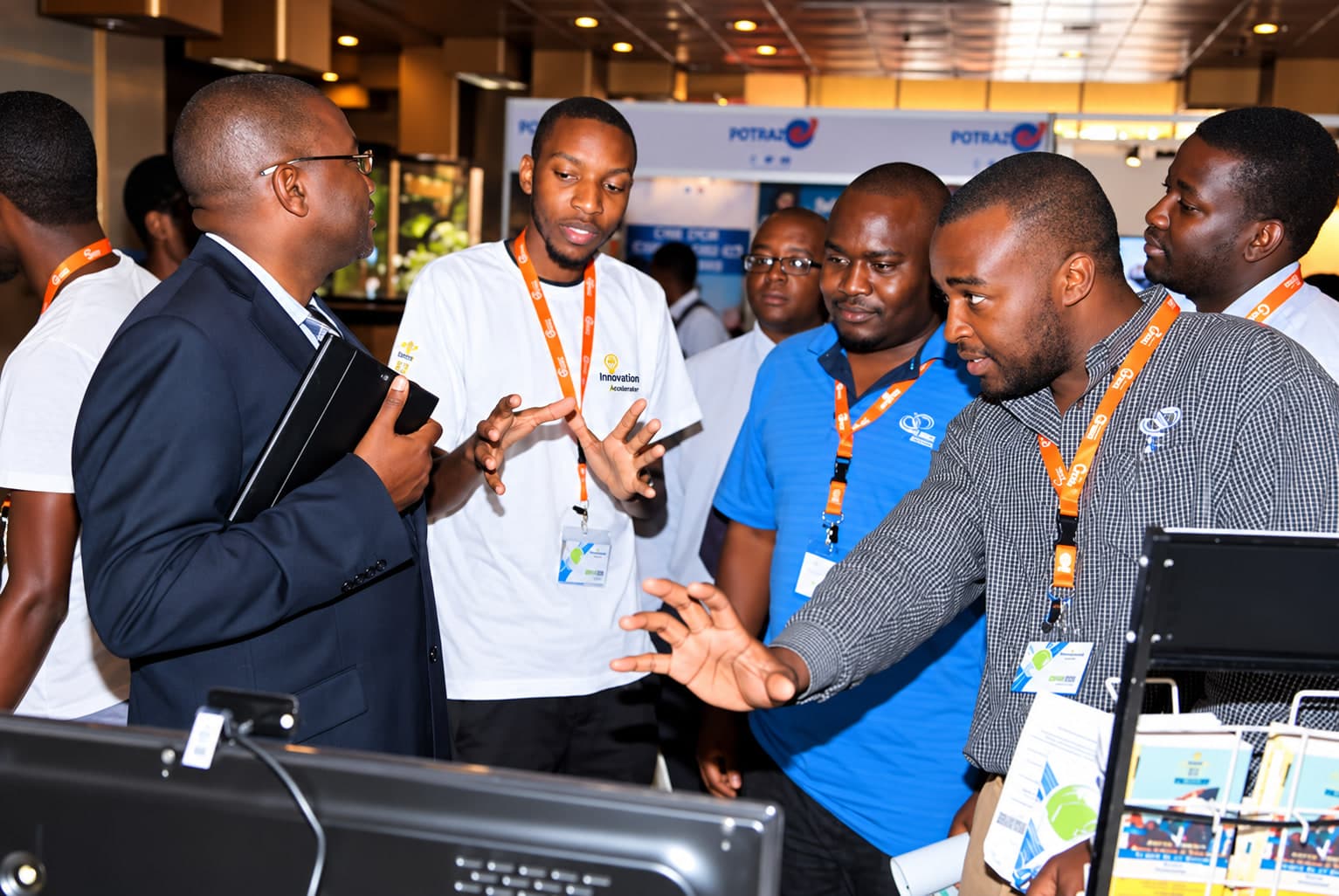
NetOne Launches 10 Mobile Telehealth Kiosks Across Zimbabwe
NetOne has launched 10 mobile health kiosks across Zimbabwe’s provinces as the telecommunications operator expands its telehealth programme beyond fixed community sites. The first phase forms part of a longer-term plan that could increase the fleet to 100 units.
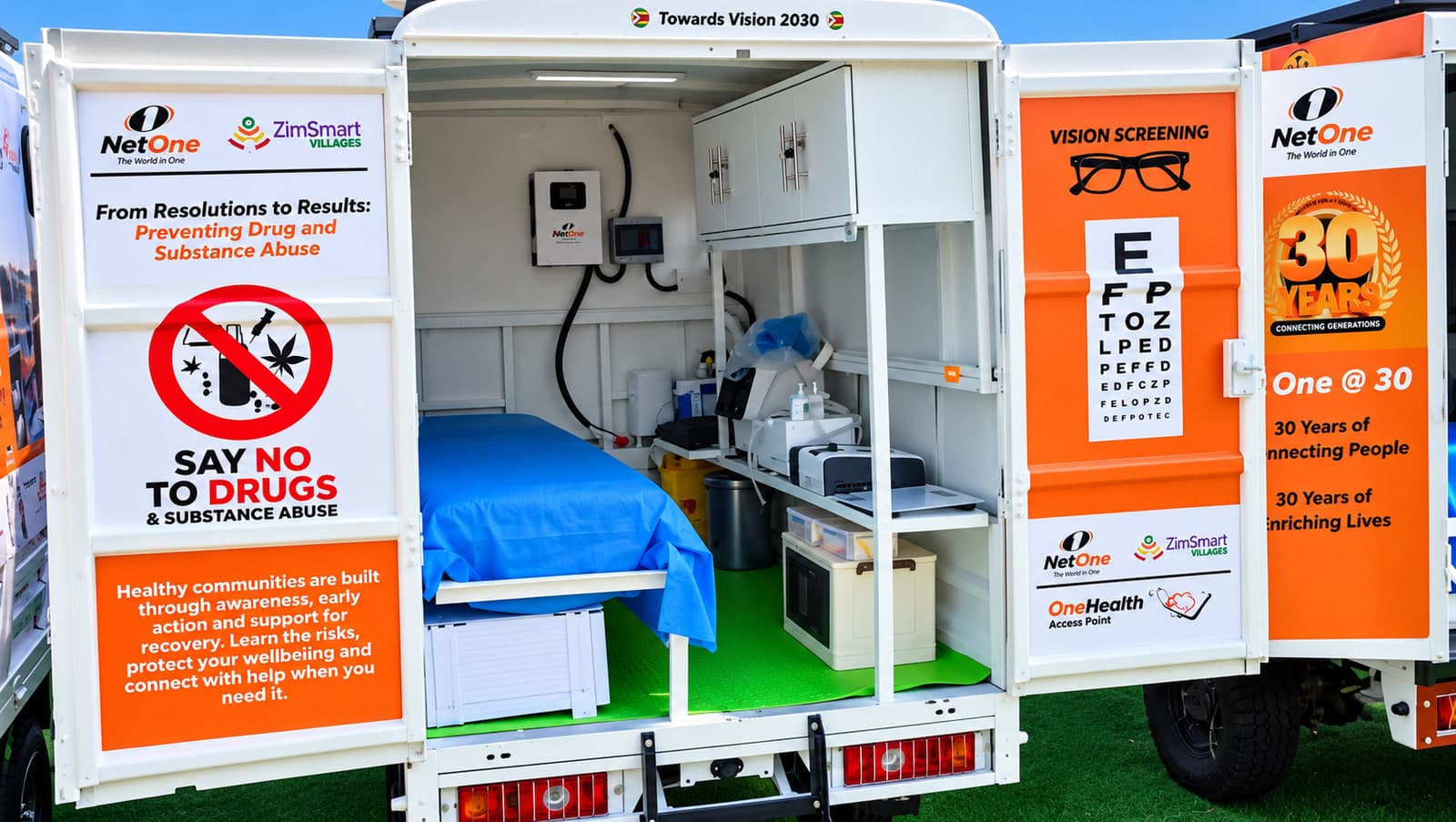
Mobile Telemedicine Clinic Van
NetOne has launched 10 mobile health kiosks across Zimbabwe’s provinces as the telecommunications operator expands its telehealth programme beyond fixed community sites. The first phase forms part of a longer-term plan that could increase the fleet to 100 units.
The three-wheeler kiosks were launched in Chinhoyi on 17 October during the 23rd ZANU PF People’s National Conference. Each of Zimbabwe’s 10 provinces has been allocated one unit, according to reports by The Herald and TechnoMag. The proposed 100-kiosk fleet remains a future target; only the initial 10 units have been announced for this phase.
How the mobile health kiosks will work
The kiosks are designed to bring basic health services closer to communities that face challenges accessing clinics and medical professionals. Reports from the launch describe the vehicles as solar-powered and connected through Starlink satellite internet, although a full technical specification and operating schedule have not yet been published.
The proposed model combines on-site support from nurses and community health workers with remote consultations involving clinicians. Staff can assess patients, conduct approved screenings, provide health information and refer people who require further examination or treatment to established health facilities.
Planned services include blood-pressure and blood-glucose checks, maternal and child health support, malaria services, HIV and tuberculosis support, and the early identification of certain cancers and substance-abuse concerns. The services available at each location will depend on clinical protocols, staffing, medical supplies and referral arrangements.
NetOne is supporting the rollout through its OneHealth initiative. ZimSmart Villages provides the digital-health and operational framework, while the ZANU PF Department of Health has been identified as a partner in the programme.
Building on earlier telehealth projects
The mobile rollout extends work already undertaken through fixed telehealth sites associated with NetOne and ZimSmart Villages. Previous projects have been reported in locations including Mhangura, Ntunungwe in Bulilima and Gokwe-Nembudziya.
The move to mobile units could allow health workers to reach communities beyond the immediate catchment areas of existing sites. It also gives the partners an opportunity to test whether the same service model can operate across provinces with different distances between settlements, levels of connectivity and access to health facilities.
However, deploying one kiosk in each province does not guarantee regular access for every community. The programme’s reach will depend on where the vehicles operate, how frequently they return and whether residents can find out when services will be available.
Staffing, referrals and connectivity remain critical
The first phase will need clear operating arrangements if the kiosks are to provide a dependable service. NetOne and its partners have not yet publicly detailed the routes each vehicle will follow, its operating hours or the number of communities it will serve.
Staffing is another key issue. The model relies on nurses and community health workers, supported by remote clinicians, but public reporting has not fully explained how personnel will be assigned, how absences will be covered or which facilities will receive patients referred from the kiosks.
Referral and follow-up procedures will be equally important. Screening can identify a possible health problem, but patients still need access to diagnostic tests, treatment and continued care. The programme will require working arrangements with local clinics and hospitals, alongside safeguards for patient records and confidential consultations.
Satellite connectivity and solar power could help the units operate in areas with unreliable broadband or electricity. They will not, however, eliminate the need for equipment maintenance, technical support, medical consumables and secure handling of health information.
What the first 10 kiosks need to demonstrate
The partners have not announced a deployment timetable for the remaining 90 units. Results from the initial fleet could help establish whether expanding the programme would improve access to care and justify the additional investment.
Useful performance measures would include the number of communities visited, patients screened, successful remote consultations, referrals completed and follow-up appointments attended. Reporting equipment downtime, operating costs and the travel time or expense saved by patients would also help assess the programme’s practical value.
Patient privacy must remain central to the model, particularly during consultations involving HIV, tuberculosis, reproductive health and other sensitive concerns. Residents should understand how their information is handled, whether consultations carry a fee and what happens when a connection fails or a patient needs urgent treatment.
Mobile kiosks can extend the reach of health workers, but they cannot replace hospitals and clinics. Patients may still need physical examinations, laboratory testing, emergency care or treatment that a three-wheeler unit cannot provide.
NetOne has deployed 10 mobile health kiosks, allocating one to each of Zimbabwe’s 10 provinces. The company has outlined plans to expand the fleet to 100 units, although it has yet to announce a timeline for the additional deployments.