
NuRAN activates 29 towers as it builds its power business
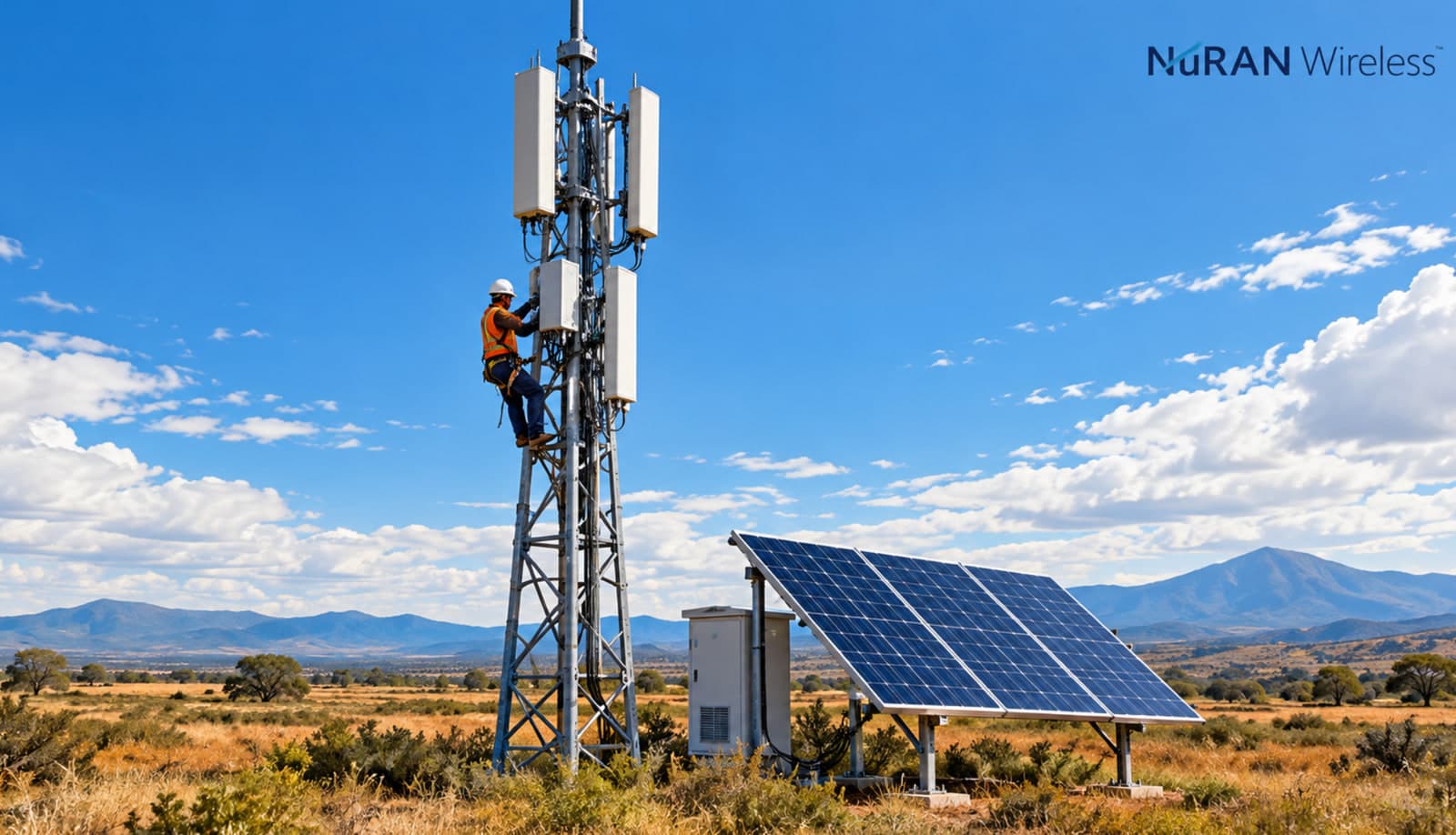
NuRAN Wireless has activated 29 mobile towers in October and is working on a separate business to supply power to its telecoms sites. The company’s NuEnergy platform is being developed around solar power, batteries and hybrid energy systems.
NuRAN
NuRAN Wireless has activated 29 mobile towers in October and is working on a separate business to supply power to its telecoms sites. The company’s NuEnergy platform is being developed around solar power, batteries and hybrid energy systems.
AI-generated summary. It can miss nuance — read the full story above for the complete picture.
NuRAN Wireless has activated 29 mobile towers in October and is working on a separate business to supply power to its telecoms sites. The company’s NuEnergy platform is being developed around solar power, batteries and hybrid energy systems. The power side of the business is worth watching. A rural mobile tower may connect a community to a network, but keeping it online can mean dealing with unreliable electricity, servicing equipment and getting replacement parts to remote locations.
That work costs money, and it requires suppliers. NuRAN has contracts covering more than 5,000 towers with Orange and MTN across eight African countries. It expects those agreements to generate more than US$900 million over five to ten years. That is projected revenue across the contracts, rather than income already earned from all the sites.
For local businesses, the unanswered question is how much of the work will go to suppliers in the countries where the towers are being deployed.
“The question for local suppliers is simple: will NuRAN buy from businesses in the countries where it is building its network?”
The business behind the signal
Solar installers, electrical contractors and battery suppliers are among the businesses that could be relevant to NuRAN’s expansion. Once a site is running, it also needs inspections, repairs and replacement equipment.
But being in the right industry does not guarantee a contract. NuRAN has not publicly set out which local suppliers it intends to use for the latest tower activations, or whether it is inviting small businesses to tender.
A contractor interested in the work needs to know who makes purchasing decisions. NuRAN may buy some services directly, while other work could be handled by engineering or installation companies. That distinction determines whom a small business should approach. There is also the cost of getting started. A supplier may need to buy equipment, pay workers and arrange transport before receiving payment. For a small company, a large order can create cash-flow problems if the payment terms are unfavourable.
Could NuEnergy find customers nearby?
NuEnergy is also exploring the possibility of supplying electricity to businesses, households and community facilities near its sites. If the model proves commercially viable, it could give the company customers beyond the telecoms industry. There is no confirmed, detailed rollout plan for these community power services yet. For now, the clearest area to examine is the electricity infrastructure needed to operate NuRAN’s own network.
The company’s tower expansion gives local suppliers a reason to ask questions, but it does not tell them how much work is available or who will receive it.
The next useful detail would be a procurement plan: which markets NuEnergy will serve first, what equipment and services it needs, and how local companies can apply to become suppliers. Until then, the opportunity for African SMEs remains possible, but unconfirmed.