Green Climate Fund puts $140 million behind Southern African projects – what could SMEs gain?
A small engineering company in the Eastern Cape may not have the capacity to build a green ammonia plant, but it could have the equipment, staff or experience to supply some of the work around it.
Green Climate
A small engineering company in the Eastern Cape may not have the capacity to build a green ammonia plant, but it could have the equipment, staff or experience to supply some of the work around it.
AI-generated summary. It can miss nuance — read the full story above for the complete picture.
A small engineering company in the Eastern Cape may not have the capacity to build a green ammonia plant, but it could have the equipment, staff or experience to supply some of the work around it. That is one of the possible business opportunities emerging from a new $140 million investment in industrial projects across South Africa and Namibia.
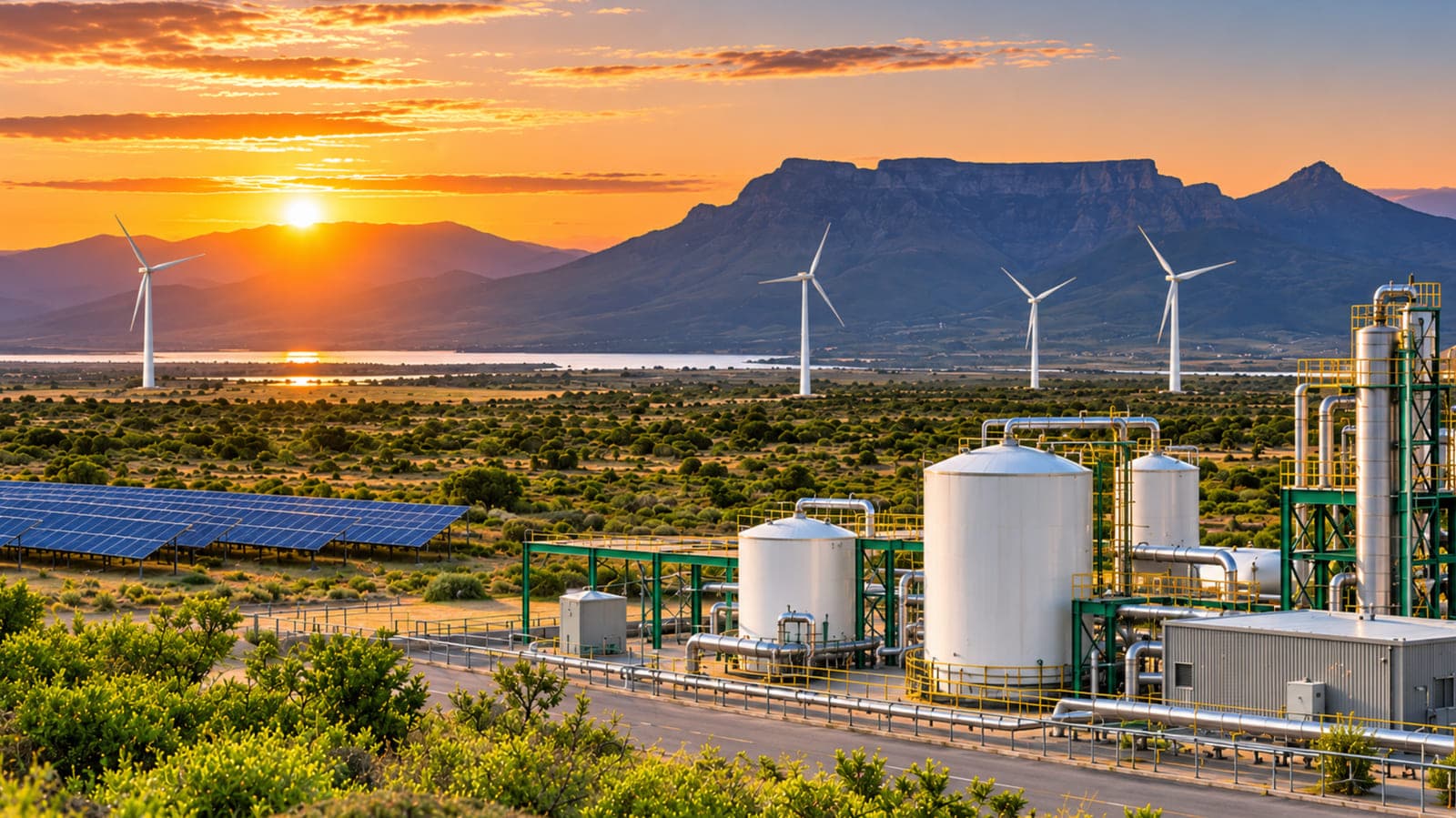
The Green Climate Fund has approved the financing for Climate Fund Managers' Climate Investor Three facility. South Africa will receive $84 million, while Namibia has been allocated $56 million. The investment will support projects involving green hydrogen, green ammonia, green methanol and other industrial developments. Climate Investor Three is targeting a total fund size of $1.2 billion, with plans to invest in between 30 and 40 projects. For smaller businesses, the amount of money involved is difficult to relate to their day-to-day operations. What matters more is the work that will be needed to build and operate these facilities.
Coega is one of the projects to watch
“Large industrial projects need more than investors. They also need local companies to supply equipment, transport materials and provide services during construction.”
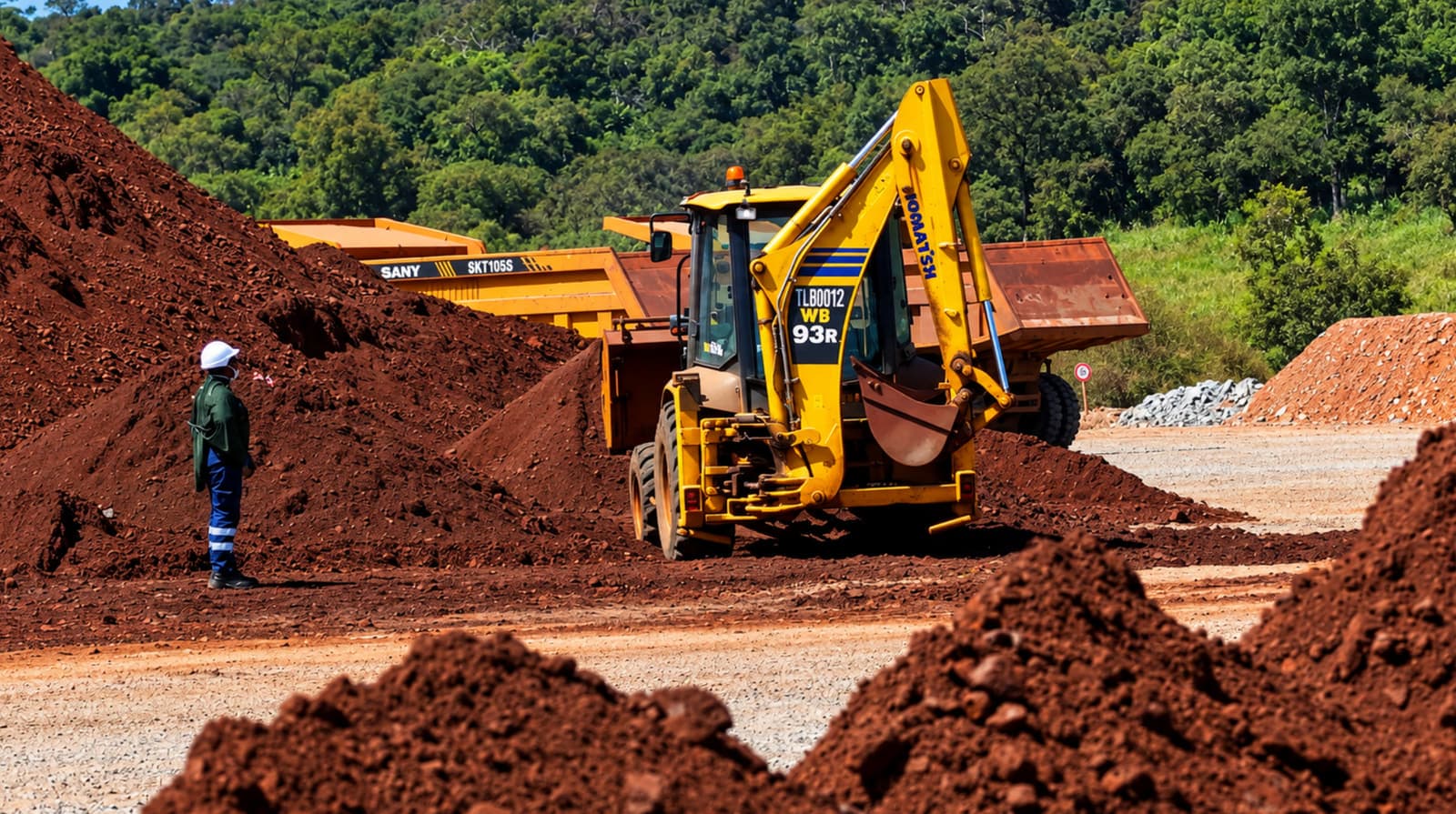
In South Africa, the SA-H2 Fund is backing developments that include Hive Hydrogen's planned green ammonia project at Coega and Green eFuels Producers' proposed facility to produce green methanol from wastewater. Projects of this size need specialist contractors, but they also depend on a network of suppliers.
That can include companies providing electrical installations, metal fabrication, transport, construction materials, equipment hire and maintenance. There will also be demand for services such as security, cleaning and catering during construction. Some of this work may be suitable for smaller businesses already operating in the Eastern Cape and other industrial areas. However, no SME contracts have been announced as part of the $140 million approval. The opportunities will depend on the projects moving forward and the procurement decisions made by their developers and contractors.
Where the money is going
The Green Climate Fund's approval is not a direct funding offer to small businesses. The $84 million allocated to South Africa will go towards the construction equity tranche of the SA-H2 Fund. Namibia's $56 million allocation is split between $15 million for project development and $41 million for construction equity through SDG Namibia One.
The funding is intended to support project development and help attract further investment. The Development Bank of Southern Africa will oversee the programme as the Green Climate Fund's accredited entity. SMEs looking for finance to buy vehicles, machinery or stock will therefore need to approach other funding providers. This investment is aimed at the industrial projects themselves.
Getting the work may be harder than finding it
Smaller suppliers often struggle to meet the requirements of large industrial customers. A company may have the skills to do electrical or fabrication work but not the certifications, insurance or track record required by a major contractor. Others may be able to handle an order but lack the cash to pay workers and purchase materials while waiting for payment.
These are practical issues that can keep smaller businesses out of large projects, even when they have the relevant services. For SMEs interested in the Coega developments, it will be worth finding out which companies are responsible for construction and how they register suppliers. Waiting until work starts could mean missing earlier procurement opportunities.
Namibia is also receiving investment
The funding will support projects in Namibia, including Hyphen's green hydrogen development, HyIron's Oshivela green iron project, Zhero Molecules' proposed green ammonia facility in Walvis Bay and Dâures' green fertiliser project. These developments will require local services and suppliers as they progress. Businesses with the right equipment and experience may be able to compete for some of that work. Cross border supply opportunities are possible, but companies will need to understand the requirements for operating and supplying goods in each market.
The local supplier question
South Africa has many small businesses that already supply mines, factories and construction companies. Some have the experience to work on projects of this kind, while others may need to form partnerships with larger contractors. The developers will have a role to play in making procurement information available and giving capable local suppliers enough time to prepare.
The $140 million investment puts more money behind industrial projects in the region. Whether smaller South African businesses benefit will depend less on the headline funding figure and more on who gets appointed to do the work, how contracts are divided and whether local suppliers can meet the requirements.