
AFC’s iron ore and uranium plans could open doors for African SMEs
The Africa Finance Corporation (AFC) is considering investments in iron ore and uranium as it looks to expand its mining portfolio. If the projects move ahead, the spending could extend beyond mining companies to the businesses that supply equipment, transport materials and keep operations running.
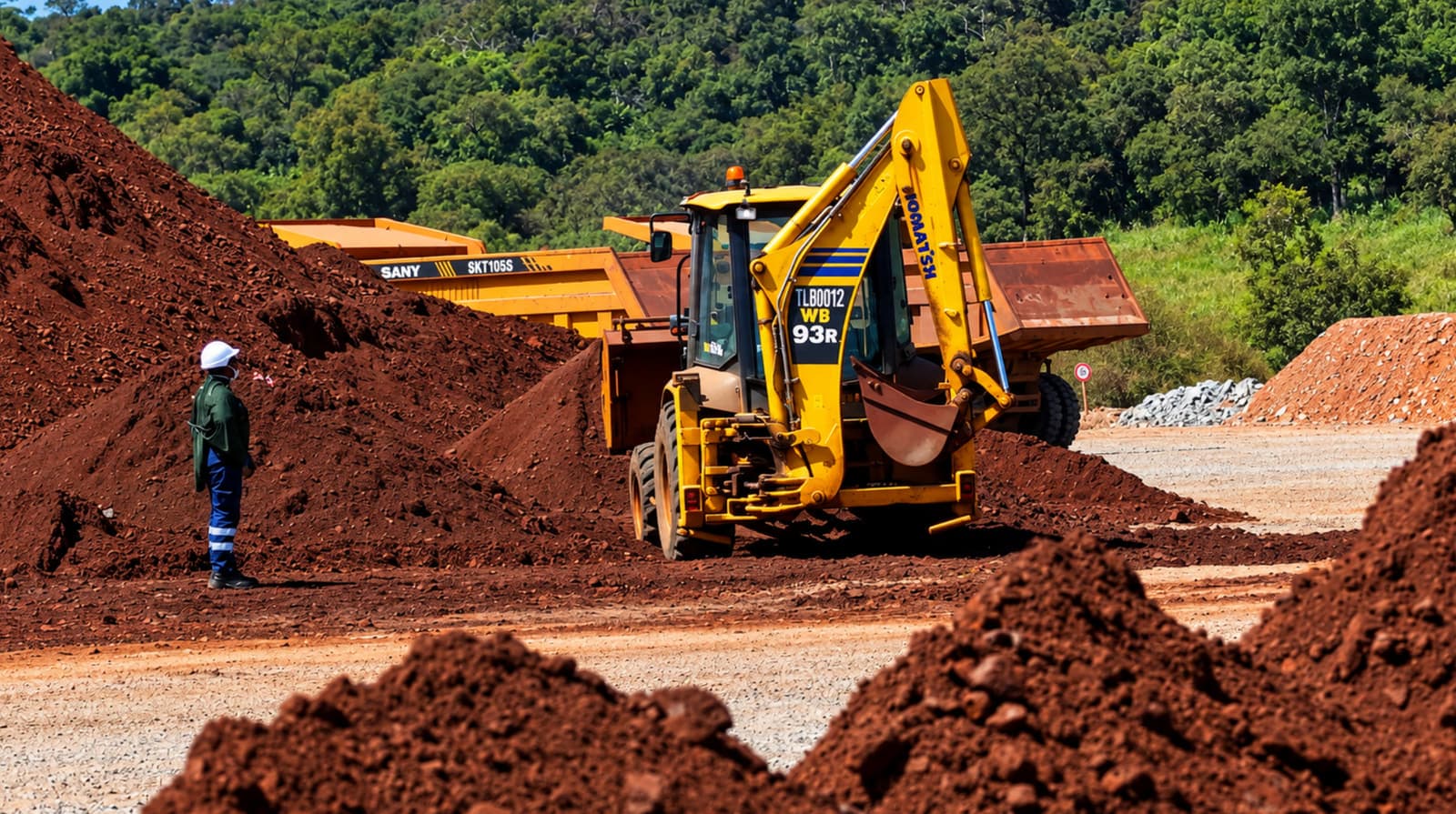
AFC
The Africa Finance Corporation (AFC) is considering investments in iron ore and uranium as it looks to expand its mining portfolio.
AI-generated summary. It can miss nuance — read the full story above for the complete picture.
The Africa Finance Corporation (AFC) is considering investments in iron ore and uranium as it looks to expand its mining portfolio. If the projects move ahead, the spending could extend beyond mining companies to the businesses that supply equipment, transport materials and keep operations running.
Reuters reported on 16 October that AFC could announce investments in the two minerals within the next six to 12 months. The corporation is also involved in the Lobito Corridor, a transport route linking mining areas in Zambia and the Democratic Republic of Congo (DRC) to Angola’s Atlantic coast.
For small and medium-sized enterprises (SMEs), the question is where they could fit into these projects. Most small businesses will not have the capital to develop a mine or build a railway. But they may be able to supply the companies that do.
“Most small businesses will not have the capital to develop a mine or build a railway. But they may be able to supply the companies that do.”
Mining projects need more than mining companies
A mine depends on a network of suppliers. Equipment must be serviced, workers need protective clothing, fuel and other consumables must reach the site, and materials have to be moved between mines, warehouses, railway terminals and ports.
This creates potential work for businesses in vehicle maintenance, electrical services, engineering, cleaning, catering, security, accommodation and transport. Companies supplying industrial tools, tyres, batteries, uniforms and safety equipment could also compete for orders, depending on the requirements of individual projects.
Some of these contracts may go to large, established suppliers. Others could be handled by smaller businesses working as subcontractors.
For example, a contractor maintaining equipment at a mining site may need a local company to repair vehicles, deliver spare parts or provide staff transport. A construction project may require catering for workers, protective equipment or regular deliveries of building materials.
These are examples of possible procurement needs, not confirmed contracts arising from AFC’s investment plans. The actual opportunities will depend on the projects approved and the contractors appointed.
What the Lobito Corridor means for smaller businesses
The Lobito Corridor is intended to improve the movement of minerals from the copper- and cobalt-producing regions of Zambia and the DRC to Angola’s Atlantic port. Better rail connections could give mining companies another route to export markets.
Building and operating that route requires more than railway infrastructure. There is work involved in maintaining equipment, managing cargo, repairing vehicles, storing materials and supporting workers at construction and logistics sites.
SMEs operating near these activities may be better placed to compete for certain contracts than businesses located far from the projects. A transport company near a logistics hub, for instance, may be able to deliver supplies more quickly than a supplier based hundreds of kilometres away.
The corridor could also create demand for businesses that already serve other industries. A workshop that repairs commercial vehicles, a company that supplies electrical components or a warehouse operator may be able to serve mining and logistics customers without changing its entire business.
However, the benefits will not be spread evenly. Businesses located along the route or near project sites may have more immediate opportunities. Companies elsewhere will need to assess transport costs, delivery requirements and whether they can compete with established suppliers.
Winning a contract is only half the job
For an SME, securing a contract with a mining company or major contractor can bring in substantial revenue. It can also create financial pressure if the business has to pay staff, purchase stock and cover fuel costs before receiving payment.
Consider a small equipment supplier that wins an order worth R300,000. If it must buy stock upfront and wait 60 days for payment, it needs enough working capital to cover the order while continuing to pay its existing expenses. The contract may look attractive on paper but could leave the business short of cash.
This is particularly important for businesses supplying large mining and infrastructure projects, where orders can be bigger than their usual monthly sales.
SMEs should check payment terms before accepting work, calculate the cost of delivering each order and establish whether they can finance the gap between spending money and getting paid. They should also avoid relying on one large customer for most of their revenue.
Where possible, businesses can approach contractors about smaller orders, trial contracts or subcontracting arrangements before committing to a larger supply agreement.
Preparing to supply the mining industry
Businesses interested in these opportunities should start by identifying the companies already operating in their area and the contractors likely to work on upcoming projects.
The next step is to establish what those buyers require. Some will need formal supplier registration, tax and company documents, insurance, safety records or evidence of previous work. Technical services may require specific qualifications, equipment and trained staff.
SMEs should also be realistic about their capacity. A business that can reliably deliver 20 orders a month may struggle if it accepts 100 without additional staff, vehicles or working capital. Taking on work that the business cannot fulfil could damage its reputation with a major customer.
Partnerships may offer another route in. Smaller suppliers can work with established contractors that already have the necessary experience and project access, provided the commercial terms are clear and the arrangement leaves enough margin for both parties.
The investment decisions still matter
AFC is considering investments in iron ore and uranium, but those plans should not be confused with approved projects or contracts already available to suppliers. The corporation's eventual investment decisions, the locations involved and the infrastructure required will determine where business opportunities emerge.
For SMEs, the useful next step is to identify potential buyers and understand their procurement requirements rather than spend money preparing for work that may not materialise.
If AFC backs projects that require new infrastructure or expanded mining operations, suppliers could find additional customers in transport, maintenance, equipment, industrial supplies and other services. Whether that demand translates into profitable work will depend on access to contracts, competition, delivery costs and the ability to manage cash flow.