Eskom's R99 Million Pollution Bill at Kusile
The power station has spent R99 million on environmental repairs and water monitoring following a court case over pollution. Sixteen corrective actions are still outstanding.
Eskom
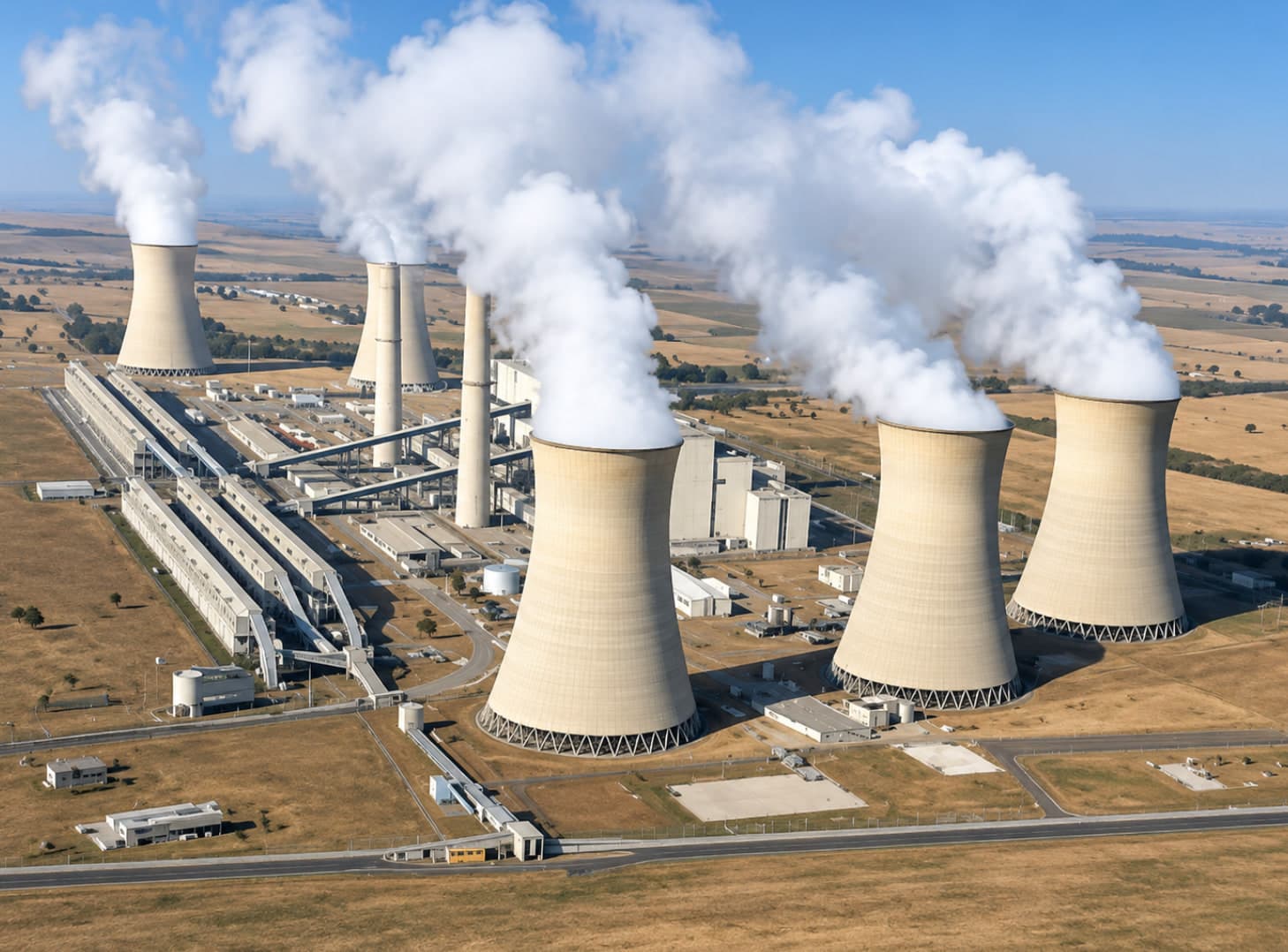
The power station has spent R99 million on environmental repairs and water monitoring following a court case over pollution. Sixteen corrective actions are still outstanding. Eskom has spent R99 million dealing with pollution problems at Kusile Power Station in Mpumalanga.
AI-generated summary. It can miss nuance — read the full story above for the complete picture.
The power station has spent R99 million on environmental repairs and water monitoring following a court case over pollution. Sixteen corrective actions are still outstanding. Eskom has spent R99 million dealing with pollution problems at Kusile Power Station in Mpumalanga. The work includes repairs and monitoring of surface water and groundwater around the facility.
The amount was disclosed by Electricity Minister Kgosientsho Ramokgopa in a parliamentary response. It follows a Supreme Court of Appeal judgment in August 2026, which found that Eskom had failed to properly manage pollution linked to the power station. The case was brought by Topigs Norsvin, which raised concerns about the effect of pollution on water resources downstream of Kusile, including areas used for farming.
The court found that Eskom had not met its environmental obligations. It also criticised government authorities for failing to take sufficient action over the problem. <Cite refs={["turn218090search0","turn218090search1"]}/>
“Eskom has spent R99 million on pollution-related work at Kusile, but 16 corrective actions are still outstanding and groundwater concerns remain.”
Problems with water and waste management
The court case brought attention to several problems at Kusile, including water leakages, polluted runoff and inadequate monitoring of surface water and groundwater. At a coal fired power station, water has to be managed carefully. If polluted water escapes containment areas or is not treated properly, it can reach nearby land and water sources. The court ordered Eskom and its board to submit a plan setting out how the problems would be addressed, who would be responsible and how progress would be monitored.
Sixteen actions still need attention
According to Ramokgopa, Eskom had completed 28 of the 44 corrective actions identified for Kusile by October 2026. The remaining 16 are expected to be completed by October 2028. The R99 million has gone towards environmental remedial work and monitoring water quality. Eskom has reported improvements in surface water quality around the station.
However, questions remain about groundwater contamination, pollution control dams and stormwater management. Parliamentary committees have raised these issues and called for water-quality results to show what is happening around the facility. For nearby farmers and communities, the concern is whether water sources have been affected and whether they can continue using them safely. Completing work at the power station is one part of the job. The condition of the surrounding water resources also matters.
The R233.4 billion figure needs context
Kusile's construction cost has also attracted attention. A figure of R233.4 billion has been reported as the power station's total cost, but Eskom disputes it. The utility says its approved construction budget was R160.5 billion and that R155.5 billion had been spent by June 2026. These figures should be kept separate from the R99 million spent on pollution-related work. The environmental expenditure is part of the cost of addressing problems at the station, not an explanation of the difference between the reported construction figures.
A power station with responsibilities beyond electricity
Kusile has an installed capacity of 4,800MW and is one of Eskom's major coal fired power stations. Its contribution to electricity supply does not remove the responsibility to manage waste and protect surrounding water resources. The outstanding work is due to continue until October 2028.
In the meantime, Eskom will need to keep monitoring the affected areas and report on the progress of its corrective measures. The R99 million has paid for work already undertaken. What remains to be established is whether that work has dealt with the pollution affecting the area and prevented the same problems from happening again.