Angola's €201 million electricity investment could ease operating costs for SMEs in Luanda
Small businesses in parts of Luanda could get some relief from electricity problems as Angola prepares to spend €201.2 million expanding its power network. The project is expected to connect more than 125,000 homes and benefit over 500,000 people in Luanda and Icolo e Bengo.
Energy
Small businesses in parts of Luanda could get some relief from electricity problems as Angola prepares to spend €201.2 million expanding its power network. The project is expected to connect more than 125,000 homes and benefit over 500,000 people in Luanda and Icolo e Bengo.
AI-generated summary. It can miss nuance — read the full story above for the complete picture.
Small businesses in parts of Luanda could get some relief from electricity problems as Angola prepares to spend €201.2 million expanding its power network. The project is expected to connect more than 125,000 homes and benefit over 500,000 people in Luanda and Icolo e Bengo. The investment covers areas including Porto Seco, Funda, Viana Industrial Park, Zona Verde and Mundial. These areas have residential communities as well as businesses that depend on electricity to keep their operations running.
For small businesses, unreliable electricity can become an expensive part of doing business. A bakery needs power for its ovens and refrigeration, a workshop relies on machinery, while a small manufacturer needs electricity to keep production moving. When the supply is interrupted, business owners often have to switch to generators, spend more on fuel or delay work until electricity returns. These additional expenses can eat into already tight margins.
The planned expansion could help reduce some of these pressures for businesses in the areas covered by the project, although the actual impact will depend on the quality of the new infrastructure and the reliability of supply once it is operational.
"Money that would otherwise go towards running generators could be used to buy stock, maintain equipment, pay employees or take on additional work."
Viana Industrial Park among the areas covered
One of the areas included in the project is Viana Industrial Park, where manufacturers, suppliers, workshops and other businesses operate. For smaller companies working in the industrial area, electricity interruptions can affect production schedules, equipment and the ability to meet customer orders. A business that cannot complete an order on time may have to explain delays to customers or pay additional costs to get the work finished. Companies using generators also have to factor in fuel, servicing and maintenance.
A more dependable electricity supply could give these businesses some room to manage their expenses. Money that would otherwise go towards running generators could be used to buy stock, maintain equipment, pay employees or take on additional work. It could also make it easier for smaller manufacturers to plan production without having to account for frequent interruptions.
However, improved electricity infrastructure does not automatically mean lower electricity bills. Businesses will still have to manage their tariffs and other operating expenses. The immediate benefit would be having a more dependable supply and fewer disruptions to daily operations.
What the project will include
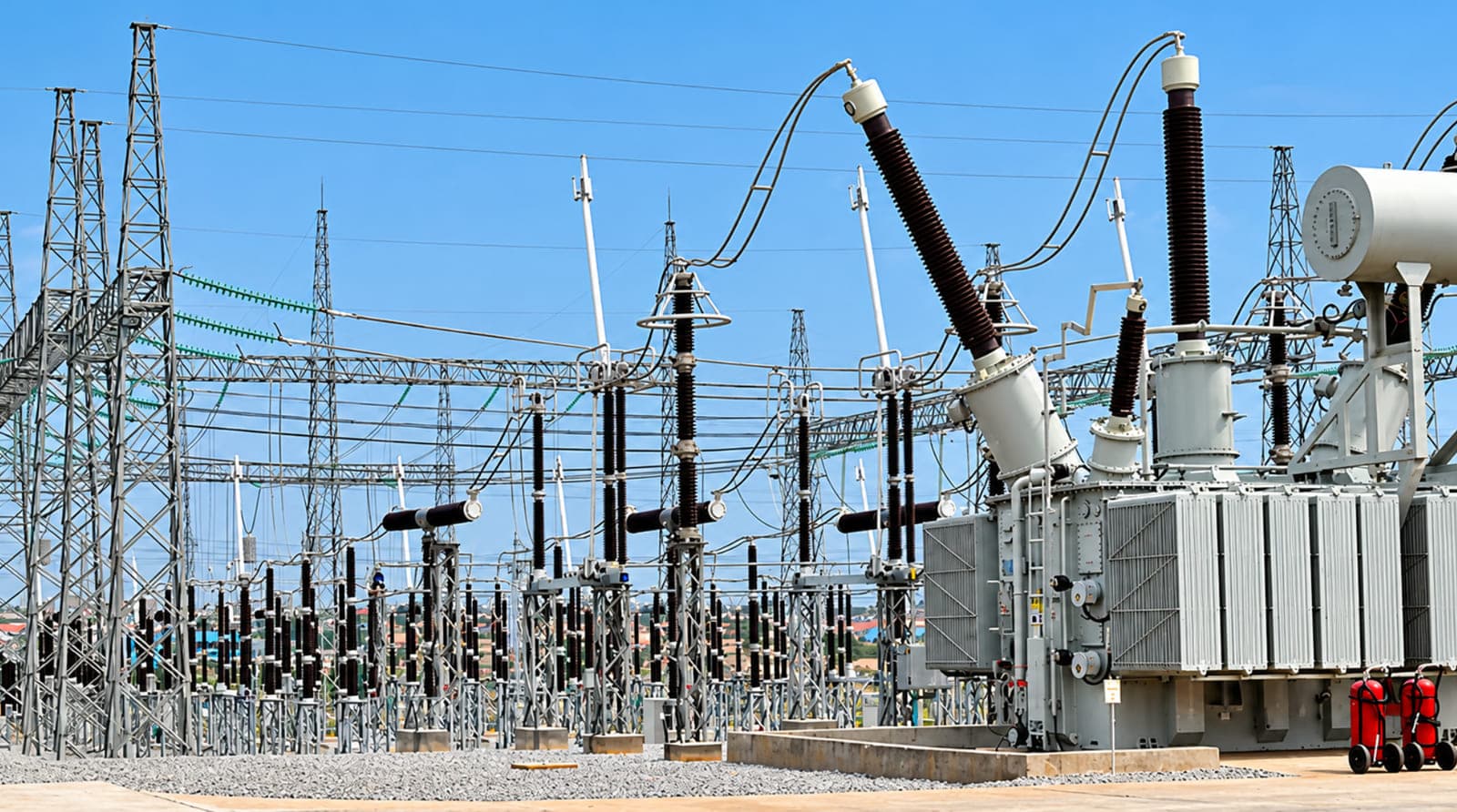
The first phase involves building three new electricity substations, each with a capacity of 80 MVA. The existing substation at Viana Industrial Park will also be expanded with an additional 40 MVA transformer. Once completed, the work is expected to add approximately 280 MVA of transformation capacity to the network.
The project also includes 55 kilometres of new high-voltage power lines and upgrades to another 48 kilometres of medium-voltage lines.
These improvements are intended to increase the amount of electricity that can be distributed across the targeted areas and support new connections. More than 125,000 homes are expected to receive electricity connections, with the project reaching an estimated 500,000 people.
For communities around the industrial zones, extending the network could also make it easier for small traders and home-based businesses to operate. Businesses such as food sellers, hair salons, tailoring services and small retail shops depend on electricity for refrigeration, lighting, equipment and customer services.
The cost of unreliable electricity for small businesses
Electricity remains an important part of the cost of running many small businesses. Unlike larger companies, smaller operators may not have enough money to install backup power systems or absorb the cost of prolonged interruptions. A small food business, for example, can lose stock when refrigeration stops working. A workshop may have to send employees home when machinery cannot operate, while a manufacturer could fall behind on customer orders.
Generator use adds another expense. Business owners have to buy fuel, arrange maintenance and deal with the cost of keeping backup equipment in working condition. These expenses do not always show up as a separate line on a customer's invoice, but they affect how much money a business has left at the end of the month.
If the electricity expansion delivers a more reliable supply, some businesses could reduce their dependence on generators and use those savings elsewhere in their operations. There could also be opportunities for businesses supplying industrial areas. More reliable electricity can support longer operating hours and make it easier for companies to plan their production and delivery schedules.
Angola approves €201 million for the first phase
President João Lourenço approved the €201.2 million allocation through Presidential Decree No. 400/26, dated 28 October 2026. The government has authorised a simplified procurement process for the project, which will receive external financing. The expenditure will also be included in Angola's Public Investment Programme. The allocation covers the first phase of the electricity network expansion in Luanda and Icolo e Bengo.
The next stage will involve putting the infrastructure work into effect, including the construction of the substations, installation of transformers and upgrading of the power lines. For businesses and households in the targeted areas, the timing of construction and the eventual connection of customers will determine when they start seeing the benefits.
What SMEs will be watching
For small businesses, the value of the project will not simply be measured by the number of substations built or kilometres of power lines installed. They will want to see whether electricity interruptions become less frequent, whether supply can support their equipment and whether new connections reach the areas where they operate.
Businesses in Viana Industrial Park and the surrounding communities will be among those watching how the work progresses. For SMEs already dealing with rising operating expenses, a more reliable electricity supply could take some pressure off their monthly budgets. It would not solve all their business challenges, but fewer hours spent dealing with power interruptions would leave owners with more time to focus on customers, employees and production.