Ekurhuleni’s R360 million solar project: Will fresh produce traders see any savings?
Electricity is one of the bills businesses cannot avoid. At a fresh produce market, where traders handle goods that can spoil if they are not stored properly, keeping the lights and refrigeration running is part of doing business.

Solar Project
Electricity is one of the bills businesses cannot avoid. At a fresh produce market, where traders handle goods that can spoil if they are not stored properly, keeping the lights and refrigeration running is part of doing business.
AI-generated summary. It can miss nuance — read the full story above for the complete picture.
Electricity is one of the bills businesses cannot avoid. At a fresh produce market, where traders handle goods that can spoil if they are not stored properly, keeping the lights and refrigeration running is part of doing business. Ekurhuleni has started construction on a R360 million solar plant at Springs Fresh Produce Market. The project is expected to add more electricity to the city's network, but whether it will help traders cut their costs is still an open question.
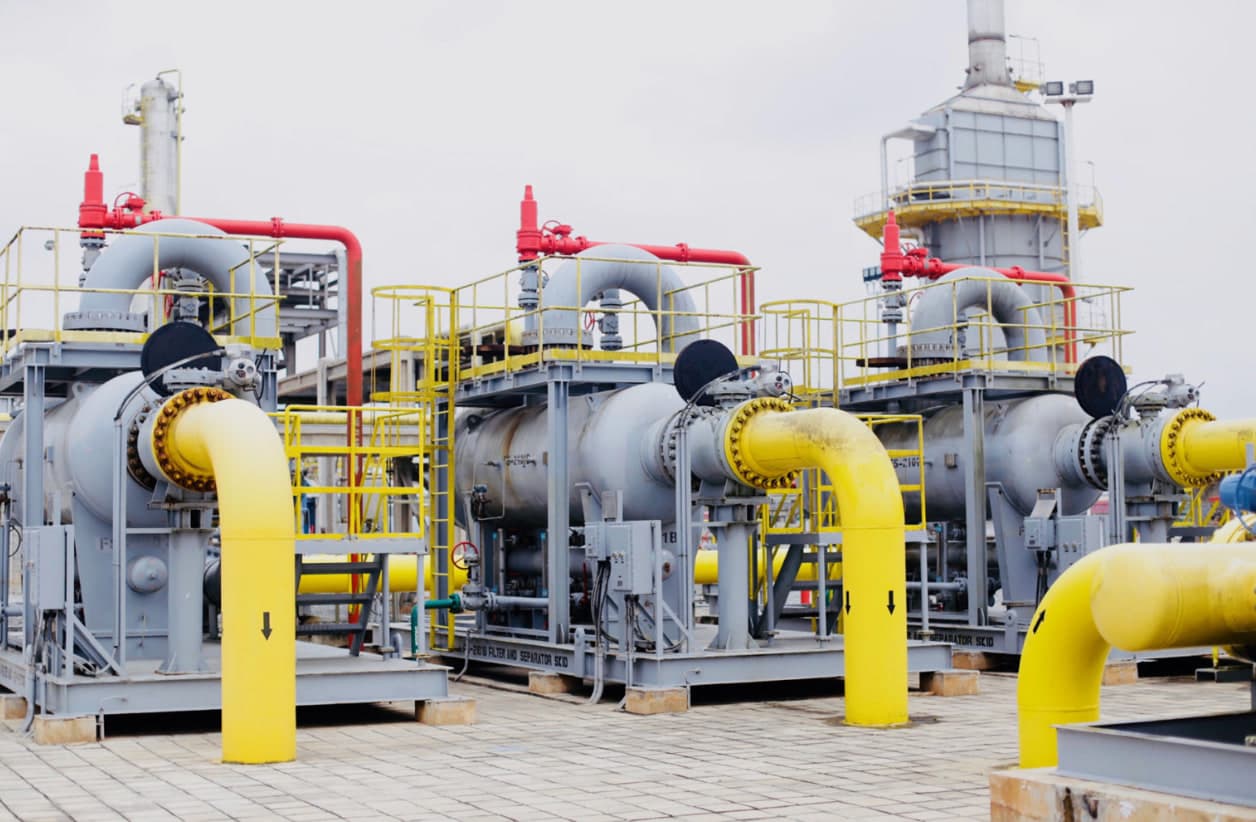
The 25.6MW plant is being developed by BluEnergy and IBS Crafts. It will use the market’s roof and nearby unused municipal land, with annual electricity generation expected to reach about 40GWh. The city will buy the electricity under a 20 year agreement. The private partners will pay for construction, meaning Ekurhuleni does not have to fund the entire project upfront.
The costs behind a box of vegetables
“The R360 million solar project is an investment in electricity supply, but whether it will lower costs for fresh produce traders or make food cheaper for consumers remains to be seen.”
A trader buying potatoes, tomatoes or onions has more to worry about than the price paid to the farmer. Transport, labour, storage and electricity all affect how much it costs to get that produce to customers. For businesses that use refrigeration, a higher electricity bill can eat into the money left after other expenses have been paid. Smaller traders may have little choice but to absorb the increase or charge more.
That is why the Springs project is worth watching. If the electricity it produces is competitively priced, it could help the municipality manage part of its energy costs. But there is a distinction between adding electricity to the city's network and lowering the bill paid by a business at the market. The project will supply the municipal network, not individual traders directly. No reduction in traders' tariffs has been announced.
Lower electricity costs do not automatically mean cheaper food
Even if the city benefits from the new plant, there is no guarantee that shoppers will pay less for fresh produce. Farmers face costs for fuel, fertiliser, water and labour. Transporters must pay for diesel, vehicle maintenance and wages. Retailers and market traders have their own expenses, and prices also move with weather conditions, harvest volumes and demand. Electricity is part of that calculation, but it is not the only factor.
To establish whether the solar plant will make a difference, the city would need to show how much the electricity costs compared with alternative sources and whether the agreement delivers savings. It would also be useful to know whether those savings affect the charges businesses pay. Without those figures, it is too early to put a number on the potential benefit to traders or consumers.
A long term investment, with questions still to answer
The project is expected to create more than 100 jobs during construction, followed by employment opportunities in operations and maintenance.
For Ekurhuleni, the deal offers a way to add generating capacity with private funding. For businesses at Springs Fresh Produce Market, the immediate benefit is less certain. The real measure will come once the plant is running. How much will the electricity cost? Will it help the city manage its overall energy bill? And will any savings reach the businesses that buy and sell fresh produce every day? Until those questions are answered, the R360 million project is an investment in electricity supply, not a promise of cheaper food.