Ghana’s Tema Oil Refinery Considers Selling Shares to Raise Capital
Tema Oil Refinery (TOR) is considering bringing private and institutional investors into the state-owned business as it seeks funding to restore its financial position and expand production.
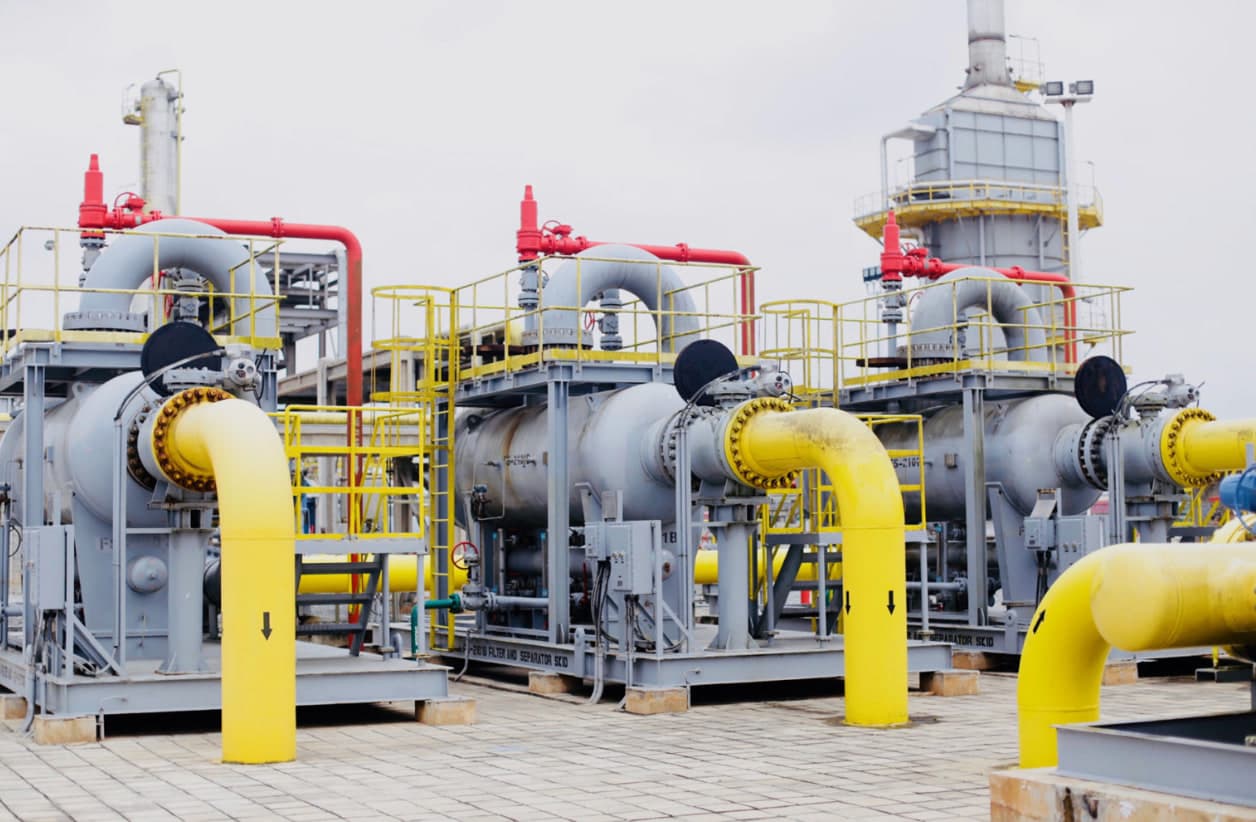
TOR Oil Refinery
Tema Oil Refinery (TOR) is considering bringing private and institutional investors into the state-owned business as it seeks funding to restore its financial position and expand production. The proposal would involve a possible listing on the Ghana Stock Exchange, giving investors an opportunity to acquire shares in the refinery.
Chief Executive Officer Edmond Kombat raised the idea on October 25 during a visit to the facility by an International Monetary Fund (IMF) delegation. The company is looking for ways to finance its next phase of operations while dealing with approximately $517 million in outstanding legacy debt.
Around $120 million of that amount is owed to the Ghanaian government, Kombat said. TOR is discussing the debt with relevant state entities as it works to restructure its obligations and resolve longstanding financial issues.
The fundraising proposal follows the refinery’s return to production in late 2025. Its distillation unit restarted after maintenance work conducted between August and October that year. By December, TOR was processing 28,000 barrels per day, below its rated capacity of 45,000 barrels per day.
A potential stock market listing would give the refinery another route to raising funds, but the proposal is still under consideration. The company must also sustain production and address the financial obligations accumulated during years of disrupted operations.
Domestic Refining Faces a Crude Supply Challenge
Ghana wants its refineries to supply a larger share of the country’s fuel consumption. The government expects planned expansion at TOR and Sentuo Oil Refinery to help the two facilities meet about 70% of national demand, according to a July report by Agence Ecofin.
Current output remains well below that ambition. The Chamber of Bulk Oil Distributors estimates that TOR and Sentuo together supply approximately 25% to 30% of the fuel Ghana consumes.
Access to crude oil will be a key factor in increasing production. TOR went several years without regular access to locally produced crude before recently resuming processing of Ghanaian oil. In July 2026, the government allocated one million barrels from the Jubilee oil field to the refinery.
The Institute for Energy Security called for more consistent enforcement of domestic crude supply requirements in August. It argued that predictable deliveries would help refineries organise production and secure the feedstock needed to operate reliably.
Ghana’s import figures illustrate the challenge facing the domestic refining sector. The Energy Commission recorded nearly 4.9 million metric tons of imported petroleum products in 2024. Estimates for 2025 put the total between 6.3 million and 6.9 million metric tons.
COMAC, the Chamber of Oil Marketing Companies, reported that imports declined by 12.7% year on year to 2.79 million metric tons in the first half of 2026.
For TOR, raising capital is only one part of the recovery. Its ability to contribute more fuel to the domestic market will also depend on how reliably it can obtain crude and keep its processing facilities running.