Can African businesses afford to build their own AI products? Cassava is betting on local infrastructure
An African startup developing an AI product has to think about more than the technology. It needs developers, computing power and somewhere to run the software. Every time a customer uses the product, there may be another computing cost to pay.
Cassava
An African startup developing an AI product has to think about more than the technology. It needs developers, computing power and somewhere to run the software. Every time a customer uses the product, there may be another computing cost to pay.
AI-generated summary. It can miss nuance — read the full story above for the complete picture.
An African startup developing an AI product has to think about more than the technology. It needs developers, computing power and somewhere to run the software. Every time a customer uses the product, there may be another computing cost to pay.
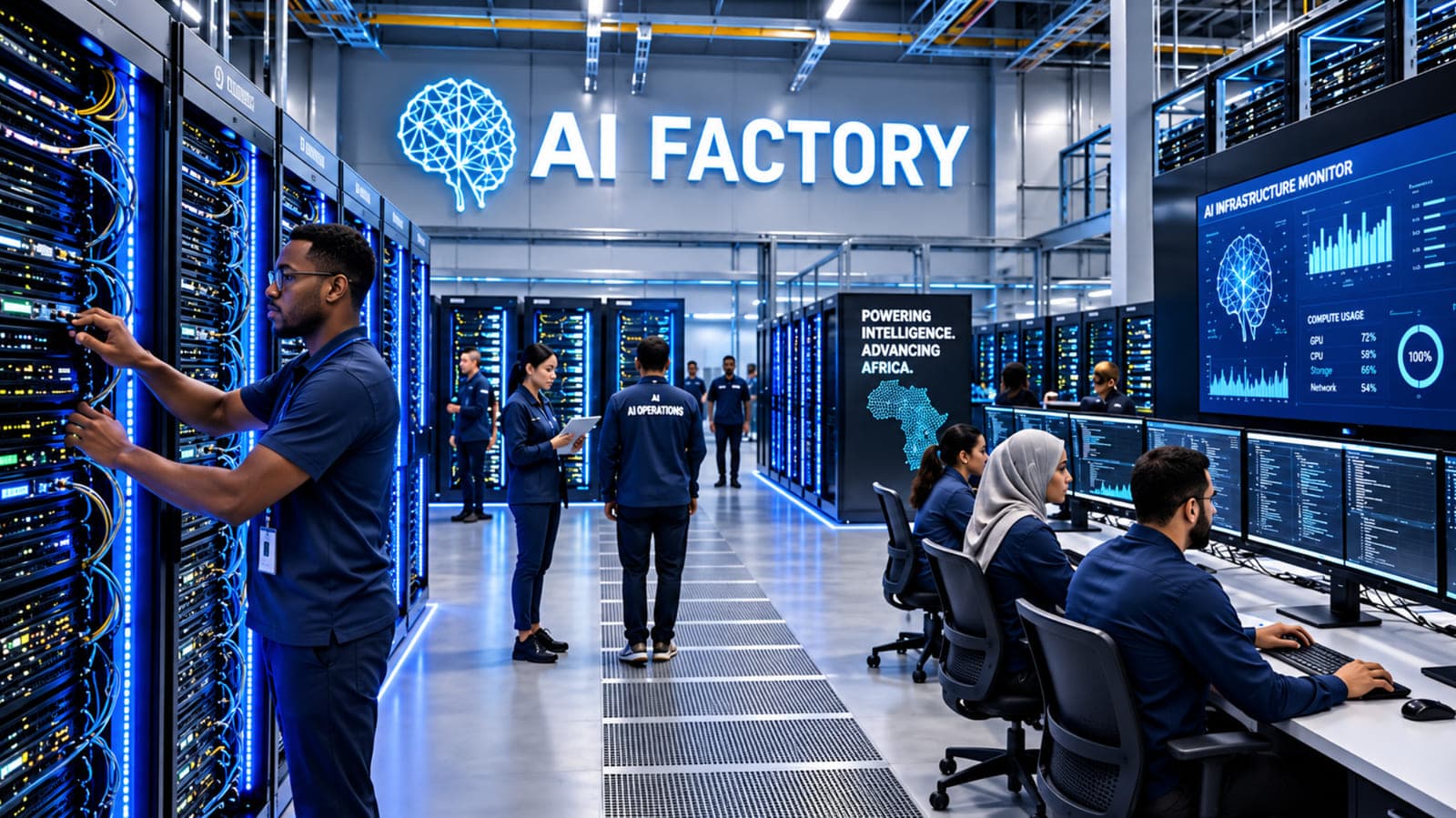
For a small company trying to get a product off the ground, those expenses can become a problem. It might have a good idea and a team capable of building it, but the cost of running the service could make it difficult to compete. Cassava Technologies wants to address part of that problem through its AI Factory. The company has added NVIDIA's Nemotron open AI models to its Cassava AI Multi-Model Exchange (CAIMEx), giving developers access to the models through APIs.
The announcement, made on 21 October 2026, is part of Cassava's wider investment in AI infrastructure on the continent. The idea is straightforward: businesses can use AI models through Cassava's platform instead of having to build and maintain all the underlying infrastructure themselves. That does not mean developing an AI product suddenly becomes cheap. Businesses still need people who understand the technology, reliable connectivity and a product customers are prepared to pay for. But removing some of the infrastructure burden could make it easier for developers to get started.
“Access to AI infrastructure is one part of the problem. Making the numbers work is another.”
The infrastructure behind the product
Consider a software company building an AI tool for retailers. The product might help store owners answer customer questions, manage stock information or process routine administrative requests. The company has to pay for the computing resources that keep the tool running. If usage increases, so can the bill. It also needs to manage the systems behind the application, rather than concentrating only on what customers see. Through CAIMEx, Cassava is offering access to different AI models, including NVIDIA Nemotron. Developers can use these models as part of their own applications without setting up the same model hosting infrastructure independently. For smaller technology companies, that could reduce some of the work and investment required to bring a product to market.
The question is how much access will cost. Cassava has not provided pricing details for the Nemotron offering, making it difficult to judge whether the service will fit the budgets of early stage businesses.
Local infrastructure is part of the pitch
Cassava is also making a case for running AI services closer to the markets where they will be used. Many African companies rely on international cloud providers. These services are widely available, but businesses still have to consider connectivity, usage charges and where their data is processed.
Cassava has been developing its NVIDIA-powered AI Factory in South Africa, with plans to expand into Nigeria, Kenya, Egypt and Morocco. For businesses handling customer records, financial information or internal documents, the location of computing infrastructure can be an important consideration. However, local hosting on its own does not guarantee data security. Companies still need to understand who can access their information and how it is protected.
Cassava is also introducing a Token Optimiser through CAIMEx. It is designed to reduce repeated processing by reusing information that has already been handled by a model. That matters because AI services can generate costs each time they process a request. A business running a customer support tool, for instance, could be handling thousands of interactions every month. Reducing unnecessary processing may help control the bill, although Cassava has not published figures showing the potential savings.
Giving AI agents access to business systems
Another part of the announcement involves NVIDIA OpenShell, which Cassava says will provide security controls for AI agents. Unlike a chatbot that mainly responds to questions, an AI agent can be designed to carry out tasks using business software. It might retrieve information, assist with administrative work or interact with other systems.
That creates a different set of risks. A business may be comfortable with an AI tool answering general questions, but giving it access to customer records or financial systems requires tighter controls. Companies will need to know what an agent is allowed to access, which actions it can take and where human approval is still required.
The price will matter to smaller businesses
Cassava is positioning its AI Factory as infrastructure that developers and businesses can use without having to build everything themselves. There is a market for that service. African startups are developing products for retail, finance, logistics and customer service, and many will need access to AI models as they grow.
But the availability of technology does not mean every business can afford to use it. A startup operating on a limited budget will want to know the cost of running its application, how charges change as usage increases and whether the service is reliable enough for customers. Those details will matter more than the list of models available on the platform.
Cassava has put infrastructure in place and is adding more tools to its offering. The next test is whether developers can use those services at a price that allows them to build sustainable businesses. For African companies looking to develop their own AI products, access is one part of the problem. Making the numbers work is another.