Why South African dealerships need to pay more attention to after sales service
A dealership can spend months trying to sell a customer a car, but what happens after the customer drives away is just as important.

SA Dealers
A dealership can spend months trying to sell a customer a car, but what happens after the customer drives away is just as important.
AI-generated summary. It can miss nuance — read the full story above for the complete picture.
A dealership can spend months trying to sell a customer a car, but what happens after the customer drives away is just as important. The vehicle will eventually need a service, new tyres, brake pads or replacement parts. If the dealership can handle those needs without making the process difficult or too expensive, there is a good chance the customer will return. If not, they may take the car somewhere else.
This is becoming a bigger issue for South African dealerships as more vehicle brands enter the market. Chinese manufacturers, in particular, are bringing more competition into a market that already has established players such as Toyota, Volkswagen, Ford and Hyundai. For dealerships, selling more cars is one challenge. Keeping those cars on the road and looking after their owners is another.
Selling the car is only the first step
A customer buying a new vehicle will usually consider the price, monthly instalment, fuel consumption and warranty. But once the vehicle is a few years old, servicing and repairs start becoming a bigger part of ownership costs. This is where dealerships have an opportunity to keep customers coming back.
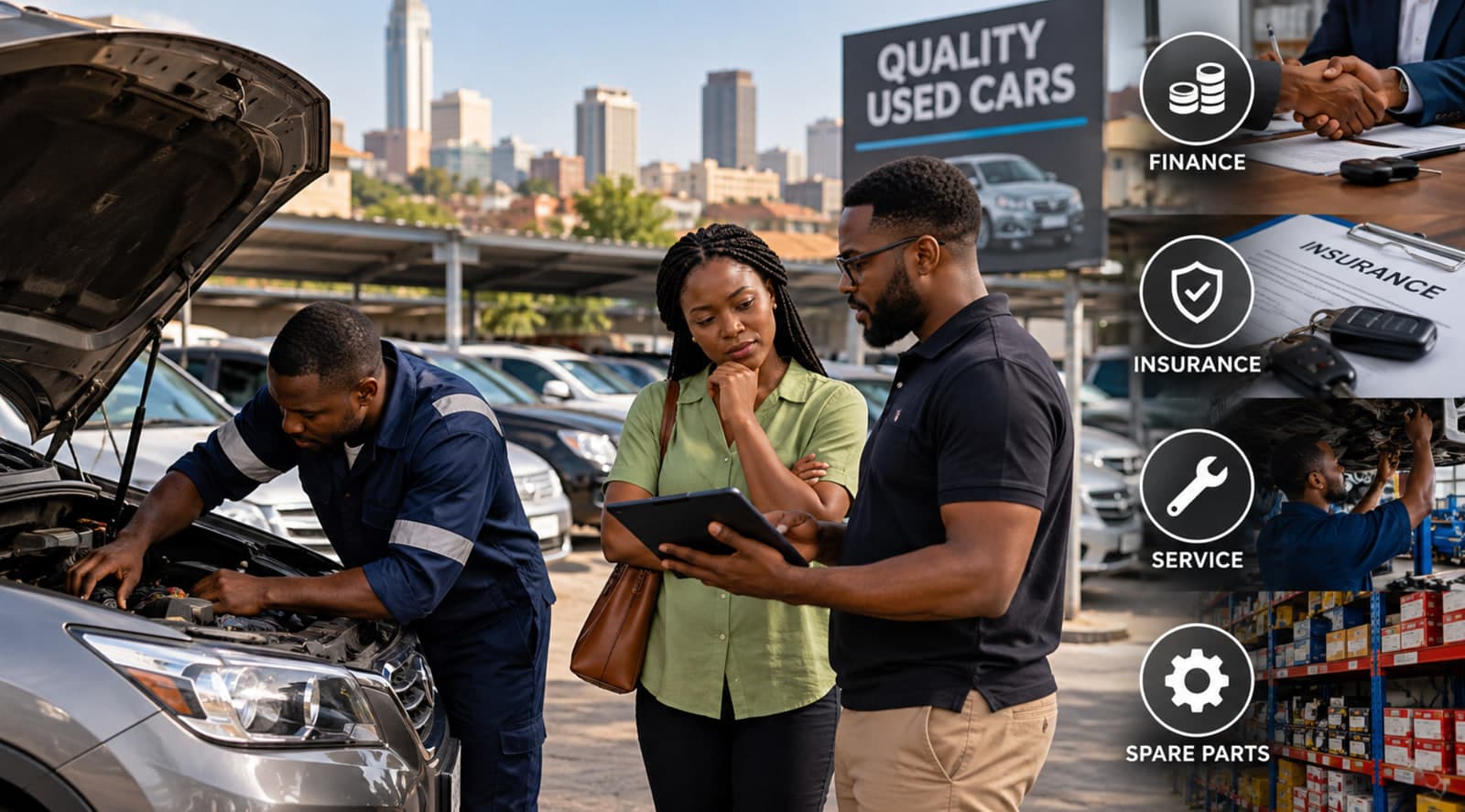
A customer who bought a vehicle from a dealership may return for scheduled servicing, replacement tyres, brake repairs and other maintenance. These jobs bring in additional business and give the dealership a chance to maintain its relationship with the customer. But customers are not always willing to pay dealership prices, particularly once their vehicles are out of warranty. Some will look for an independent workshop that charges less for labour or can source parts at a lower price.
Dealerships therefore have to give customers a reason to continue using their workshops. That could mean competitive service packages, clear pricing, reliable bookings and making sure vehicles are ready when promised.
More car brands mean more servicing needs
South Africa's automotive market has become more crowded, with several Chinese brands expanding their local operations. This creates more work for the businesses that support the vehicles after they have been sold. Different brands have different parts requirements, diagnostic systems and technical specifications. Workshops need the right equipment and trained staff to work on them.
The size of the aftermarket shows how important this business has become. BDO South Africa estimates that the local automotive aftermarket was worth around R197 billion in 2025 and directly employed 317,000 people.
For a dealership representing a newer brand, after-sales support can also influence whether customers recommend the vehicle to others. A buyer may be happy with the price and features of a new car, but that experience can quickly change if a routine service takes too long or a replacement part is difficult to find.
Independent workshops could get more business
The growing number of vehicles on South African roads also creates opportunities for independent workshops.
Many motorists with older vehicles are already using independent mechanics because they want to keep maintenance costs manageable. As more brands enter the market, these workshops could attract customers looking for alternatives to manufacturer dealerships. There is room for smaller businesses that specialise in particular repairs, such as automatic gearboxes, vehicle electronics, air-conditioning and suspension work.
However, independent workshops will need to keep up with the vehicles they are servicing. Newer cars have more electronic systems, and mechanics cannot always rely on the same tools and knowledge used on older models. Training, diagnostic equipment and access to the correct parts will become increasingly important.
Getting the right parts is still a challenge
Parts availability is another issue that affects both dealerships and independent workshops. A vehicle can spend days at a workshop because a particular component is not available locally. For the customer, this means additional inconvenience. For the workshop, it means a job that cannot be completed and space that could have been used for another vehicle.
South Africa imported R107.5 billion worth of replacement automotive parts in 2025, according to figures cited by the Retail Motor Industry Organisation.
This reliance on imported parts creates opportunities for local suppliers and manufacturers, but it also leaves workshops exposed to supply delays and changing import costs. Dealerships with good relationships with manufacturers may have an advantage, but they still need to manage stock properly. Independent workshops need dependable suppliers who can deliver the right parts without pushing up repair costs.
Dealerships cannot ignore the customer after the sale
The arrival of more vehicle brands means customers have more choice when buying a car. It also means they have more options when deciding where to service and repair it. Dealerships that focus only on new vehicle sales risk losing customers to independent workshops once the warranty period ends. Those that offer reliable servicing, reasonable prices and good parts support have a better chance of keeping the relationship going.
For independent workshops, the opportunity is there, but taking on newer vehicle brands will require investment in equipment, training and parts supply. The competition in South Africa's car market is no longer just about which brand sells the most vehicles. It is also about who can look after those vehicles once they are on the road.