Africa’s used-car trade is creating opportunities for businesses behind the sale
A used car dealership makes money when it sells a vehicle. But plenty of other businesses earn money from the same car before the buyer drives away and long after the sale is done.
Africa’s used-car
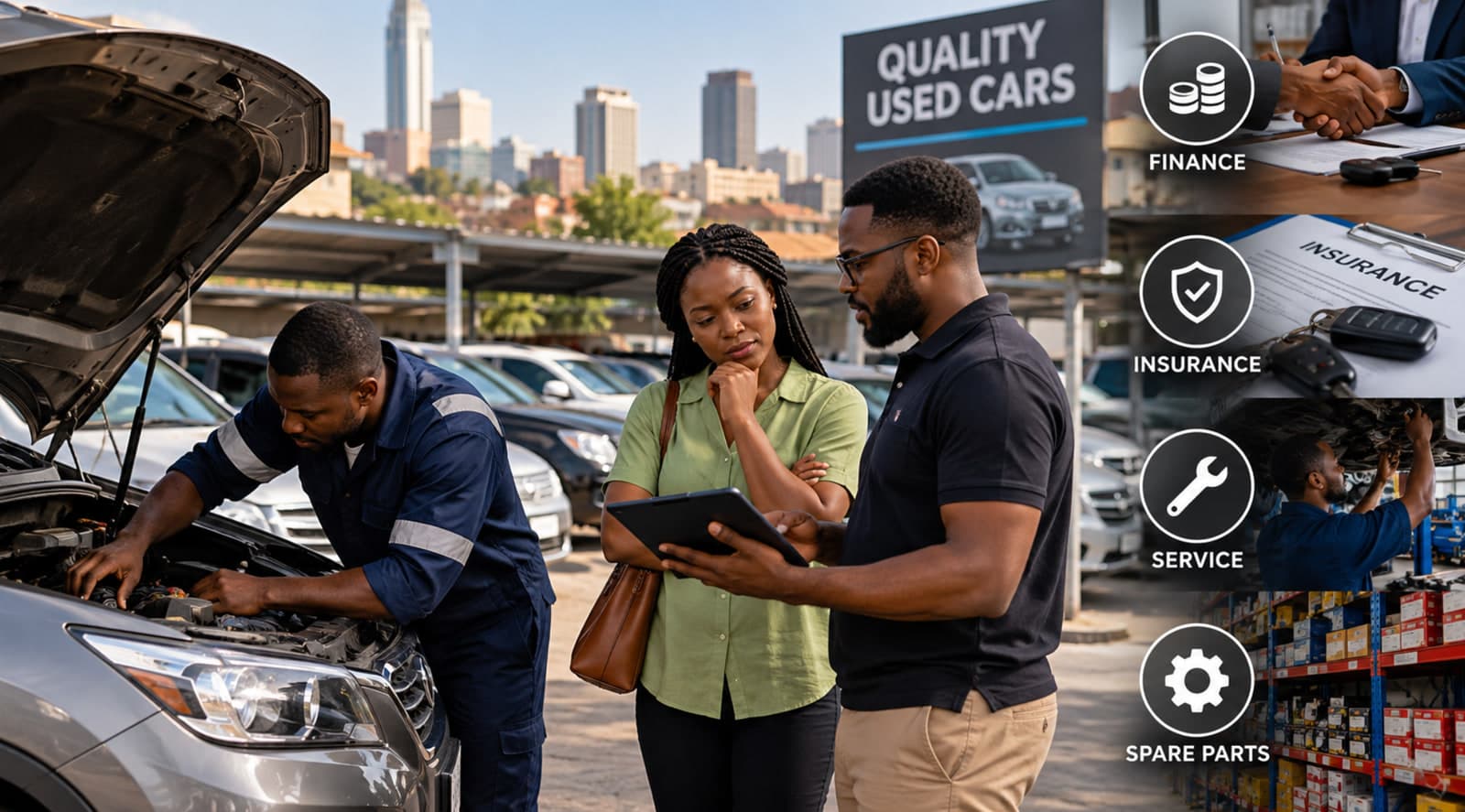
A used car dealership makes money when it sells a vehicle. But plenty of other businesses earn money from the same car before the buyer drives away and long after the sale is done. A mechanic might be paid to check the engine before the purchase. A lender could finance the deal, an insurer could cover the vehicle, and a spare-parts shop might supply its next set of brake pads a few months later.
AI-generated summary. It can miss nuance — read the full story above for the complete picture.
money from the same car before the buyer drives away and long after the sale is done. A mechanic might be paid to check the engine before the purchase. A lender could finance the deal, an insurer could cover the vehicle, and a spare parts shop might supply its next set of brake pads a few months later. This side of the automotive industry is worth looking at, particularly in African markets where second-hand vehicles give households and businesses an alternative to buying new. For entrepreneurs, the question is where they can find customers in a market that already has dealerships, repair shops and finance companies.
The first sale is not always the hardest part
Buying a used vehicle involves a fair amount of guesswork when the buyer cannot establish its history or condition. A seller may describe a car as being in good shape, but the buyer still has to consider its service record, possible accident damage and the cost of repairs. A vehicle that seems affordable can become a financial burden if major faults emerge soon after the purchase.
“The dealership gets the sale, but there is plenty of work around it.”
Some buyers take a mechanic along to inspect a car. Others rely on a dealership's checks or arrange an independent assessment. For mechanics, offering inspections can bring in work outside the usual repair schedule. A workshop could charge to examine vehicles before a sale, while a mobile mechanic could travel to the seller rather than require the customer to bring the car in. It is a relatively straightforward service, but its value depends on the quality of the inspection and whether the findings help the buyer make a better decision.
Finding the money to buy the car
The vehicle itself is only one expense. Buyers also need to work out how they will pay for it. Traditional vehicle finance may not suit everyone. A self-employed person with irregular income, for example, may find it harder to meet a lender's requirements. Small businesses may also need a vehicle but lack the cash to buy one outright.
This is where leasing and other vehicle-financing arrangements enter the picture. A delivery company might want to add a van without paying the full purchase price upfront. A tradesperson may need a bakkie to take on more jobs but cannot afford to tie up working capital in a vehicle. Businesses offering finance have to weigh that demand against the risks. Used vehicles lose value, repairs can be expensive and borrowers may struggle to keep up with repayments when business slows down. The opportunity is there, but it depends on getting the numbers right. A financing model that leaves the customer with repayments they cannot sustain will not solve the original problem.
Online car shopping still needs a human check
A buyer can spend hours comparing cars online and still have little certainty about the vehicle they eventually choose. Photographs show what a seller wants the buyer to see. They do not reveal every mechanical fault, confirm the accuracy of the mileage or establish that all the paperwork is in order. Online marketplaces can make it easier to find vehicles, but checking those details remains important. This gives businesses an opportunity to provide services around the transaction. A platform could connect buyers to inspectors, help dealerships organise vehicle records or offer checks that establish whether a seller and vehicle can be verified.
The difficulty is obtaining reliable information. Vehicle records are not equally accessible in every African country, so a service that works in one market may not transfer easily to another. For a smaller technology company, concentrating on one part of the buying process may be more realistic than trying to handle the entire transaction.
What happens when the car needs fixing?
The work continues after the vehicle has been sold. Cars need servicing, tyres and replacement parts. Older vehicles may need more frequent repairs, which keeps independent mechanics and parts dealers in business. For these operators, delays can cost money. A garage waiting for a replacement part cannot finish the job, while a customer who has been without a vehicle for several days may take the next repair to another workshop.
Parts suppliers that can confirm availability and deliver the correct components quickly can make life easier for garages. Workshops, meanwhile, can use basic digital tools to record jobs, prepare quotations and keep track of stock. The challenge is making these services affordable for smaller operators. A workshop with a handful of employees is unlikely to need the same software as a large dealership group.
One model will not work everywhere
The market also differs considerably between African countries. South Africa has an established used-car retail and vehicle-finance industry. Kenya, Ghana and Nigeria have their own networks of dealers and buyers, including businesses involved in imported second hand vehicles.
Import costs, registration procedures, vehicle age rules and access to finance affect the way the trade operates in each market. A company looking to expand cannot simply assume that a successful service in Johannesburg will work in Lagos or Accra. It needs to understand how vehicles are sourced, how buyers pay for them and which checks are available locally. That can influence both the cost of running the business and the number of customers willing to pay for its services.
Where smaller businesses can compete
Opening a dealership requires money for stock, premises and day to day operations. Many of the services surrounding used vehicles can be started on a smaller scale, although they still require skills, reliable suppliers and enough customers to cover costs. A mechanic can begin with pre-purchase inspections. A parts supplier can specialise in hard to find components. A technology business can help independent garages manage bookings or connect customers with service providers.
The size of the opportunity will depend on the market and the problem being solved. Not every buyer will pay for an inspection, and not every garage will want to pay for software. That is why understanding the customer matters more than simply launching another service for the automotive industry.
Africa's used car trade is made up of thousands of transactions involving buyers, sellers and businesses that keep vehicles moving. The dealership gets the sale, but there is plenty of work around it. For a small business, finding a useful place in that chain may be a more practical starting point than trying to sell cars itself.