Vodacom and partners plan 55,000 vehicles for South Africa’s e-hailing market
Vodacom is working with a group of automotive and financial services companies on a plan to add up to 55,000 vehicles to South Africa's e-hailing market over the next nine to 12 months.
Vodacom and partners
Vodacom is working with a group of automotive and financial services companies on a plan to add up to 55,000 vehicles to South Africa's e-hailing market over the next nine to 12 months.
AI-generated summary. It can miss nuance — read the full story above for the complete picture.
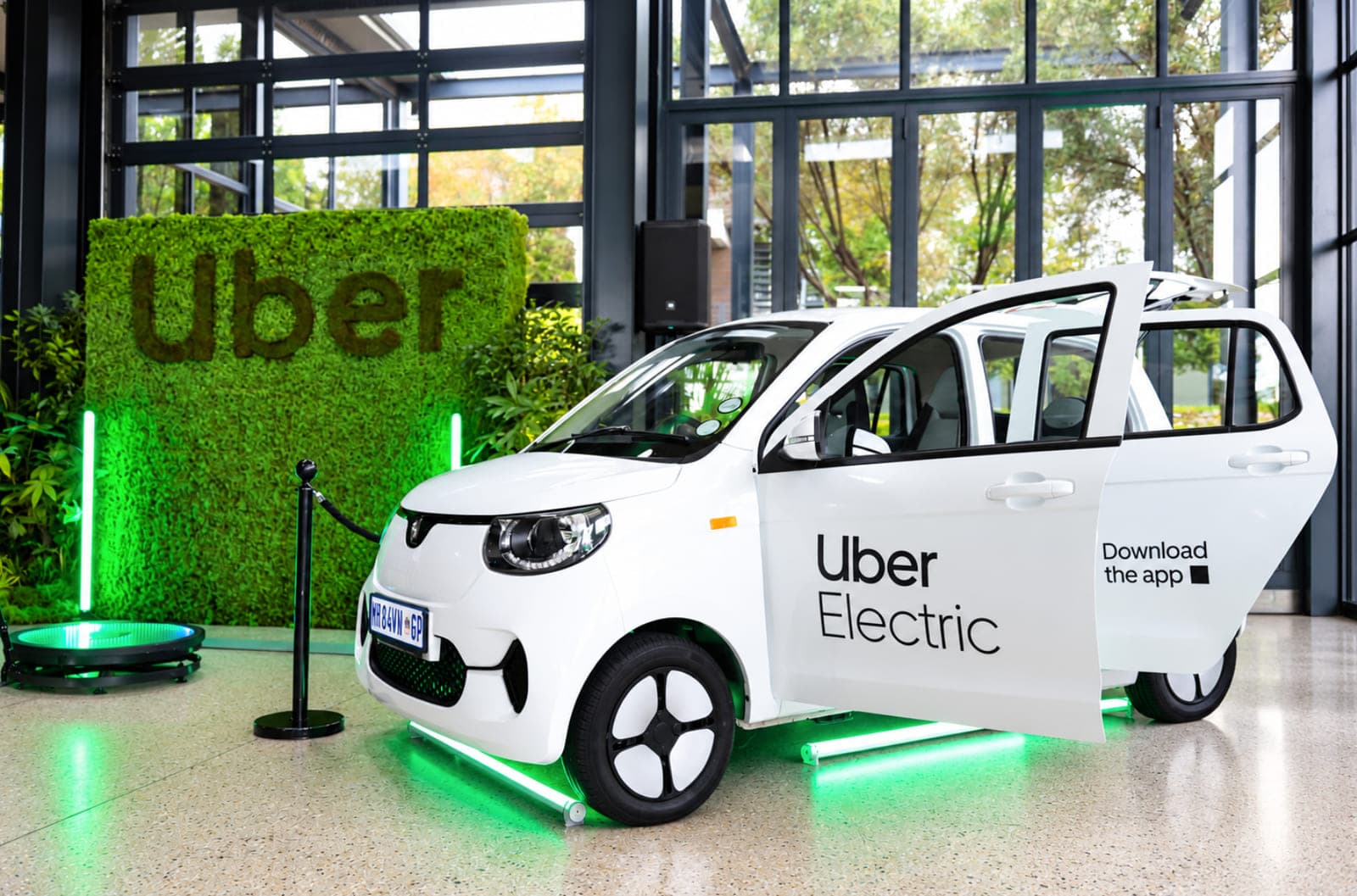
Vodacom is working with a group of automotive and financial services companies on a plan to add up to 55,000 vehicles to South Africa's e-hailing market over the next nine to 12 months. About two-thirds of the vehicles are expected to be electric. The vehicles will be available to drivers using platforms such as Uber and Bolt. The programme could support up to 110,000 driver opportunities, based on two drivers sharing each vehicle.
The companies involved are Vodacom, SmartOps Fleet, Nedbank MFC, Motus, Fidelity Services Group, Tiger Wheel & Tyre, Tyres & More, Renault and Dongfeng. The arrangement covers more than the sale or financing of a car. It includes fleet management, connectivity, security, tyres and other services needed to keep the vehicles working.
Getting a car is the first hurdle
“For an e-hailing driver, the car is the business. Every monthly payment, tyre replacement and charging bill comes out of the money earned from trips.”
For someone wanting to drive for Uber or Bolt, the first question is often where the car will come from. Buying one with cash is out of reach for many people. Financing a vehicle means taking on a monthly payment before the first passenger has even been picked up. The driver then has to pay for insurance, fuel or charging, tyres, servicing and repairs. The programme brings vehicle finance and vehicle suppliers into the same arrangement. Nedbank MFC is involved on the finance side, while Motus, Renault and Dongfeng are among the automotive companies involved.
Most of the new cars could be electric
The plan's target of having roughly two-thirds of the vehicles as EVs would put electric cars into a part of the market where vehicles are driven heavily every day. An e-hailing driver can spend several hours behind the wheel during a shift. For an EV driver, charging becomes part of the working routine.
Charging at home can be convenient for someone who has the right setup, while a driver without access to home charging may have to use a public station. The time required to charge also matters. A vehicle that is parked at a charger cannot take passengers.
Running costs do not stop at the monthly instalment
The monthly vehicle payment is only one expense. E-hailing cars cover large distances, which means tyres and brakes can wear faster and servicing comes around more often. The programme includes Tiger Wheel & Tyre and Tyres & More, while Fidelity Services Group is involved in security services.
Vodacom provides the connectivity that drivers need to stay online and receive trips. For a driver, all of these costs come out of the money earned from trips.
Two drivers could share one vehicle
The programme's estimate of up to 110,000 driver opportunities is based on two drivers using each vehicle. That model can allow a car to operate for longer hours without relying on one driver to work throughout the day. It also changes the economics of the vehicle. The more time the car spends working, the more trips it can potentially complete. But it also means more kilometres, more tyre wear and more frequent maintenance. The income from the vehicle has to cover those costs.
The numbers will be different for every driver
A driver working in Johannesburg will have different costs and trip patterns from one working in Durban or Cape Town. The same applies to a petrol vehicle and an EV. A driver who can charge at home may have a different monthly energy bill from someone relying on public charging. A driver with a financed vehicle may also have a different cost structure from someone renting one. That is why the number of vehicles alone does not tell the whole story.
The important figure for each driver is what remains after the vehicle payment, insurance, energy, tyres, maintenance and other expenses have been paid. The programme is designed to make it easier to get more vehicles into the e-hailing market. Whether those vehicles remain profitable for the people using them will depend on what it costs to keep each one on the road.