Cape Verde Reviews Fuel-Price Mechanism After October Increase
Cape Verde is looking at changes to the way it manages fuel prices after a steep increase in the cost of petroleum products pushed regulated prices higher in October.
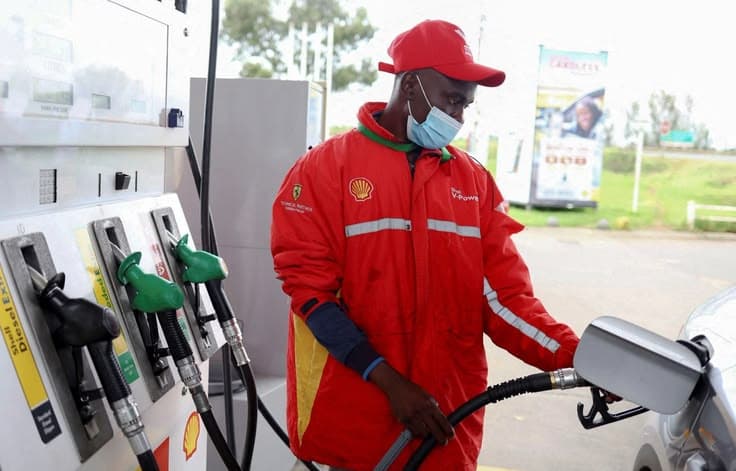
Fuel Attendant
Cape Verde is looking at changes to the way it manages fuel prices after a steep increase in the cost of petroleum products pushed regulated prices higher in October.
The government said the October adjustment followed the country's existing pricing formula, which is administered by the Multisectoral Regulatory Agency for the Economy (ARME). The formula takes movements in international oil and refined-product prices, as well as exchange rates, into account when setting domestic prices.
From October 1, the average regulated fuel-price increase was 10.70%. Gasoline moved up from 175.40 to 197.20 Cape Verdean escudos per litre, while normal diesel increased from 169.40 to 190.30 escudos per litre.
The increase followed a significant rise in international energy prices during September. Average Brent crude climbed to $99.16 per barrel, representing a 14.36% increase from August.
Refined products recorded even larger movements. International reference prices for gasoline increased by 16.60%, diesel by 14.52% and Jet A1 by 20.60%. Across the petroleum products covered by the calculation, the average increase was 20.54%.
Imported Fuel Adds Pressure to Economy
Cape Verde's reliance on imported fuel means changes in international markets quickly feed into the local economy. Higher fuel costs affect household budgets as well as businesses and industries that depend on transport and energy, including fishing.
The government is now considering changes to the country's fuel-price stabilization system. The review is intended to find a way of limiting the impact of sudden international price movements without creating an unsustainable financial burden for the state.
Butane receives temporary relief
The government's first response in October has centred on butane, where it introduced a special price-support arrangement.
Under the measure, consumers are being exposed to only 30% of the additional cost calculated under the normal pricing formula. The government is absorbing the other 70%. That intervention significantly reduced the increase consumers would otherwise have faced.
ARME calculated that butane should have risen by 19.18%, equivalent to 27.10 escudos per kilogram. The increase actually passed on to consumers was limited to 5.73%, or 8.10 escudos per kilogram. As a result, a 12.5-kilogram butane cylinder now costs 1,868 escudos.
The measure comes after another government intervention earlier in the year. In April, authorities suspended the automatic fuel-price adjustment system for three months, from April 1 to June 30, following a sharp increase in international oil prices linked to instability in the Middle East.
At the time, the government warned that allowing the normal formula to operate could have resulted in increases of more than 42% for some products.
Separate prices for power generation
ARME's October schedule also distinguishes between fuel sold for general consumption and products used in electricity generation.
Diesel for power generation is priced at 175.80 escudos per litre, while marine diesel is set at 153.30 escudos per litre. Fuel oil used for electricity production is priced at 94.80 escudos per kilogram for fuel oil 380 and 104.90 escudos for fuel oil 180.
The government's planned review will therefore have to balance three pressures: limiting the effect of international oil-price swings on consumers, keeping the fuel supply secure and preventing price-support measures from putting excessive pressure on public finances.