Tunisia invests €50 million in solar power and battery storage
Tunisia invests €50 million in solar power and battery storage — what it actually costs, who it squeezes out, and the moves an early-stage founder can borrow this quarter.
Tunisia
Tunisia is spending €50 million on a solar power project in Tataouine, but the development is not just about generating more electricity. It will also include a battery system that allows power produced during the day to be stored and used later.
AI-generated summary. It can miss nuance — read the full story above for the complete picture.
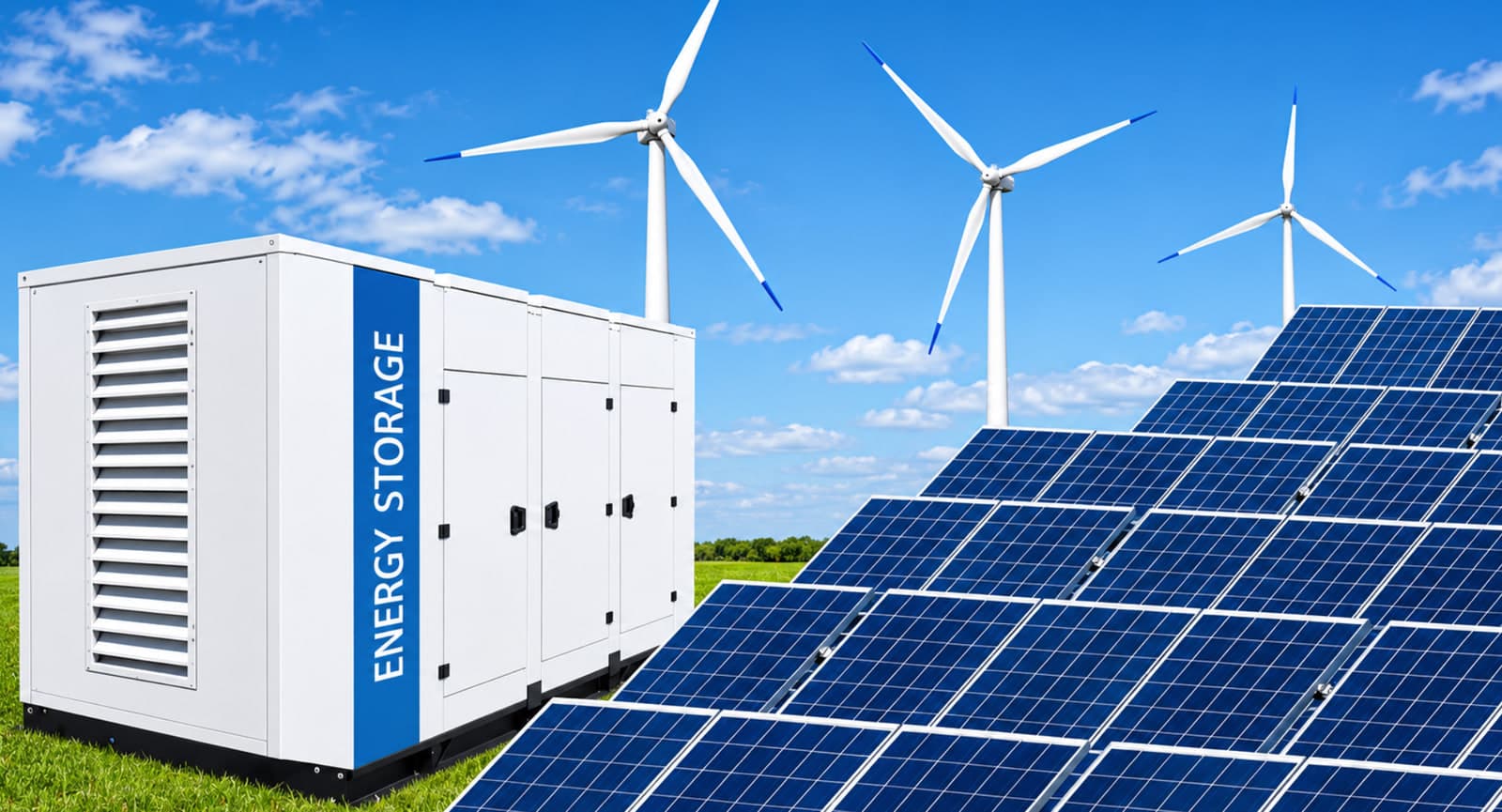
Tunisia is spending €50 million on a solar power project in Tataouine, but the development is not just about generating more electricity. It will also include a battery system that allows power produced during the day to be stored and used later. The project will be developed by Tunisia's national electricity utility, STEG, at Beni Mhira. It will have a 50MW solar plant and a battery storage system with a capacity of 20MWh.
The European Bank for Reconstruction and Development (EBRD) is providing €30 million through a loan, while the remaining €20 million comes from the Climate Investment Funds' Clean Technology Fund. Construction is expected to begin in the first quarter of 2027, with operations planned for summer 2028.
The problem with relying on daylight
"For African utilities, the question is no longer just how much solar electricity they can produce, but how to make use of it beyond daylight hours."
A solar plant produces electricity when there is enough sunlight. By late afternoon, production starts falling, even though homes, factories and businesses still need power. This is where the battery system comes in. Instead of using all the electricity as it is generated, STEG will be able to store some of it and release it when solar production drops. The project will also include a 1.2km high voltage transmission line to connect the plant to the national grid.
A cost African utilities need to consider
For electricity utilities across Africa, the cost of building a solar plant is only part of the investment. Battery storage adds another expense, but it can also help utilities get more use out of the electricity their solar facilities produce. This matters for countries where businesses and households experience pressure from unreliable electricity supply. Manufacturers, cold-storage operators and other electricity-dependent businesses need power beyond the hours when solar panels are producing at full capacity.
However, batteries require money to install, maintain and eventually replace. Utilities must work out whether the savings and additional electricity supply justify those costs. Tunisia's project provides a practical example of how a solar facility and battery storage can be developed together, rather than treating storage as a separate investment.
Tunisia has bigger plans
The Beni Mhira development forms part of STEG's wider programme to install 380MW of solar generation and 100MWh of battery storage. Tunisia wants renewable energy to account for 35% of its electricity mix by 2030. It is also looking to reduce its reliance on imported fossil fuels.
The Beni Mhira plant will give the utility its first experience with a utility scale battery storage system. Its performance, operating costs and ability to support the grid will be important as Tunisia considers further projects.