South African Startup Jumpstarter Uses Crowdfunding to Back Early-Stage Ideas
South African crowdfunding startup Jumpstarter is giving entrepreneurs an alternative to bank loans and venture capital, allowing them to raise funds directly from supporters while testing demand for their products and ideas.
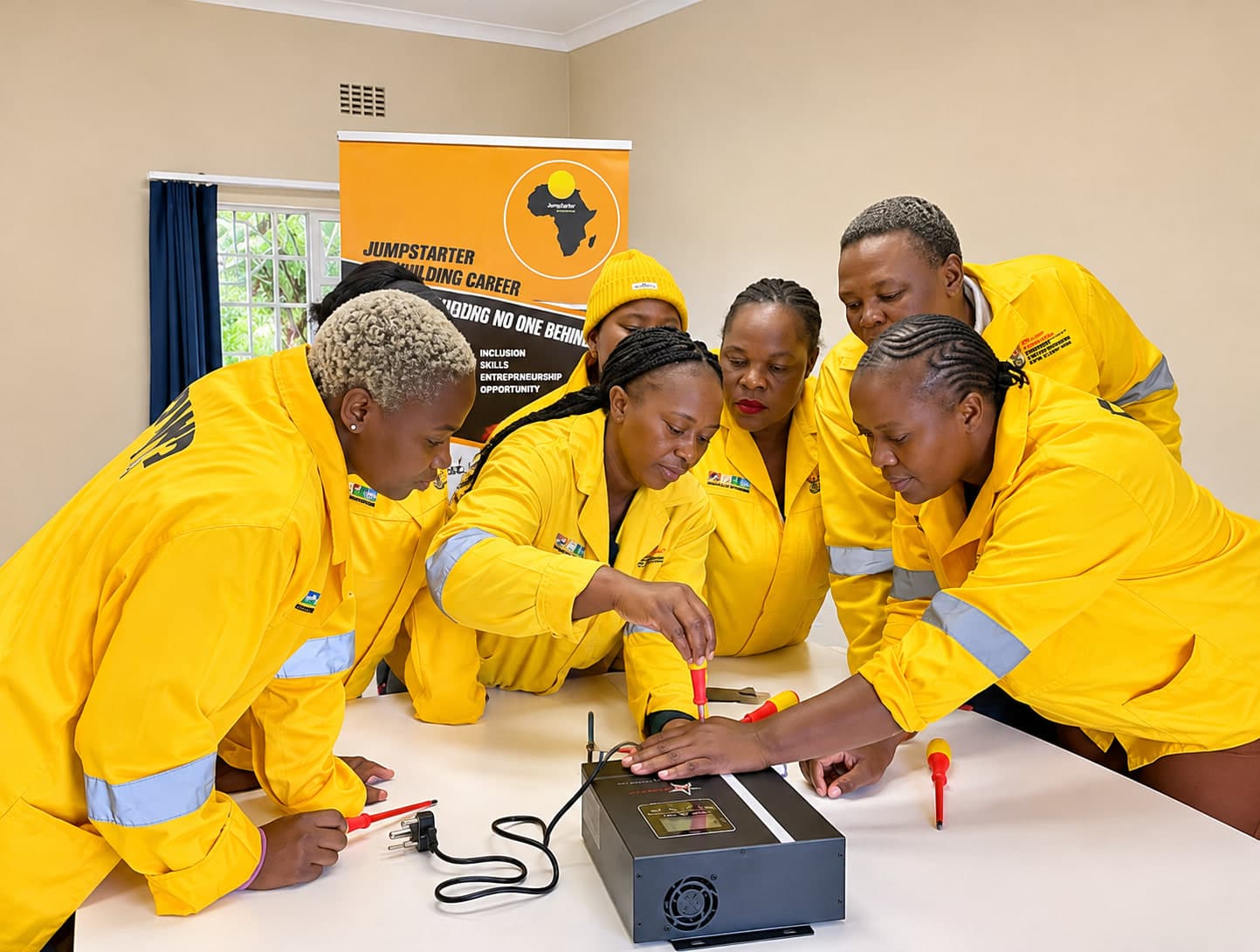
Hands On
South African startup Jumpstarter is giving entrepreneurs, creatives and social-impact organisations a way to raise money directly from supporters without taking out loans or selling shares in their businesses.
The Cape Town-based platform uses a rewards-based crowdfunding model in which project creators set a funding target and invite people to contribute. Backers receive rewards such as products, experiences or other project-related benefits rather than equity.
Founded in 2012, Jumpstarter has recorded R1.348 million in funding across 36 projects, according to figures published on its platform. Its campaigns have covered food and beverages, creative arts, technology, publishing, green technology and community development.
Funding is released only when targets are met
Jumpstarter operates an all-or-nothing model. Campaigns run for between one and 60 days, and creators receive the pledged money only if they reach 100% of their funding target.
If a campaign falls short, the pledges are returned to supporters and the creator pays no platform fee. This means businesses must build an audience willing to support their projects before they can access the funds.
The platform charges a 7% fee on successful for-profit campaigns and 5% for registered non-profit organisations and schools. Payment processing fees are charged separately.
Past campaigns include support for Cape Town's Charly's Bakery during the COVID-19 lockdown disruptions and funding for the commercial launch of the Pirate Masters card game.
Building a funding route outside banks and venture capital
Jumpstarter co-founder and chief operating officer Derek Whitehead told Disrupt Africa that South African small businesses face a substantial early-stage financing gap. He estimates that the funding shortfall for micro, small and medium-sized enterprises stands between R80 billion and R100 billion.
Traditional lenders often require collateral and established financial records, while venture capital investors tend to favour businesses with high growth potential. Crowdfunding gives founders another option: they can ask potential customers and their communities to support a product or project before it reaches the market.
But launching a campaign does not guarantee contributions. Whitehead says creators should secure the first 20% to 30% of their target from their immediate networks within the first 48 hours. Early support can help attract wider attention and encourage additional pledges.
CATAPULT programme supports regional ambitions
Jumpstarter was selected for the 2026 CATAPULT: Inclusion Africa cohort, run by the Luxembourg House of Financial Technology. The programme offers an opportunity to develop its approach to financial inclusion and strengthen its business model.
Jumpstarter is also preparing for regional expansion, with Kenya and Nigeria under consideration as its next markets over the next 24 to 36 months. Before that expansion, the company is working to introduce PayShap and instant EFT, giving South African users additional ways to contribute to campaigns.