South African banks are lending more to renewable energy — but fossil fuels haven't disappeared
South Africa's banks are financing solar farms while still lending to coal and other fossil-fuel businesses. Both things are happening at the same time.
renewable energy
South Africa's banks are financing solar farms while still lending to coal and other fossil-fuel businesses. Both things are happening at the same time. The country's five biggest banks have increased their financing for renewable energy and other sustainable activities, according to a recent assessment by Just Share.
AI-generated summary. It can miss nuance — read the full story above for the complete picture.
South Africa's banks are financing solar farms while still lending to coal and other fossil-fuel businesses. Both things are happening at the same time. The country's five biggest banks have increased their financing for renewable energy and other sustainable activities, according to a recent assessment by Just Share. But their exposure to fossil fuels remains sizeable. That tells you something about where South Africa's power market is right now. Solar is growing, but coal has not gone anywhere.
Follow the money
Some of the numbers show how much financing is moving into renewable energy. Standard Bank says it mobilised R50.6 billion in sustainable finance during the first half of 2026, including funding for renewable energy projects. Nedbank has also financed renewable projects and equipment such as solar and energy efficiency systems. For a developer building a solar plant, this money pays for very ordinary things: panels, equipment, construction and connection to the grid. The bank gets its money back from the project over time.
“The interesting part is not just how much money is labelled ‘green’. It is who can actually borrow it, what they use it for and whether the numbers work once the loan has to be repaid.”
Then there is the business down the road
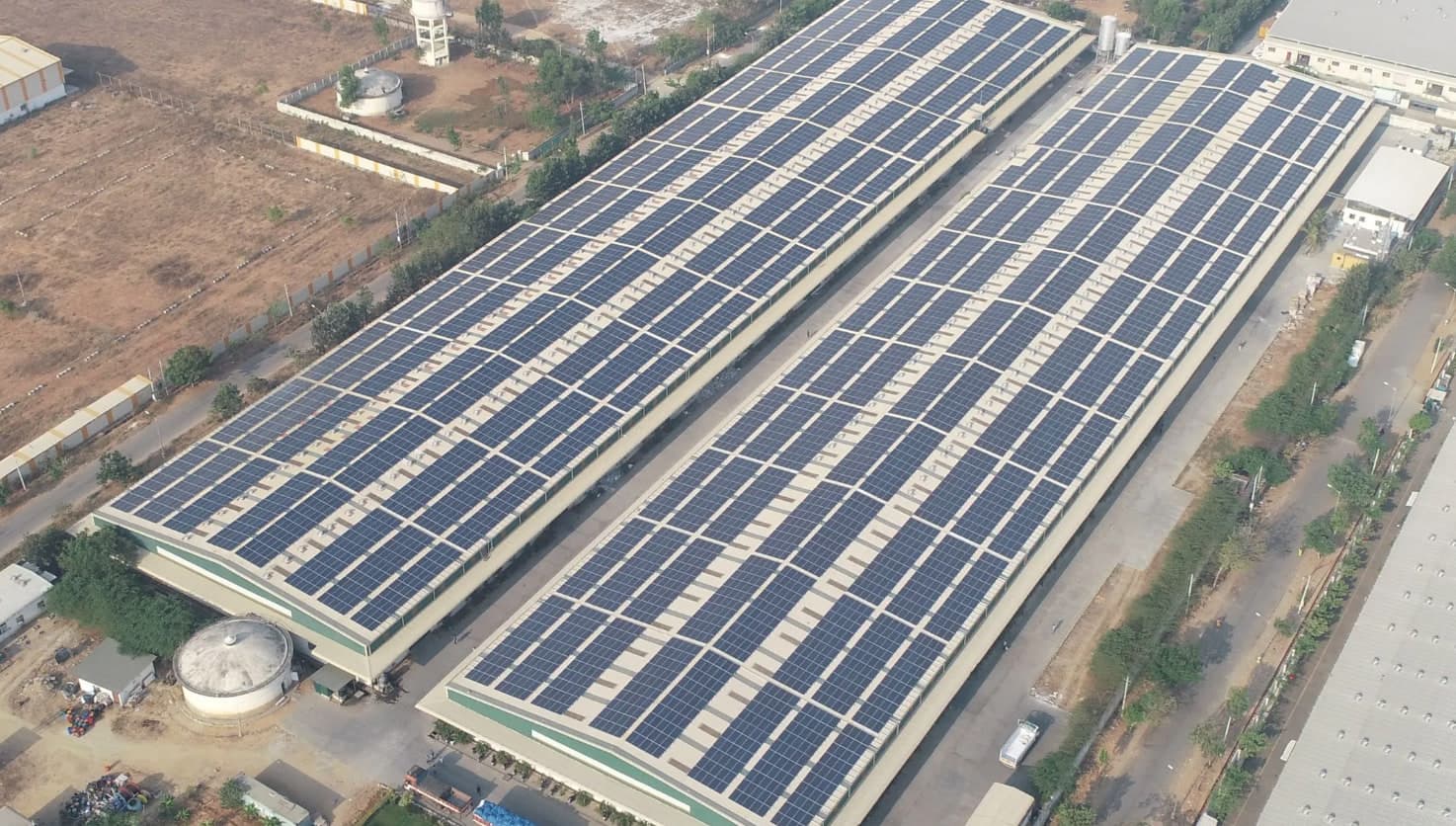
Renewable energy finance is not only about massive solar projects. A factory can borrow money for rooftop solar. A warehouse can add batteries. A shopping centre can install panels and reduce the amount of Eskom electricity it buys. For an SME, though, getting a loan for this can be harder. A small business might know that solar could lower its electricity bill but still struggle to come up with the upfront money. It also has to work out whether the saving on its monthly electricity bill will cover the loan repayment. That calculation matters more to a small business than whether a bank has announced another billion rand sustainable finance target.
Coal is still part of the picture
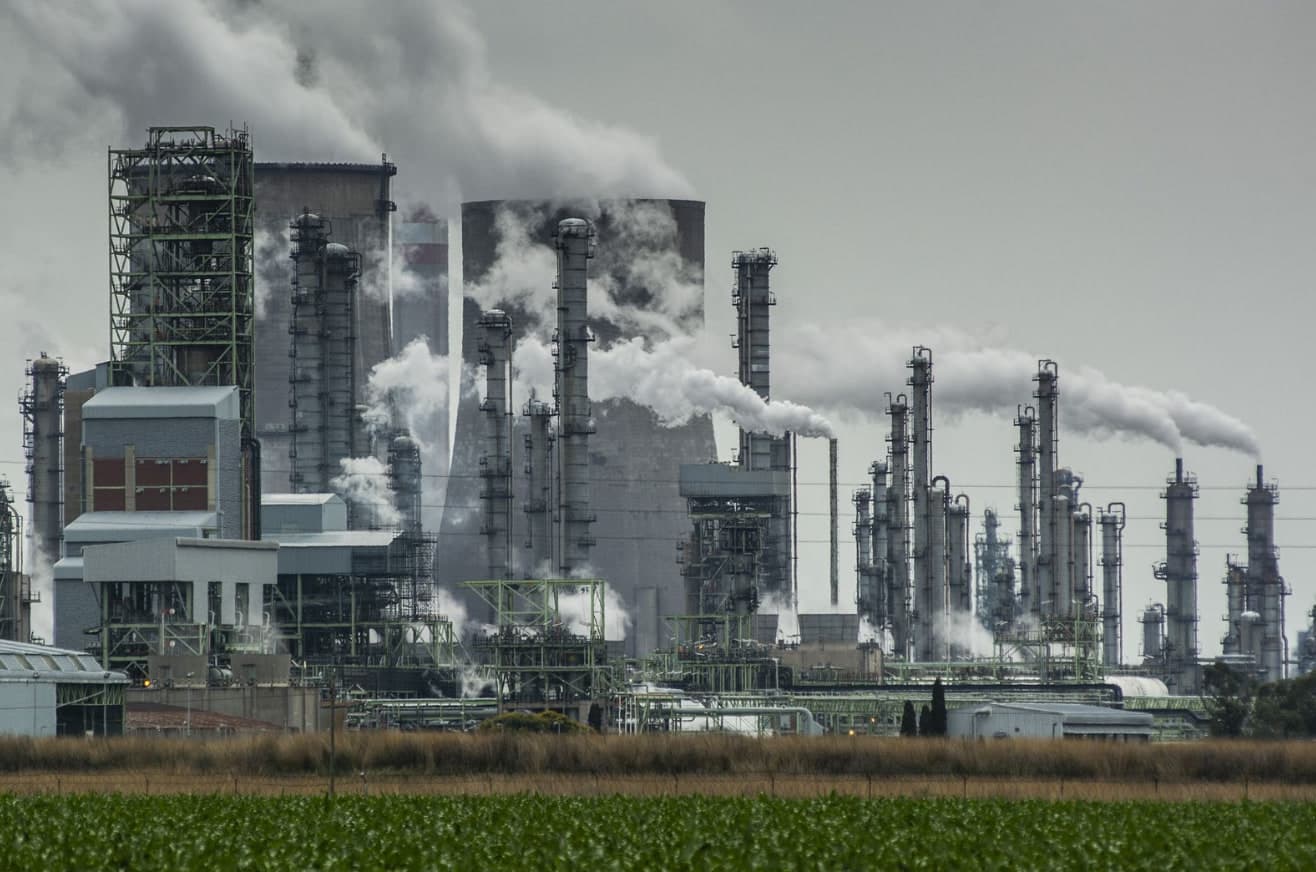
South Africa's economy has not stopped depending on fossil fuels. Coal mines still need finance. Mining contractors need working capital. Transport companies move coal. Eskom's coal-fired power stations continue to provide most of the country's electricity. So the same banks financing renewable projects can have loans and other financial exposure to fossil-fuel companies. The Just Share assessment points to this continued exposure even as banks increase their renewable and sustainable financing. There is no clean break between the two parts of the economy.
SMEs are looking for cheaper power
For many smaller companies, the reason for installing solar has little to do with environmental targets. It is about the electricity bill. A small manufacturer with expensive machinery has to keep its power costs under control. A cold-storage business cannot afford long interruptions. A retailer needs its fridges and freezers running.
Solar and batteries can help, but they cost money. That is where bank finance can make a difference if the loan terms make sense for the business. It also creates work for smaller companies installing and maintaining the equipment. Solar installers need electricians. Battery systems need technicians. Businesses need people to monitor and maintain the equipment after installation.
The finance does not reach everyone equally
There is a big difference between financing a large solar project with a long-term electricity buyer and financing a small company that wants panels on its roof. The larger project has contracts, predictable revenue and assets that a bank can assess. The small business may have a short trading history, limited assets and uneven cash flow.
That makes the second loan harder to price. So while banks are putting more money into renewable energy, that does not automatically mean every SME looking for solar finance will get it. The interesting part of the banking story is therefore not just how much money is labelled “green”. It is who can actually borrow it, what they use it for and whether the numbers work once the loan has to be repaid.