Gabon Gives TGS 10-Year Mandate to Unlock Deepwater Oil Exploration
Gabon has signed a 10-year partnership with Norwegian geophysical data company TGS to commercialise, reprocess and potentially acquire offshore seismic data as the government seeks to attract new exploration investment into its deepwater and ultra-deepwater acreage.
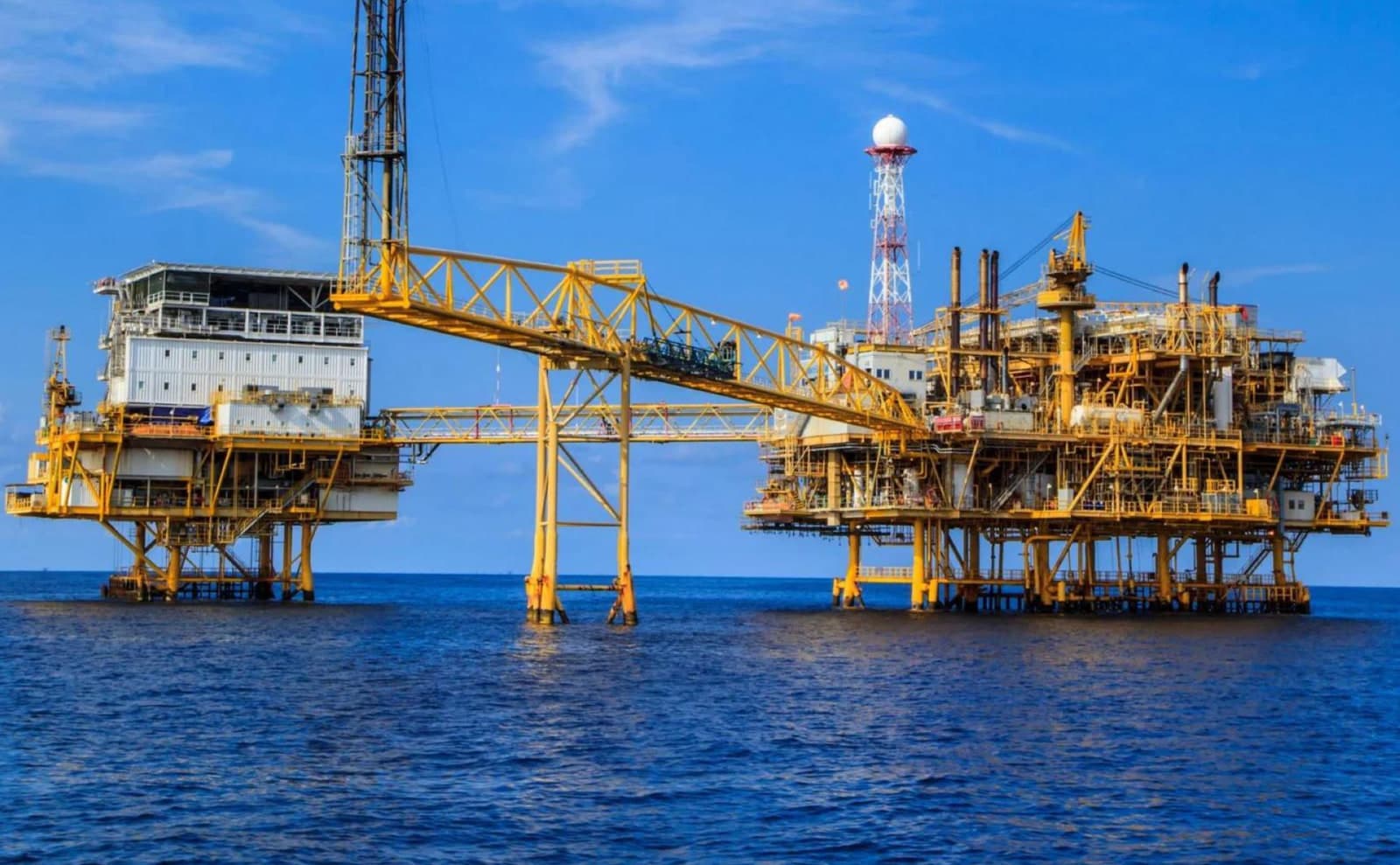
Deep water Rig
Gabon has signed a 10-year partnership with Norwegian geophysical data company TGS to commercialise, reprocess and potentially acquire offshore seismic data as the government seeks to attract new exploration investment into its deepwater and ultra-deepwater acreage.
The agreement was signed in London on September 29 and 30 during the World Energies Summit. It extends more than two decades of cooperation between TGS and the Gabonese government.
The agreement gives TGS a central role in managing Gabon’s offshore data. Its responsibilities will include marketing existing exploration datasets, upgrading older seismic surveys and potentially collecting new data in deepwater areas.
TGS will also hold exclusive rights across a large part of Gabon’s deepwater acreage, giving oil companies a clearer route to access geological information when assessing potential exploration opportunities.
Turning Seismic Data Into Exploration Opportunities
The deal is built around a basic requirement of offshore oil exploration: companies need reliable information about what lies beneath the seabed before committing significant amounts of money to drilling.
Seismic surveys allow exploration companies to build images of underground geological structures. Older surveys can also be reprocessed using newer imaging and interpretation technologies, potentially revealing details that were not visible when the original data was collected.
TGS will therefore work across the data cycle, from existing datasets and legacy seismic information to possible new acquisition campaigns.
For Gabon, the immediate objective is to make its offshore acreage easier for international oil companies to assess. TGS will market the available information to potential investors and help companies identify areas that warrant further technical evaluation.
The agreement does not represent a new oil discovery or guarantee that drilling will take place. Its commercial value will depend on whether companies use the improved data to acquire acreage, conduct new seismic surveys, drill wells and make investment decisions.
Major Oil Companies Are Already Assessing Gabon
The TGS agreement comes as several major oil companies have shown renewed interest in Gabon’s offshore potential.
ExxonMobil signed a memorandum of understanding with the Gabonese government in October 2025 to evaluate deepwater and ultra-deepwater opportunities. BP followed with a similar preliminary agreement later that month.
Those agreements were intended to assess exploration opportunities and did not constitute production-sharing contracts.
In April 2026, Petroleum Minister Clotaire Kondja said Gabon expected to move towards production-sharing agreements with BP and ExxonMobil within four to six months. However, as of October 5, no PSC involving either company had been publicly announced.
Shell also entered the picture in June 2026 after signing a memorandum of understanding with Gabon covering the technical evaluation of several deepwater and ultra-deepwater blocks.
The Shell agreement involves geological and seismic information to assess the exploration potential of the blocks.
The three majors therefore remain at the evaluation or preliminary agreement stage. The TGS partnership provides additional data infrastructure as Gabon works to turn that interest into actual exploration commitments.
Deepwater Exploration Is Becoming More Important
Gabon has historically relied heavily on established oil fields, including assets in shallow-water areas. Several of these fields are mature, putting pressure on the country to find new sources of production.
The government is therefore looking increasingly towards deeper offshore areas, where exploration has been more limited but where Gabon sees additional potential.
Recent industry discussions have highlighted Gabon’s deepwater and ultra-deepwater acreage as an opportunity for companies with the technology and financial capacity to operate in challenging offshore environments.
TGS’s new agreement is designed to support that strategy by improving the geological information available to potential investors.
The company has worked with Gabon for more than 20 years, giving it existing knowledge of the country’s offshore data and exploration environment. The new 10-year arrangement extends that relationship into a more extensive deepwater programme.
Production Needs New Investment
Gabon is also trying to maintain oil output while attracting investment into new fields and existing assets.
OPEC data based on secondary sources put Gabon’s average oil production at about 227,000 barrels per day in 2025. Production stood at around 210,000 barrels per day in March 2026, compared with 216,000 barrels per day in February.
The government has also been developing new production from existing assets. The broader strategy combines investment in mature fields with exploration for additional reserves.
At the World Energies Summit, Gabon’s delegation used the country’s deepwater potential to attract international investors, with discussions involving companies including ExxonMobil, BP, Shell, Equinor and Woodside Energy.
The Real Test Comes After the Data
The TGS agreement gives Gabon a stronger platform for presenting its offshore opportunities to potential investors, but better seismic information does not automatically translate into new oil production.
Exploration companies still need to assess the data, secure acreage, raise capital and drill wells. Those wells then have to confirm commercially viable hydrocarbons before development can begin. the key measure of success will therefore be what follows the data programme: new exploration licences, additional seismic activity, drilling campaigns, discoveries and investment decisions.
The financial terms of the 10-year TGS agreement have not been disclosed.
For now, Gabon is putting more resources behind its offshore data while international oil companies assess its deepwater opportunities. The government hopes clearer geological information will reduce exploration uncertainty and help turn interest from major operators into actual drilling and, eventually, new production.