South Africa builds cars. So why are imported cars cheaper?
South Africa has been building cars for years. Toyota, Volkswagen, Ford, Isuzu and Mercedes-Benz all have manufacturing operations in the country.

SA Cars
South Africa has been building cars for years.
Toyota, Volkswagen, Ford, Isuzu and Mercedes-Benz all have manufacturing operations in the country. These plants employ people and support businesses that supply parts and services to the automotive industry.
But something has changed in the new-car market.
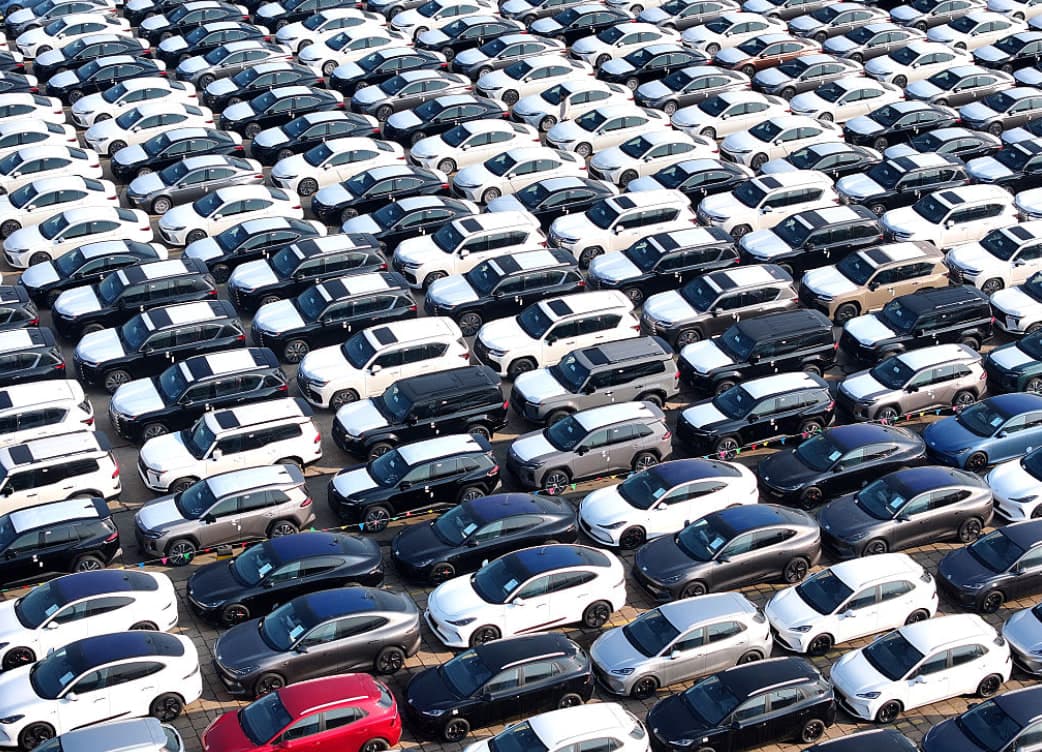
Some of the cars selling at the lower end of the market are imported, and many of them are coming from China.
AI-generated summary. It can miss nuance — read the full story above for the complete picture.
South Africa has been building cars for years. Toyota, Volkswagen, Ford, Isuzu and Mercedes-Benz all have manufacturing operations in the country. These plants employ people and support businesses that supply parts and services to the automotive industry. But something has changed in the new-car market. Some of the cars selling at the lower end of the market are imported, and many of them are coming from China. In some cases, they are cheaper than cars built in South Africa. That may sound strange. A car made here does not have to be shipped from China, so why can the imported car still cost less? The answer comes down to how much it costs to make the car in the first place.
China makes cars at a very different scale
China has a much bigger car market than South Africa. Its manufacturers also have large networks of companies making batteries, electronics, engines, transmissions and other vehicle components. That matters because buying or making parts in large quantities can bring down the cost of each vehicle. South Africa cannot match that volume. The local factories are important, but they operate in a much smaller market. They also build specific models for South Africa and export markets rather than producing the enormous volumes seen in China. So the fact that a car is built here does not automatically mean it will be cheaper. There is a lot more behind the price.
“The fact that a car is built here does not automatically mean it will be cheaper.”
Then Chinese cars arrived
For years, South African buyers looking for an affordable new car had a fairly familiar list of brands to choose from. That list has grown. Chinese manufacturers have entered the market with brands such as Chery, Haval, GWM, BAIC, JAC and others. They have also been willing to compete hard on price. Some models come with features that would have cost extra on older established brands. That puts pressure on companies that have been selling cars here for decades. A buyer does not necessarily care where the factory is when they are sitting with a salesperson. They want to know how much the car costs. More importantly, if they are financing it, they want to know what the monthly payment will be.
R50,000 is a lot when you are financing a car
This is where the price difference becomes important. Say two cars are similar in size and purpose, but one costs R300,000 and the other R350,000. The difference is R50,000 before interest and other costs. Once the car is financed over several years, that difference shows up in the monthly payment. For someone already trying to keep a car payment within their budget, another few hundred rand a month can be enough to change the decision. This is why cheaper imported cars can put pressure on locally built vehicles. The customer is not comparing factories. They are comparing prices.
Building a car here is expensive
A vehicle factory needs much more than workers and machinery. There is electricity, maintenance, transport and components. Parts have to be brought into the plant and finished vehicles have to be moved to dealers. The people working in the factory and the companies supplying it also have to be paid. All of those costs form part of the price of the vehicle. A manufacturer producing millions of vehicles can spread many of its costs across a much larger number of cars. A manufacturer producing a smaller number cannot do that to the same extent. This is one reason scale matters so much in the car industry.
South Africa also has to protect its factories
The government has spent years trying to keep vehicle manufacturing in South Africa. There are tariffs on imported vehicles and incentives aimed at encouraging manufacturers to build vehicles and components locally. It is a way of supporting an industry that employs thousands of people and brings export revenue into the country. But tariffs and incentives do not mean locally built cars will always be cheaper. The manufacturers still have to compete with vehicles coming from countries where production is done on a much larger scale. And Chinese brands are becoming more established in South Africa.
The cheaper car is not always the cheaper car
There is another part of the calculation that buyers need to consider. The price on the windscreen is not the full cost of owning a car. There is finance. Insurance. Fuel. Servicing. Parts. And eventually, the resale value. This is where established brands still have something going for them. Toyota, Volkswagen, Ford and other long standing brands have large dealer and parts networks in South Africa. There are also many more of their older vehicles on the road, which gives buyers and dealers more information about what those cars are worth when they are used. Some Chinese brands are still relatively new here. Their cars may be cheaper when new, but buyers will want to know what happens to those prices after three or five years. That will become increasingly important as more people trade these vehicles in.
It also matters to the factories
There is a reason South Africa wants to keep these factories operating. A vehicle plant does not only employ the people who work inside it. There are companies supplying seats, glass, tyres, electronics and other components. There are transport companies moving parts and finished vehicles. There are dealerships, repair businesses and other services around the industry. And the vehicles built here are also exported. So when manufacturers decide where to build a new model, South Africa is competing with other countries for that investment. The cost of production matters. So does the size of the local market and the cost of getting vehicles into export markets.
The Chinese competition is not going away
For South African buyers, the arrival of more Chinese brands is giving them something they have wanted for years: more choice at different prices. But it also means the established manufacturers cannot assume that customers will continue buying their cars simply because they know the badge. If a Chinese vehicle is cheaper, has more standard equipment and offers a long warranty, it will get a look.
The locally built car has to make sense on its own. That does not mean South Africa's automotive industry is in trouble. It does mean the industry is dealing with a different kind of competition. South Africa can build the car here. The challenge is doing it at a price that makes sense when another manufacturer can build a similar vehicle thousands of kilometres away, ship it here and still sell it for less. For the person buying the car, the decision is much simpler. They have a budget. They have a monthly payment they can afford. And they want the best car they can get for that money.