
Six Rwandan Startups Secure Rwf60m in iAccelerator Funding
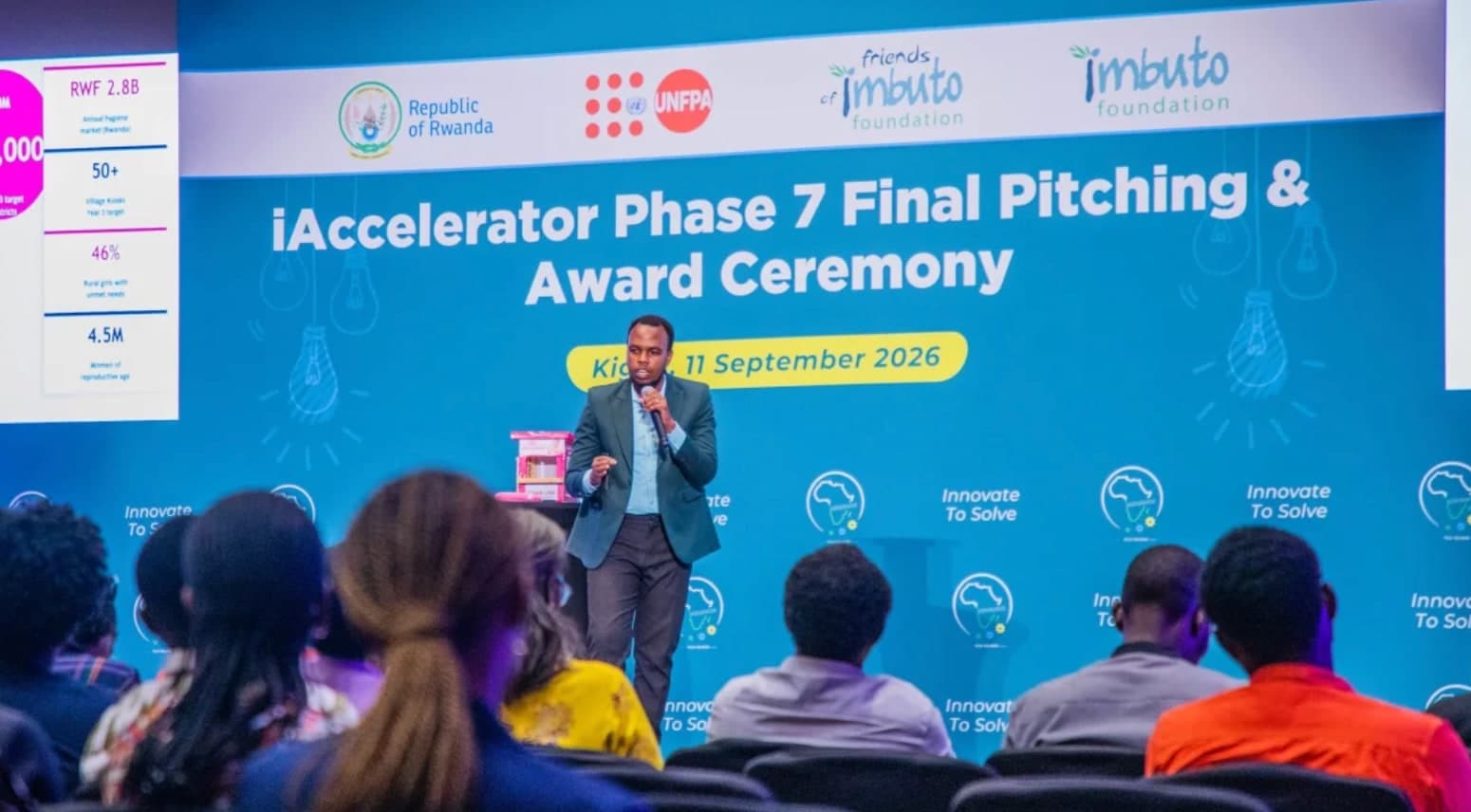
Six Rwandan startups have collectively secured Rwf60 million (about $50,000) in seed funding through the seventh phase of the iAccelerator programme, with each venture receiving Rwf10 million to develop solutions focused on mental health and adolescent sexual and reproductive health.
iAccelerator
Six Rwandan startups have collectively secured Rwf60 million (about $50,000) in seed funding through the seventh phase of the iAccelerator programme, with each venture receiving Rwf10 million to develop solutions focused on mental health and adolescent sexual and reproductive health.
The startups were selected from 15 finalists in the programme, which is run by the Imbuto Foundation and its partners. The funding is provided as non-dilutive capital, meaning the founders do not give up equity in exchange for the grants.
The iAccelerator programme was launched in 2016 to support young entrepreneurs through mentorship, training, skills development and seed funding. Its focus areas include mental health, sexual and reproductive health, sexuality education, family planning and maternal health. Partners supporting the programme include UNFPA Rwanda, the Ministry of Youth and Arts and Friends of Imbuto.
What the startups are building
Among the funded ventures is Steps Initiative, led by Alain Nshimiyimana, which works on drug addiction awareness and mental health.
The organisation, which has operated since 2021, plans to use the funding to expand its outreach work and develop a mobile application that will help users assess alcohol addiction, access mental health information and connect with healthcare professionals. Steps Initiative says it has carried out about 100 outreach activities, reached around 35 schools and worked with four rehabilitation centres in Huye and Nyarugenge districts.
Another recipient is the Tuza Smart Bracelet, founded by Djuma Itangishaka. The wearable device is designed to identify early signs associated with mental health disorders, anxiety and stress.
The bracelet uses haptic vibrations to help calm users, while a connected mobile application provides exercises for people experiencing persistent distress.
Another funded venture plans to use its Rwf10 million grant to develop pad dispensers, logistics and outreach programmes, with a target of reaching at least 50 schools and more than 30,000 girls.
Supporting early-stage innovation
The latest iAccelerator funding adds to Rwanda's efforts to support startups working on health and social-impact challenges. Previous cohorts have backed ventures including BohokApp, an AI-powered platform connecting users with mental health experts, and JoCare, which provides sexual and reproductive health information through educational tools. In 2022, four startups received a combined $40,000, with each venture receiving $10,000.
For the six latest recipients, the Rwf10 million grants provide early capital to develop their products, expand outreach and test their solutions with more users.
The programme also gives founders access to mentorship and skills development, which can help them move their ideas beyond the early development stage and build the traction needed for future funding.
What comes next
The immediate focus for the six startups will be turning the funding into working products and wider adoption.
Steps Initiative plans to expand its mobile application and community programmes, while Tuza Smart Bracelet can use the funding to further develop its mental health technology.
For the other recipients, the grants will support product development, distribution and outreach in areas including adolescent health and menstrual health.
The latest funding round highlights the role of non-dilutive capital in helping early-stage African startups develop solutions before they are ready to raise larger commercial investment.