Prodalim takes control of South Africa's Brenn-O-Kem in $37 million deal
The business of making wine does not end when the juice is pressed and the bottles are filled. Grape skins, seeds and other materials left behind can still be used to make ingredients for food, beverages and other products.
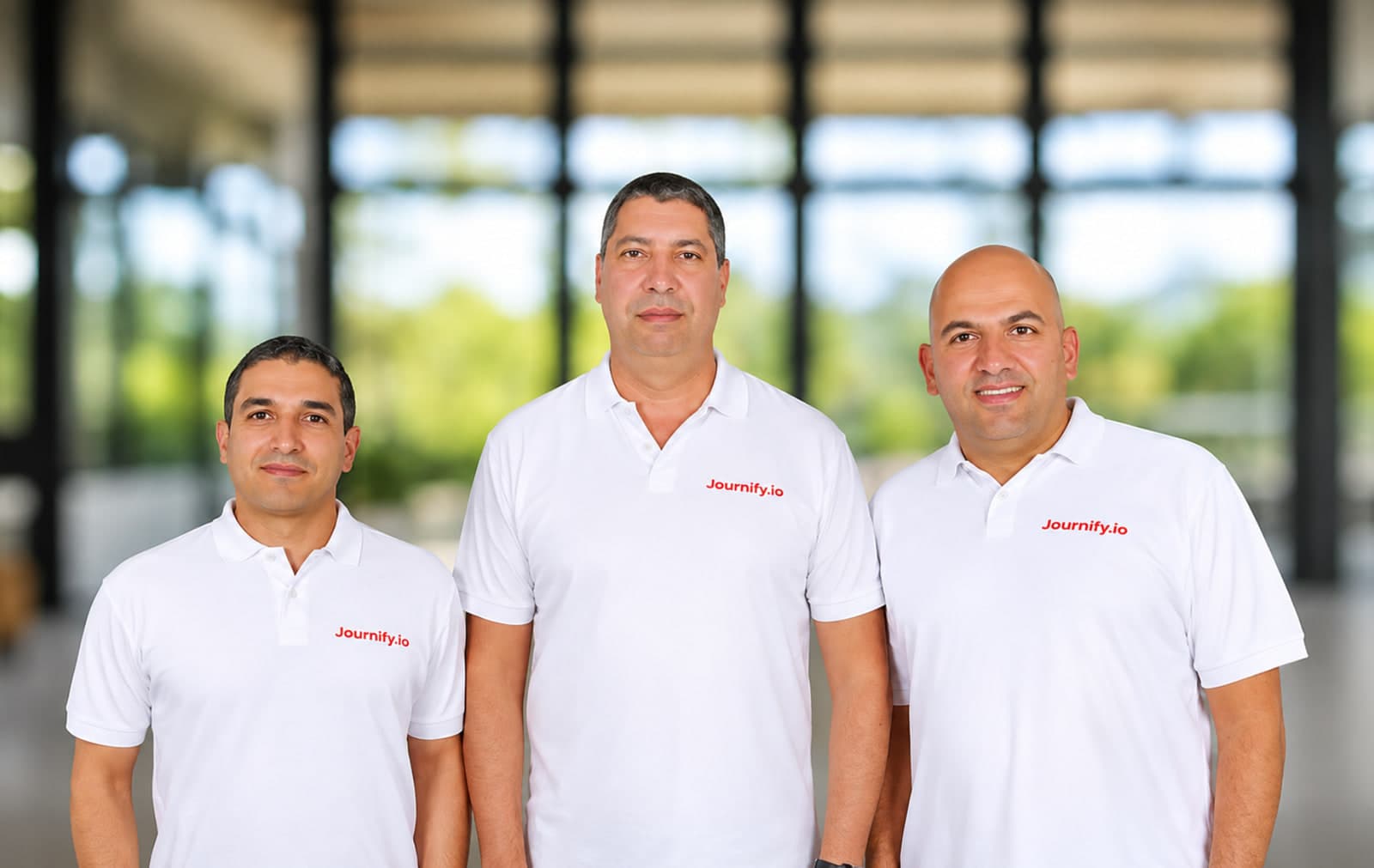
Prodalim
The business of making wine does not end when the juice is pressed and the bottles are filled. Grape skins, seeds and other materials left behind can still be used to make ingredients for food, beverages and other products.
AI-generated summary. It can miss nuance — read the full story above for the complete picture.
The business of making wine does not end when the juice is pressed and the bottles are filled. Grape skins, seeds and other materials left behind can still be used to make ingredients for food, beverages and other products. South African company Brenn-O-Kem has built its business around that part of the industry. Now, international ingredients group Prodalim is buying a 93.25% stake in the company for $37 million.
Brenn-O-Kem has operated in the Western Cape since 1968. It runs three processing facilities and employs 160 people. In the 12 months to September 2026, the company recorded revenue of approximately $29 million and EBITDA of $8 million. For Prodalim, the acquisition provides an established operation in South Africa, along with access to the local wine industry's supply of raw materials.
There is a market for what wineries leave behind
"Opportunities in agriculture and manufacturing are not limited to producing the main product. Smaller businesses can also participate by supporting the companies doing the processing."
After grapes are pressed, the skins, seeds and other residue still have commercial uses. Brenn-O-Kem processes materials such as grape pomace and wine lees to recover ingredients that other manufacturers can use. Its products include tartaric acid for food, beverage and pharmaceutical applications, grape seed extracts, natural colourings, grape seed oil and aromatic alcohol used in the wine and spirits industry.
The company also makes compost for agricultural and animal nutrition applications. Brenn-O-Kem is not selling wine to consumers. It supplies ingredients to manufacturers that need specific materials for their own products. That makes it part of a supply chain that is less visible than wine production itself, but has its own customers and commercial opportunities.
Prodalim wants access to the business and its customers
Prodalim operates in the juice and specialty ingredients market. Bringing Brenn-O-Kem into the group gives it an existing production base and access to relationships with South African wine producers. Brenn-O-Kem, in turn, will have access to Prodalim's international distribution network. That could help the company sell more of its ingredients outside South Africa.
The deal also includes an opportunity to introduce Prodalim's Solos dealcoholisation technology to local wine producers. The technology is used in producing no- and low-alcohol beverages. South African wine producers looking to enter that market could become potential customers, although the companies have not disclosed how many producers they expect to work with or what revenue the technology could generate locally.
What the deal could mean for SMEs
The acquisition is also worth watching from the perspective of smaller businesses operating around the agricultural and manufacturing sectors. A processing operation of this size needs more than grapes and production equipment. It relies on transport, storage, maintenance, packaging, cleaning, technical services and a steady supply of materials.
These are areas where smaller South African businesses could find opportunities. Transport companies, engineering workshops, packaging suppliers and agricultural service providers, for example, could potentially supply or support operations of this kind. There may also be opportunities for smaller agricultural businesses involved in collecting and handling by-products from wine producers. However, supplying an industrial processor requires more than having access to raw materials. Businesses need to meet quality requirements, deliver consistently and handle the volumes required by the buyer.
For SMEs, the lesson is to look at the businesses operating further along the supply chain. A large investment does not automatically create contracts for smaller suppliers, but it can create demand for services and inputs around an expanding operation. The challenge is getting into those supply chains and meeting the standards expected by larger manufacturers.
The numbers behind the acquisition
Brenn-O-Kem's financial performance gives some indication of why the business attracted interest. It generated about $29 million in revenue and $8 million in EBITDA in the year to September 2026. Its existing management team will remain involved and retain an ownership stake after the transaction. Prodalim will hold the 93.25% majority interest.
The arrangement gives Prodalim control while keeping the people who understand the operation, its suppliers and customers involved in the business.
More than a wine industry deal
The acquisition puts Brenn-O-Kem inside a larger international ingredients business. The immediate opportunity is to use Prodalim's distribution network to reach more customers for products already made at its Western Cape facilities. For South Africa, the transaction also draws attention to businesses making money from materials that are often treated as waste. Processing these by-products creates another source of commercial value within the wine industry.
For SMEs, there is a wider point. Opportunities in agriculture and manufacturing are not limited to producing the main product. Smaller businesses can also participate by supplying materials, providing technical services and supporting the companies doing the processing. Brenn-O-Kem has spent decades turning winery residue into ingredients for other industries. Prodalim is now paying $37 million for a controlling stake in that operation. How the business expands, and whether that growth creates more work for local suppliers, will be worth following.