Maputo Port’s $150 million upgrade could change how regional cargo moves
A South African company importing goods through Maputo has a simple calculation to make: will using the port save time or money compared with other routes?
Maputo
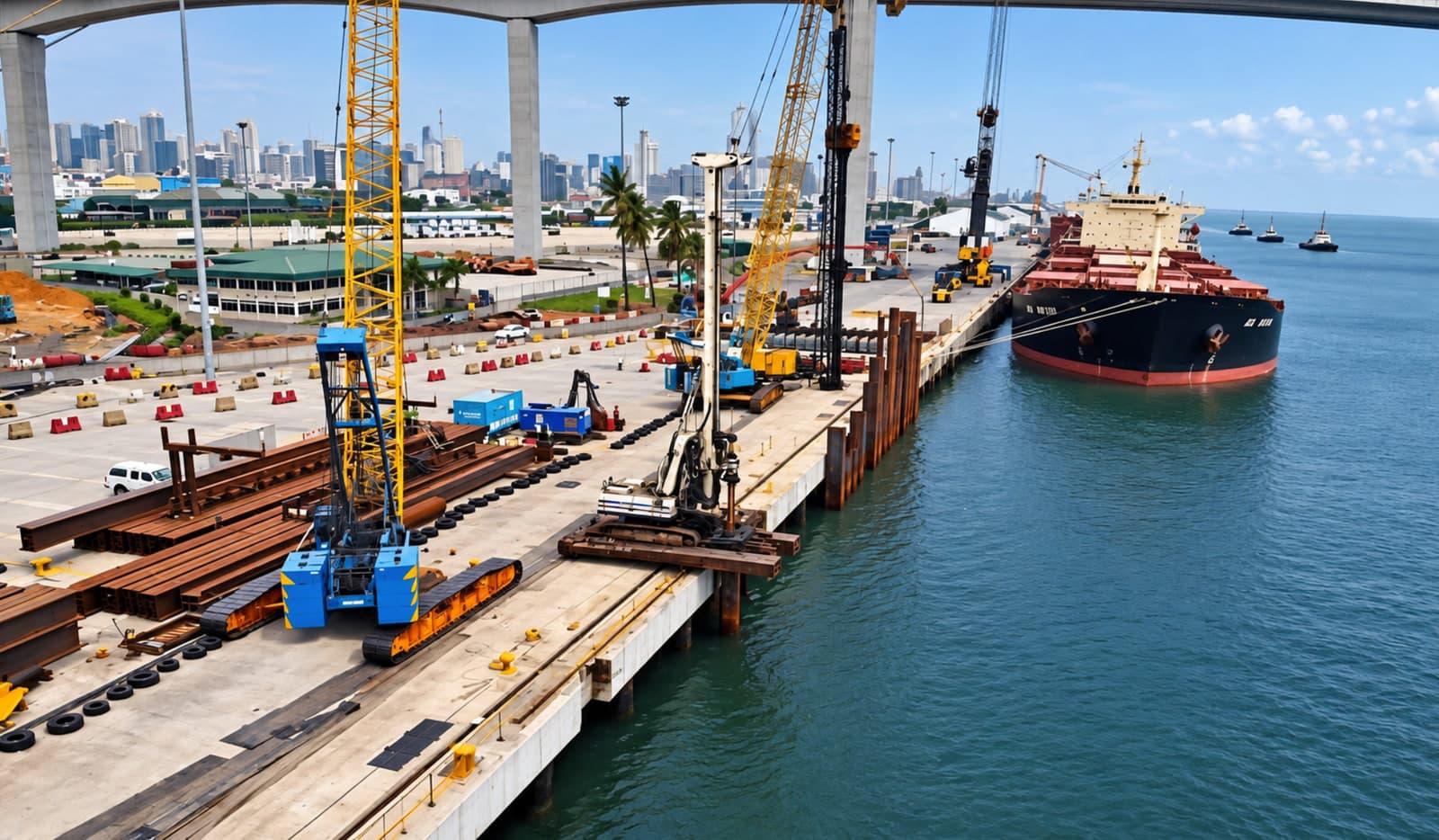
A South African company importing goods through Maputo has a simple calculation to make: will using the port save time or money compared with other routes? Maputo Port is spending $150 million on dredging work designed to allow larger ships into the harbour.
AI-generated summary. It can miss nuance — read the full story above for the complete picture.
A South African company importing goods through Maputo has a simple calculation to make: will using the port save time or money compared with other routes? Maputo Port is spending $150 million on dredging work designed to allow larger ships into the harbour. The project started on 19 October 2026 and is expected to take about 12 months.
The investment could make the port more attractive to shipping companies. For businesses in Mozambique, South Africa and Eswatini, that could affect where goods are shipped, how they are transported inland and which logistics companies handle them. But the extra business will not necessarily go to the companies closest to the port.
The work does not stop at the harbour
“The dredging may allow larger ships into Maputo, but regional businesses need more shipments not just a bigger harbour to win extra work.”
Once cargo arrives, someone has to clear it through customs, move it to a warehouse or load it onto a truck or train. Transport operators, freight forwarders and clearing agents all have a role to play. If more cargo starts moving through Maputo, these businesses could pick up additional work. Workshops maintaining trucks and cargo-handling equipment may also see more demand, along with suppliers of tyres, spare parts and fuel.
The question is how much more cargo the port will attract. The $150 million investment is for dredging; it does not tell us how many additional shipments will follow or how many new supplier contracts will become available.
Will South African companies use Maputo more often?
Maputo is one of the port options available to businesses in southern Africa. Whether it becomes a more attractive choice depends on the full cost of getting goods to their destination.
An exporter needs to consider shipping charges, road or rail transport, border delays and port handling fees. A route that looks shorter on a map may not be cheaper once all these costs are added. For trucking companies, more cargo could mean additional loads between the port and inland markets. Clearing agents may handle more shipments, while warehouses could be asked to store goods before delivery. Those opportunities depend on shipping lines and cargo owners actually sending more goods through Maputo. The dredging project alone does not guarantee that will happen.
Smaller suppliers need to find the buyers
A small transport business does not need to wait until the dredging is finished to find out where it might fit in. It can approach freight forwarders and logistics operators already working through Maputo and ask what services they need, which routes they cover and whether they expect volumes to change. A warehouse operator can do the same with importers and distributors before spending money on more space. A workshop could look for maintenance work from transport companies serving the port.
The important distinction is between a possible opportunity and a confirmed contract. Businesses should establish who will pay for the service and how much work is available before taking on additional costs.
What matters after the project
The dredging is expected to take about a year. After that, the useful measures will be cargo volumes, the number and size of ships using the port, and the cost of moving goods inland. If Maputo attracts more shipments, the effects could reach businesses well beyond the harbour. If cargo volumes remain much the same, the benefits for local transporters and suppliers may be limited.
For now, the project gives Maputo the prospect of handling larger ships. The commercial test will be whether shipping companies use that capacity and whether the businesses moving and servicing the cargo see enough additional work to make the investment matter.