No Free Lunch Podcast - Building Mobile Access in Non-Financed Markets
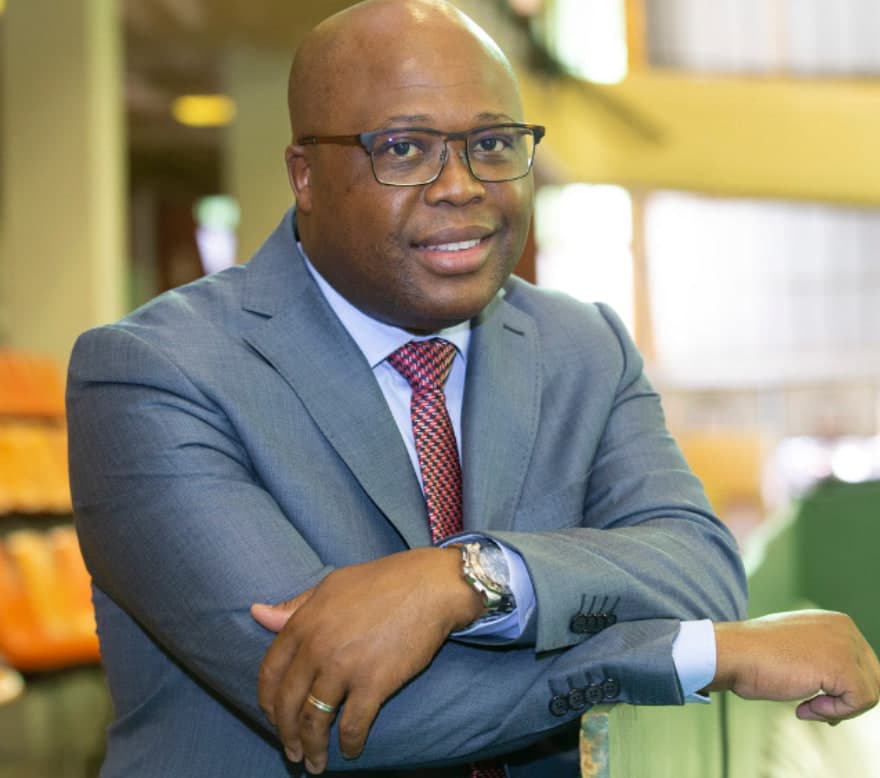
In this episode of No Free Lunch, Greg Stewart speaks with Tim Strike, co-founder and CEO of Mission Mobile, and Mick Silke, CEO of DNI, about building a business to widen access to smartphone financing in South Africa.

In this episode of No Free Lunch, Greg Stewart speaks with Tim Strike, co-founder and CEO of Mission Mobile, and Mick Silke, CEO of DNI, about building a business to widen access to smartphone financing in South Africa. They discuss how Mission Mobile grew out of an earlier fintech venture, why DNI became a partner, how the company assesses risk and reaches customers who are widely un-financed in the mobile phone retail space.
Watch The Podcast Here:
From Beam to Mission Mobile
Tim says, he and co-founder Adam Strike, first built Beam, a business that used technology to analyse bank-statement information and help credit providers and other companies understand customers. After operating for about 18 months, they pivoted from business-to-business services toward serving consumers directly. Handset financing became the focus. DNI appealed as a partner because it could provide debt funding for the costly handset assets and brought telecommunications expertise and industry connections. Greg notes that founders should look beyond capital to a partner’s network and experience.
Financial inclusion and market opportunity
Mick says Mission Mobile’s aims align with DNI’s focus on affordable connectivity and financial inclusion. Smartphones can help people, including those in the informal economy, access the internet and carry out more activities. Tim estimates that the handset-financing market is only about 20% penetrated, suggesting room to reach customers through a wider range of distribution partners.
Managing lending risk
Tim acknowledges that financing handsets carries risk. He argues that a phone is a productive asset, especially for gig workers who may rely on it to earn income, and says repayment behaviour can be better than with cash loans. Mission Mobile also draws on Beam’s customer-analysis technology, offers flexible repayment methods and uses device-management tools to secure the financed handset.
Distribution and DNI’s role
Mick describes distribution as both reaching customers and getting devices to them. Telcos and other partners can provide broad customer access. DNI supports the supply chain with its experience in importing, warehousing and working with major brands, as well as purchasing, packing and delivery. Greg points out that this infrastructure can help a startup avoid the cost and difficulty of building distribution on its own.
Growth plans
Tim says Mission Mobile’s near-term priorities are improving its products and customer experience, and expanding through retail, telecommunications partners and e-commerce. He notes that most South African sales volume is in physical stores, while online sales offer another opportunity. Expansion to other African markets remains a longer-term goal. Tim and Mick agree that the company should first build a strong, established business at home; Greg adds that expanding the product range locally could be another path to growth.