Mukuru wants a piece of the pie as major South African banks face new competition
Someone who uses Mukuru to send money to family in Zimbabwe, Malawi or Mozambique may soon have another reason to keep the service on their phone.
Mukuru
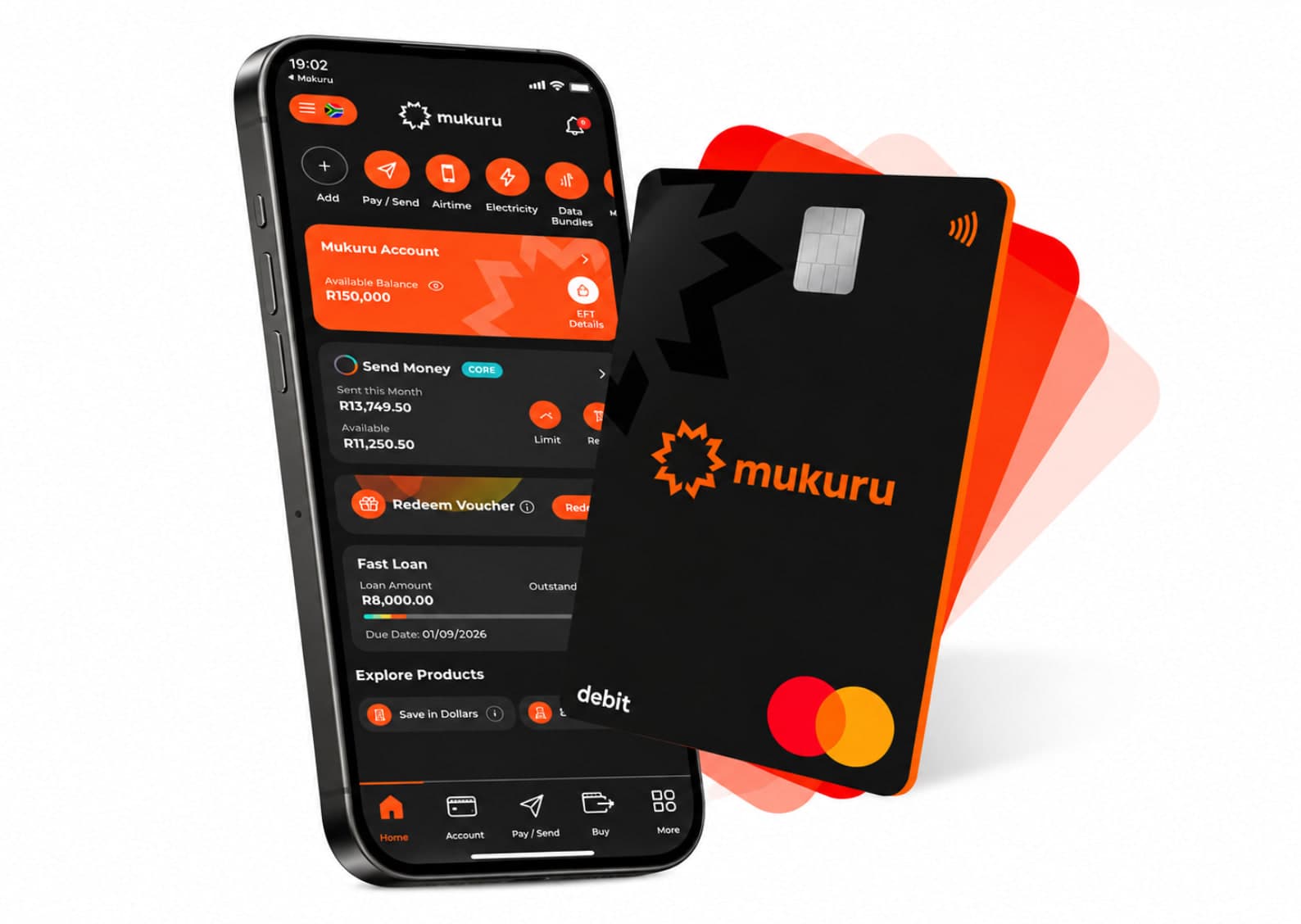
Someone who uses Mukuru to send money to family in Zimbabwe, Malawi or Mozambique may soon have another reason to keep the service on their phone. The company has introduced a new Account & Card product in South Africa, allowing customers to do more than send and receive money across borders.
AI-generated summary. It can miss nuance — read the full story above for the complete picture.
Someone who uses Mukuru to send money to family in Zimbabwe, Malawi or Mozambique may soon have another reason to keep the service on their phone. The company has introduced a new Account & Card product in South Africa, allowing customers to do more than send and receive money across borders. The offering gives customers access to an account and a Mastercard-enabled card that can be used for everyday financial transactions.
Customers can receive their salaries, make EFT payments, withdraw cash, shop online and pay for purchases in physical stores. They can also continue using the service to send money internationally. For Mukuru, this is a move into a part of the financial services market where it will be competing with banks and other digital payment providers for a bigger share of customers' daily spending.
From sending money to managing it
"Mukuru already has customers who trust it to move money across borders. The next challenge is getting them to trust it with their everyday banking."
Mukuru has built its business around people who need to send money to family members and friends in other countries. Cross-border payments remain an important part of its offering, particularly for communities with financial ties across southern Africa. But the same customers also have other financial needs. They receive salaries, pay rent, buy groceries, send money to relatives and make regular payments throughout the month.
Until now, customers who used Mukuru mainly for international transfers would generally need another account or payment service for these transactions. The new account gives the company an opportunity to bring more of those activities onto its platform. Someone receiving their salary, for example, could use the card to pay for shopping rather than transferring the money to another bank account first. Whether customers choose to do this regularly will depend on how the product works in practice.
Mukuru enters a crowded banking market
South African customers already have several choices when opening an account or looking for a cheaper way to manage their money. Capitec has built a large customer base around accessible banking, while TymeBank has used digital banking and retail partnerships to attract customers. FNB and other established banks also offer accounts with card payments, EFTs and digital services.
Mukuru will therefore need to give customers a reason to add another account to their financial arrangements, or consider using it as their main account. Its existing remittance customers could provide a useful starting point. These are people who already know the brand and use its services to move money between countries. The challenge is getting them to see the account as something they need every day, rather than a service they only open when they want to send money home.
What will customers pay?
The cost of using the account could have a big influence on whether people adopt it. Customers comparing banking products will want to know what they pay for cash withdrawals, card transactions, EFT payments and other services. They will also want clarity on any monthly account fees and charges that may apply. For someone earning a modest salary, even a few additional charges can make a difference over the course of a month. Access to cash will also matter. Not every customer relies entirely on card payments, and many still need to withdraw money for taxis, informal traders and other everyday expenses.
The availability of customer support is another consideration. Customers need to know where to turn when a card is lost, a payment fails or money does not arrive in their account. These are ordinary banking concerns, but they will determine whether Mukuru's new offering becomes part of people's daily routines.
A bigger opportunity for Mukuru
The company has an advantage in the relationships it has already built with customers who regularly send and receive money across borders. It can use that existing customer base to introduce services that go beyond remittances. The account and card could also help Mukuru generate more activity from customers who currently use the platform only occasionally.
However, competing in everyday banking requires more than giving customers a card. It means offering a service they can rely on when their salary arrives, when they need to pay for something or when they want access to their money. Mukuru is trying to move from being a place people visit when they need to send money home to one they use throughout the month. That is a significant change in its business. The question is whether customers will find enough value in the new account to make that switch.