Nigerian startup Pullus secures debt funding for poultry farmers – what does it mean for small businesses?
Small poultry farmers often have to find money for feed, medication and other production costs long before they can sell their birds. Finding a buyer is another challenge.
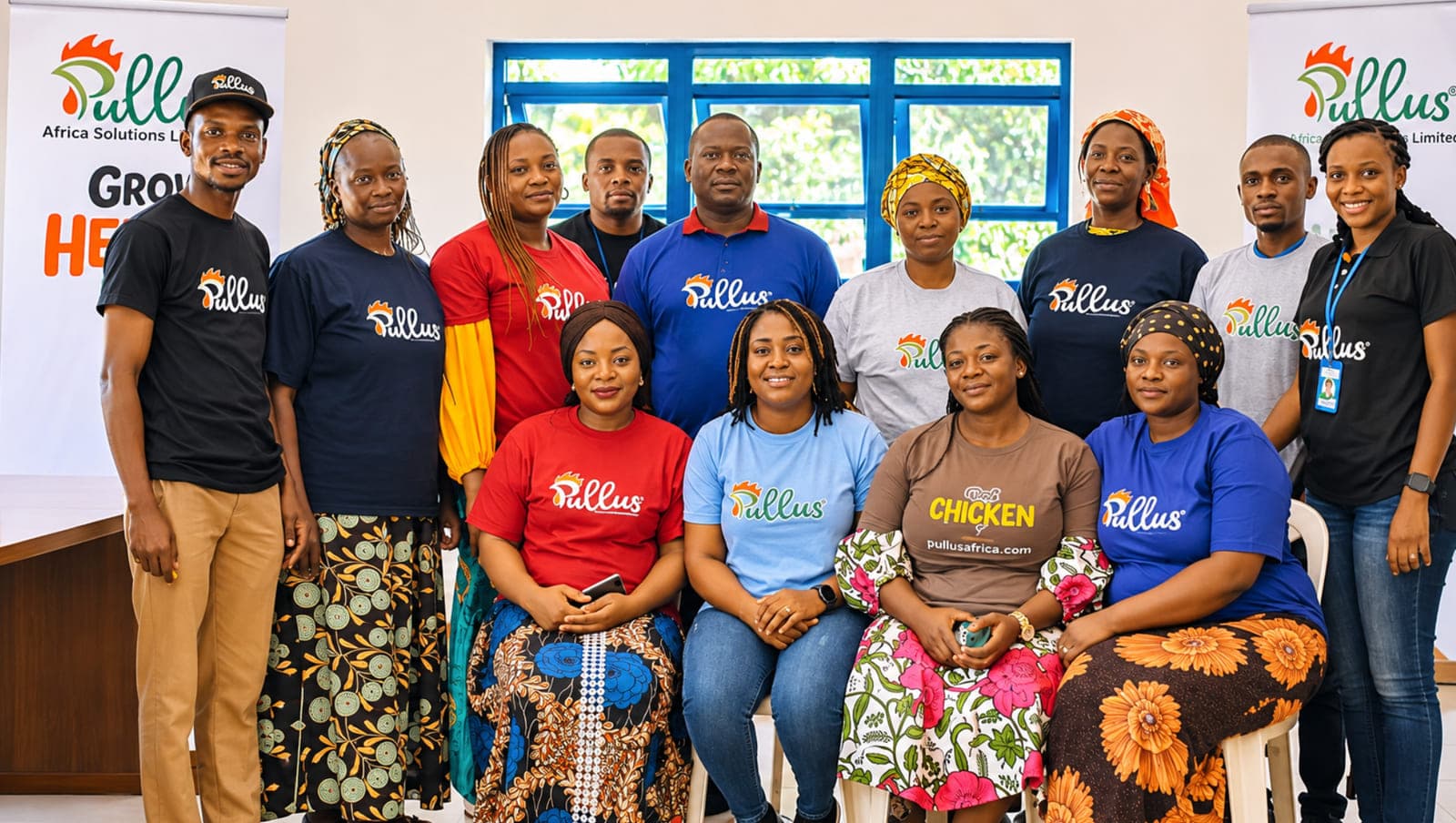
Pullus
Small poultry farmers often have to find money for feed, medication and other production costs long before they can sell their birds. Finding a buyer is another challenge.
AI-generated summary. It can miss nuance — read the full story above for the complete picture.
Small poultry farmers often have to find money for feed, medication and other production costs long before they can sell their birds. Finding a buyer is another challenge. Nigerian agritech startup Pullus Africa is trying to address some of these problems through its poultry buying business, and its latest debt financing will help it fund more purchases from farmers.
The company buys poultry from small-scale farmers and sells it to buyers. It has also invested in its own cold storage facility, allowing it to hold stock rather than selling everything immediately. However, this arrangement requires money. Pullus has to pay farmers when they deliver their birds, even if the company has not yet sold the poultry. Storage and handling costs also have to be covered. The company has now secured its first debt financing to support poultry purchases and working capital. It has not disclosed the amount raised or the identity of the lender.
For small poultry businesses, the development raises an important question: could a better-funded buyer create more opportunities for farmers who struggle to find reliable markets for their produce?
"A farmer may have the space and skills to raise more birds but still be unable to expand without money for feed and a dependable market."
A buyer for farmers who struggle to reach the market
Pullus says it works with more than 25,000 farmers across Nigeria. Its services include training, access to farming inputs and connections to buyers. In 2025, the company purchased poultry from approximately 900 farmers, around 70% of whom were women. According to Pullus, farmers earned an average of $615 each from poultry sales to the company during the year.
For a small farmer, finding someone willing to buy poultry in reasonable quantities can be difficult. Selling directly to individual customers also takes time and may not provide a reliable outlet for larger volumes. Pullus gives farmers another route to market by purchasing their birds and handling the sale to other buyers. The company's ability to keep buying poultry matters to these farmers. If it has limited cash available, it may have to slow down purchases, even when farmers are ready to supply more birds.
Why working capital matters in poultry farming
Poultry farming involves regular expenses. Farmers need to buy feed, medication and other supplies throughout the production cycle. Small operators may not have enough savings to cover these costs, particularly when they are running several batches of birds.
Pullus has introduced input financing for farmers who have completed several production cycles with the company. So far, it has provided this support to 380 farmers and reports a repayment rate of more than 99%. This allows participating farmers to access money for production inputs without having to fund every expense from their own pockets. The company also benefits from having farmers who can continue producing and supplying poultry.
Cold storage gives the company more control over sales
Pullus has invested in its own cold storage facility to manage the poultry it purchases. Without storage, a buyer may have to sell birds quickly to avoid losing stock. Having storage gives the company more time to organise sales and negotiate with customers.
But it is not a cheap part of the operation. The company must pay for storage, handling and other expenses while the poultry remains unsold. There is also a cash-flow gap. Farmers have already received payment, but Pullus may still be waiting for buyers to settle their accounts. This explains why the company needs additional working capital. It has to keep purchasing from farmers while managing stock that has not yet generated revenue.
What could the funding mean for small poultry businesses?
The immediate benefit will be felt in Pullus' purchasing operation. Having more money available could help the company continue buying poultry from its farmer network without depending entirely on income from previous sales. For small businesses supplying the company, consistent purchases could mean more opportunities to sell their birds. There may also be opportunities for businesses involved in feed supply, transport, veterinary services and poultry handling if Pullus increases the amount of poultry moving through its network.
However, the funding does not automatically mean that every farmer will receive more orders or better prices. That will depend on how much money was raised, how it is used and whether Pullus can find enough buyers for the additional poultry it purchases. Small farmers will also need to meet the company's purchasing requirements and maintain production standards.
Debt funding brings its own responsibilities
Pullus has previously received backing from organisations including Acumen, elea, Livelihood Impact Fund and Mulago. Its latest financing is different because it is debt rather than equity. The company receives money that must be repaid under agreed conditions, rather than giving an investor another share of the business.
The amount, interest rate and repayment period have not been disclosed. For Pullus, the money needs to support a business that has ongoing expenses. It must pay farmers, manage storage, sell its stock and collect payments from customers. If poultry takes longer to sell or buyers delay payments, the company could face pressure on its cash flow while still having to meet its debt repayments. That makes the way it manages purchases and sales just as important as the amount of funding it receives.
Can small poultry businesses benefit?
Pullus' financing is directed at the company's own operations, not a direct cash grant to every farmer in its network. But its purchasing activity has a direct link to the farmers supplying it. If the company can buy more poultry and maintain regular orders, small producers could have more opportunities to sell their birds.
For small poultry businesses, access to buyers and money for production remain closely connected. A farmer may have the space and skills to raise more birds but still be unable to expand without money for feed and a dependable market. Pullus is working on both sides of that problem through its purchasing network and input financing. Whether this reaches more farmers will depend on how the company uses its new funding, how many buyers it can serve and whether its poultry business can maintain regular payments to suppliers.