MG eTerron 9 brings an electric option to the work bakkie market
A construction company might use the same vehicle to carry tools, drive across a building site, travel between towns and tow a trailer. It needs to do that without spending half the day looking for a charger.
MG eTerron
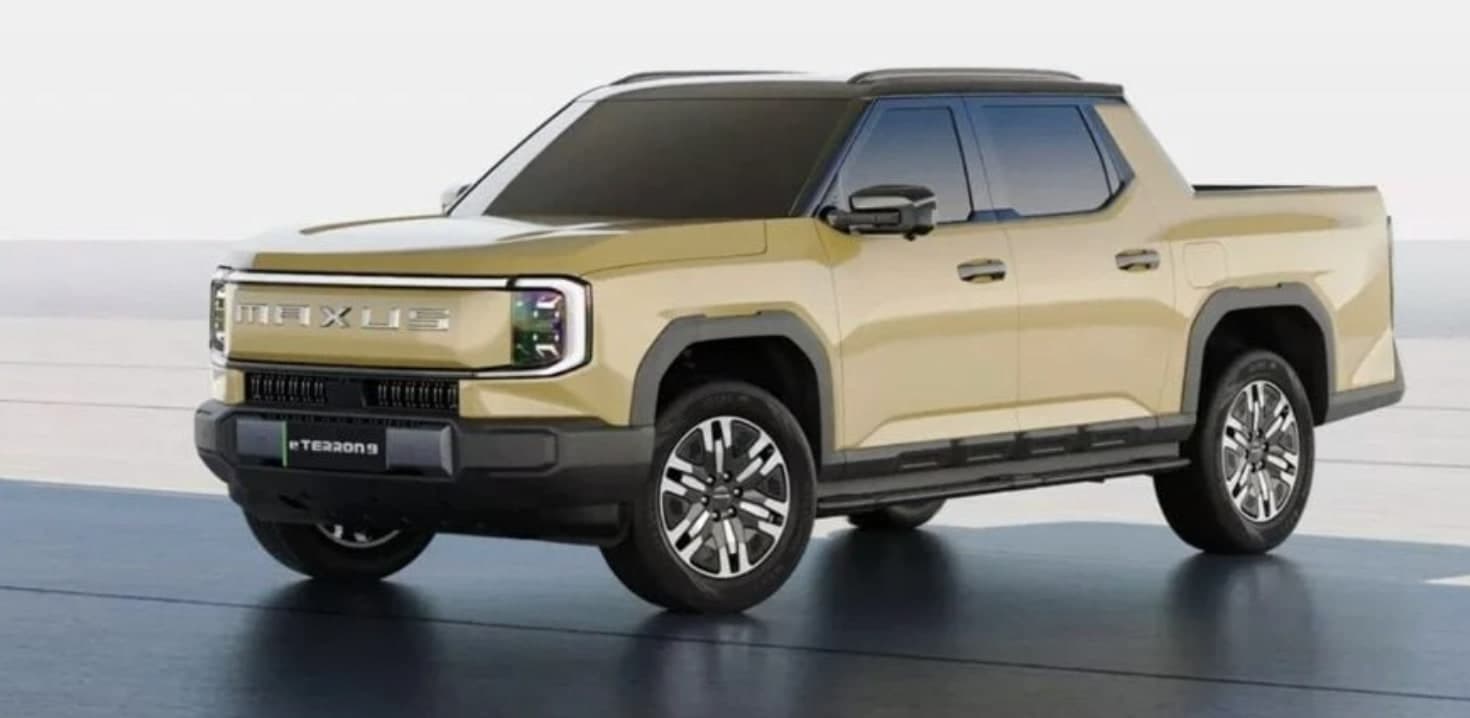
The electric bakkie has a harder job than the electric family car. A construction company might use the same vehicle to carry tools, drive across a building site, travel between towns and tow a trailer. It needs to do that without spending half the day looking for a charger. That is the market MG is targeting with the eTerron 9, an electric 4x4 pickup with a claimed 430km WLTP range and 3,500kg towing capacity. For a business, those figures are useful, but they need some context.
AI-generated summary. It can miss nuance — read the full story above for the complete picture.
The electric bakkie has a harder job than the electric family car. A construction company might use the same vehicle to carry tools, drive across a building site, travel between towns and tow a trailer. It needs to do that without spending half the day looking for a charger. That is the market MG is targeting with the eTerron 9, an electric 4x4 pickup with a claimed 430km WLTP range and 3,500kg towing capacity. For a business, those figures are useful, but they need some context.
How far will it actually go?
The 430km figure comes from the WLTP testing cycle. It is not a guarantee that a contractor will get 430km from a full battery during a normal working day. Load, speed, terrain, weather and towing can all affect consumption. That matters more with a commercial vehicle because the work it is doing can change from one day to the next.
For a work bakkie, the real question is whether it can handle a full day on site without changing the way the job gets done.
A pickup travelling between construction sites on tar roads is going to have a different energy requirement from one carrying equipment across rough ground and pulling a trailer. Fleet operators will therefore need to work from their own routes rather than the brochure figure.
Towing is where things get interesting
The eTerron 9 can tow up to 3,500kg. That puts it in the same conversation as conventional work bakkies for companies that need to move trailers, equipment or materials. But towing also puts more pressure on the battery.
A company that regularly tows heavy loads over long distances will need to plan charging stops more carefully than one using the vehicle mainly for local work. This could make the vehicle more practical for businesses where the bakkie returns to a depot at the end of the day.
The charging question
This is probably one of the first questions a fleet manager would need to answer. Where will the bakkie charge? A contractor with a yard where vehicles return every evening could install chargers and build charging into the normal fleet routine.
A company sending vehicles to remote construction, mining or agricultural sites has a more difficult setup. Public charging can help, but relying on public chargers for a working commercial fleet also means considering where those chargers are, how long charging takes and whether they are available when needed.
What happens to operating costs?
Electricity can cost less than diesel on a per-kilometre basis, depending on where and when the vehicle is charged. There are also fewer mechanical components in an electric drivetrain, which can affect servicing requirements. But that does not mean an electric bakkie automatically costs less to run.
The calculation has to include the vehicle's purchase or finance cost, charging equipment, electricity, insurance, tyres, servicing and battery-related considerations.
For a business running several vehicles, those numbers need to be compared with its existing diesel fleet.
Not every fleet will suit it
The eTerron 9 makes more sense for some businesses than others. A contractor running predictable routes from a central depot has more control over charging. An operator working in remote areas, covering long distances or towing heavy loads every day has less room for error.
That is not unique to the eTerron 9. It is one of the practical issues facing electric pickups generally. The vehicle has the basic ingredients commercial buyers will look for: 4x4, a substantial towing rating and a sizeable claimed range.
The real test will come from how those numbers hold up when the vehicle is being used as a work bakkie rather than driven around empty. For South African fleet operators, that is where the decision will be made not on the electric badge, but on whether the vehicle can finish a working day and get back to base without disrupting the job.